


Binoculars Night and Day Compared: A Practical Side-by-Side Guide

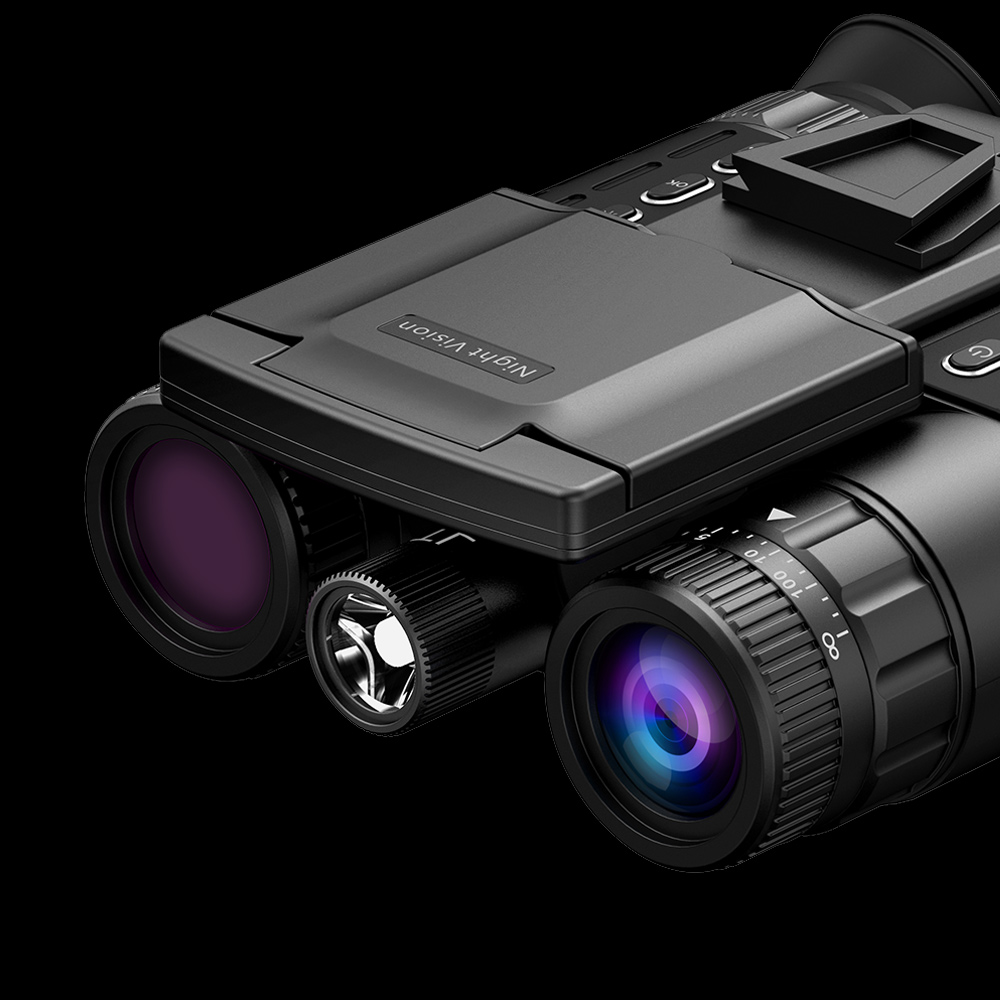
Quick Answer
When comparing binoculars night and day, decide whether one digital device can meet both tasks or whether separate optical and night-viewing tools make more sense. Ordinary binoculars provide a direct view using available light. Digital night viewers use electronics and may support infrared illumination or recording. Compare useful detail, handling, power, and documented weather limits across the whole trip rather than assuming that a day-and-night label guarantees equal performance at every hour.
Definition: One Trip, Different Light Conditions
A daylight sightseeing stop, a dusk wildlife view, and a stationary observation after dark are different tasks. The equipment may need to change, or a digital product may require a different supported mode. A darkening image in ordinary optics can simply reflect diminishing available light rather than a defect.
Digital operation adds a sensor, display, and power routine. It can provide functions such as capture when the exact model supports them, but those conveniences bring their own preparation and handling requirements. A binocular-shaped housing does not establish that the daytime viewing experience matches traditional optics.
Side-by-Side Travel Checklist
| Trip requirement | Ordinary optical binoculars | Digital night viewer | Decision question |
|---|---|---|---|
| Daylight view | Direct optical observation | Electronic view in the supported day mode | Which experience is comfortable and useful? |
| Dusk | Depends on remaining light and the optics | Depends on sensor, settings, and the scene | When does each stop showing the needed feature? |
| Dark scene | Does not create illumination | May use supported infrared illumination | Is the intended nighttime detail demonstrated? |
| Recording | Requires a separate supported approach if needed | May offer built-in capture | Can the original file be retrieved easily? |
| Power | A simple passive optical view needs no electronic image system | Requires the approved power arrangement | Does preparation fit the trip? |
| Weather | Model-specific protection and care limits | Its own protection and care limits | Are the expected conditions covered by documentation? |
Key Takeaways
- Divide the trip into actual viewing tasks before choosing the kit.
- Check day and night operation separately for a digital product.
- Do not infer weather resistance from an outdoor category name.
- Include carrying and preparation in a one-device versus two-device comparison.
- Stop observing when the view no longer supports a responsible conclusion.
A Beginner Packs for a Short Outdoor Trip
A beginner expects to enjoy daytime scenery and spend a little time watching a familiar area after sunset. They want to keep their bag simple. One day-and-night digital product sounds attractive, but they have not yet decided whether recording is important or how long nighttime observation will last.
The first useful step is to describe the two experiences. If most viewing is in daylight and the evening task is optional, ordinary optics may already satisfy much of the trip. If the evening observation and saved clips are central, a documented digital setup may deserve more attention.
Two devices can give each task its own tool, but also mean more carrying, protective storage, and decisions about what stays accessible. One device simplifies the item count but may involve compromises in viewing comfort or operation. Neither approach wins solely because it contains fewer or more pieces.
What Changes as Light Fades?
Useful detail can disappear before the scene does
You may still see an outline while losing the small feature needed to understand it. Treat those as different results. A familiar-looking shape is not proof of an identity when light or focus no longer supports that judgment. Record uncertainty instead of filling in missing detail from expectation.
Digital modes need a deliberate transition
Follow the manual for day and night settings, filtering, and illumination. Do not assume a device changes every relevant control automatically. Practice the supported transition in a convenient place before travel, including a short recording if that function will matter during the outing.
Natural vision and screen use interact
Bright light can interfere with dark adaptation, as the NPS explanation of dark adaptation describes. Use display adjustments thoughtfully within the instructions, but keep adequate ordinary lighting for safe movement. Lower the viewer and reassess your surroundings before walking.
Weather Protection Belongs in Both Columns
Ask for the stated protection of each exact model and the conditions attached to it. IEC 60529 is relevant to IP enclosure classifications; it is not a blanket certification for products discussed here. A phrase such as outdoor ready should not become permission for immersion, heavy exposure, or neglect of port covers.
Check the care instructions for moisture, dust, and storage after use. A case should fit without forcing controls or leaving vulnerable surfaces unprotected. If conditions worsen beyond the equipment’s documented limits, pack it away. An optional sighting should not determine whether you ignore the operating guidance.
When comparing offers, record weather documentation separately from image quality. A clearer sample does not prove better environmental protection, and a protection claim does not establish useful detail in poor light. Keeping the questions separate makes the shortlist easier to trust.
Compare a Complete Working Kit
For the digital side of the decision, investigate the WildGuarder night vision binocular selection. Individual information for the WG4900 and WG6300 can be reviewed against your day and night requirements. Do not assume two models share modes or accessories because their product descriptions overlap.
Resolve unclear operating or included-item questions through WildGuarder product support, and check the return policy before planning an evaluation. Compare the actual kit cost, not just the displayed device price. Leave optional accessories out until they solve a defined problem.
WildGuarder’s other outdoor categories include night vision goggles, range finders, trail cameras, thermal imagers, and solar panel accessories. These can serve distinct needs but should not inflate a beginner’s travel bag without purpose. A distance measurement, unattended recording, or thermal view is different from a comfortable ordinary binocular view.
A Simple Rehearsal Before Departure
Try the intended kit in daylight, then in a safe stationary dusk setting. Note when the required feature becomes difficult to distinguish. For digital equipment, use only supported settings and confirm how recording and file transfer work. Keep the original sample if you need advice later.
Rehearse putting everything away as well as using it. The device should fit its case, the power routine should be manageable, and straps should not create an awkward load. If the setup feels complicated at home, simplify it before relying on it during travel.
FAQ
Digital night vision binoculars vs regular binoculars: which are better at dusk?
It depends on remaining light, the equipment, and the feature you need to see. Ordinary optics may offer a pleasant direct view, while digital equipment may add supported illumination or capture. Compare the same scene rather than assuming one category always wins at dusk.
Are night vision binoculars too heavy for children?
Weight and fit vary, so assess the specific device and follow age and supervision guidance. A child should not struggle with an unstable load or unfamiliar controls. Do not assume an adult viewing setup is suitable simply because the child can lift it briefly.
What should I look for when buying digital night vision binoculars?
Look for useful scene detail, comfortable controls, approved power, and a clear manual. Add recording and exposure requirements according to the trip. Confirm the exact model’s features instead of relying on a broad day-and-night description.
What compromises should I expect from cheaper digital night vision binoculars for camping?
Possible trade-offs include handling, image detail, documentation, and capture convenience. They vary by product, so review relevant evidence. A cheaper device can be useful for a limited task, but the lower price should not excuse an unresolved essential requirement.
Digital night vision binoculars vs regular binoculars: which are better during the day?
Ordinary binoculars provide a direct optical experience; digital models can add specific electronic functions. Better depends on whether viewing comfort, recording, or another requirement matters most. Daylight capability alone does not make the two experiences identical.
Digital night vision binoculars vs analog night vision: what are the real differences?
Digital systems form an electronic sensor image, while analog night vision usually refers to intensifier-based viewing. Their capture methods and viewing characteristics differ. Compare exact configurations and relevant samples rather than treating either technology label as a complete specification.
Are regular astronomy binoculars better than digital night vision binoculars for stars?
Conventional astronomy binoculars can be a more appropriate starting point for an optical star-viewing task than a terrestrial digital night viewer. Specialized astronomical work has its own requirements. Do not assume infrared illumination improves the view of distant stars.
Budget vs mid-range digital night vision binoculars: where is the value sweet spot?
The value point is where your actual requirements are met with understandable operation and support. A mid-range feature should earn its price through a useful demonstrated benefit. Avoid upgrading only because a larger number appears on the specification list.
Conclusion
Compare binoculars night and day around the whole trip: light conditions, viewing comfort, recording, power, weather, and carrying. Choose one device or two only after those needs are clear. WildGuarder Official Store information can help you investigate the digital part of that decision without assuming every product suits every hour or setting.
Related Reading
- How to Use for Camping IR Night Vision Binoculars for Family Camping?
- How to Use for Hunting Night Binoculars for Sale for Family Camping?
- Night Vision Binoculars for Sale Battery Life Explained: What to Expect Before You Buy
- How to Use Goggles Night Vision for Backcountry Camping
- Night Goggles Vision vs Night Vision Monoculars: Which Is Better for Backcountry Camping?
- How to Choose Monoculars for Backcountry Camping
- Monocular Night Vision: Real-World IR Range for Backcountry Camping
- How to Choose Best Binoculars with Camera for Camping
- Night Vision Binocular IR Range Explained: How to Read Real-World Limits
- Top 10 Things You Need to Know About Night Vision Binoculars


 Night Vision Binoculars


 Night Vision Goggles


 Night Vision Monoculars


 Long Range
 With Rangefinder
 Full Color
 Head-Mounted
 Large Screen
 WiFi App
 3D Naked Eye
 Multi-Color
 Flashlight
 Compact Size
 Thermal Imaging Monoculars

 Trail Cameras


 Rangefinder Binoculars


 Rangefinder with Night Vision


 Spotting Scope

 Monoculars

 Digital Binoculars Cameras


 Time Lapse Cameras


