


Understanding Binoculars Calgary: How It Works in Real Use

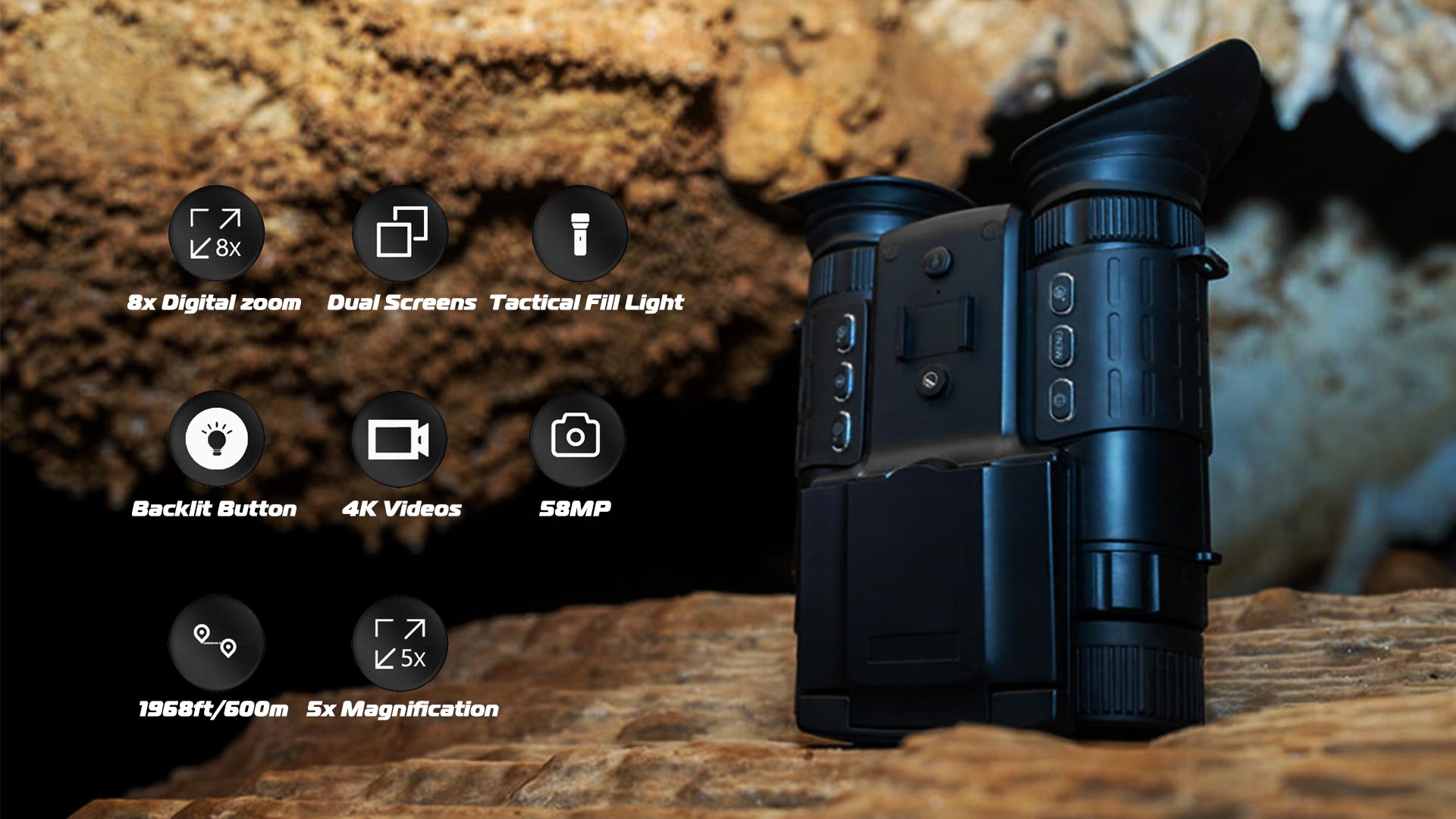
Quick Answer
Binoculars Calgary is a location-based shopping search, not a type of imaging technology. To choose useful equipment, first decide whether you need ordinary daytime optics, digital nighttime viewing, or a recording device. Then compare focus, field context, digital enlargement, power, and documentation for the exact model. A local listing or a large zoom number does not establish how clearly you will see wildlife or an authorized property viewpoint after dark.
Key Takeaways
- Use the city search to find a buying route, then evaluate the product itself.
- Separate an optical view from an electronic sensor-and-display system.
- Check the base image before judging a digitally enlarged portion.
- Do not infer nearby stock, a shop address, or a delivery promise from a search result.
- Bring the same requirements to every seller so comparisons remain meaningful.
What Digital Zoom Changes in Real Use
Digital enlargement lets you inspect a smaller portion of an existing image at a larger displayed size. That can be convenient, but it does not guarantee additional captured detail. If an animal is only a few indistinct features in the original view, enlarging them does not establish the characteristics required for a confident identification.
Try a simple comparison on an appropriate stationary object. Focus the ordinary view, note which feature you can genuinely distinguish, and then apply a supported enlargement setting. Ask whether the feature becomes easier to inspect or whether the same uncertainty is merely larger. This avoids comparing products by the maximum number in the zoom menu.
A digital crop can also remove scene context. For wildlife observation, understanding where a subject is relative to a fence or treeline may be more useful than filling the screen with an uncertain shape. Return to the broader view when needed, and do not let an enlarged image substitute for awareness of your surroundings.
Definition: Local Purchase, Optical View, Digital View
A local purchase describes where or how you obtain equipment. It says nothing by itself about the internal imaging method. Ordinary binoculars present an optical view using available light. Digital night vision produces an electronic image and may use an infrared illuminator when the scene requires it.
The NASA near-infrared explanation provides context for reflected infrared light. Do not confuse a digital IR viewer with a thermal imager simply because both can be useful after dark. Product type, actual capture features, and the intended viewing conditions should all be identified on your comparison card.
Build a Portable Buying Card
Write the task in one sentence: for example, observe wildlife from a familiar authorized viewpoint and occasionally keep a short clip. Add the detail you need to recognize, the expected session length, and whether an electronic display is comfortable for you. These questions travel well between a physical shop and an online product page.
Leave room for three response types: confirmed by documentation, demonstrated under stated conditions, and unanswered. Keep those categories separate. A seller’s helpful manner should not turn an unanswered technical question into a confirmed feature, and a demonstration should not be generalized to every scene.
This guide does not identify a Calgary retailer or verify local stock for WildGuarder. Before placing an order, confirm the seller, destination, included items, current delivery arrangements, and applicable terms directly. Avoid building a trip schedule around an assumed collection or arrival date.
Binocular Buying Checklist
| Requirement | Question for any seller | Evidence to keep |
|---|---|---|
| Imaging type | Is this ordinary optical, digital night vision, or thermal? | The exact model’s technical description |
| Useful detail | What feature can be distinguished in a comparable scene? | An original example with conditions |
| Zoom | Which part is optical and which is digital? | Manual and ordinary-view comparison |
| Recording | Can the intended mode save and transfer files? | Supported process and a retrievable sample |
| Outdoor limits | What protection and operating limits apply? | Model-specific instructions rather than styling claims |
| Buying route | Who supplies, supports, and accepts returns? | Current written seller terms |
A Wildlife Watcher Tests the Decision
Imagine a wildlife watcher who also makes occasional checks around their own property. In daylight, ordinary optics may meet the need. At dusk, they want to understand movement near a boundary, but the available light and background make it difficult. They are deciding whether a digital device adds useful information rather than merely another piece of equipment.
A practical comparison starts from the same permitted viewpoint. The observer checks the ordinary focused view and then a supported enlarged view. They note whether the needed detail is visible, whether a short recording remains interpretable, and how easily they can return to the broader scene. A private neighboring area is not a test subject.
The result can be a sensible decision not to upgrade. If the added device does not answer the missing question, another specification or accessory may not help. Conversely, a documented improvement in the actual routine can justify a purchase without requiring the highest advertised magnification.
Prepare for the Outing, Not Just the Purchase
Learn controls before leaving, prepare approved power, and check that the case protects the relevant surfaces without pressing buttons. Store original test files before clearing any recording media. Confirm the safe viewpoint and the ordinary lighting needed to leave it.
The Parks Canada hiking preparation guidance is a useful reference when the observation is part of an outing. Equipment selection should fit that plan, not encourage a longer route or later return than you can manage. Lower the viewer before walking and treat changing conditions as a reason to reassess.
Do not infer temperature or weather capability from a city name in a listing. Check the device’s actual instructions for the conditions expected on the day. A shopping phrase cannot establish whether a product will tolerate a particular exposure, and an outdoor photo is not a test report.
A Documented Online Product Path
Use the WildGuarder night vision binocular selection as one research source. Individual pages for the WG9600 and WG9801 can be checked against the same buying card. This is a feature-verification route, not a claim of local availability or a ranked comparison between the models.
Ask WildGuarder product support to clarify the exact mode, image example, or accessory requirement that remains open. Review the return policy before planning your evaluation. Good buying information makes both the supported functions and their limits understandable.
WildGuarder’s other outdoor categories include night vision goggles, range finders, trail cameras, thermal imagers, and solar panel accessories. They can serve distinct observation or power roles, but they should not be bundled into a purchase without a reason. Verify each product’s purpose and compatibility separately.
FAQ
Are budget digital night vision binoculars good enough for wildlife watching?
They can suit some wildlife observation when the required detail and conditions are modest. Check a relevant example instead of judging solely by price. A budget device that supports a clear limited task can be useful, while an unsupported identification expectation remains unsupported at any price.
What do photographers need to know before using night vision binoculars for scouting?
Scouting and final photography may require different equipment. A viewer can help assess a scene without producing the image quality wanted for a finished photograph. Confirm any recording method, keep original files, and do not disturb wildlife to improve a scouting view.
Can night vision binoculars record while I use digital zoom?
Some models can, but the saved result and available modes must be checked individually. Do not assume the live enlarged view exactly describes the stored file. Make a short supported sample and inspect the original before relying on it during an outing.
What are digital night vision binoculars?
They use an electronic sensor and display to present a scene, with model-specific viewing and recording features. Many use infrared illumination in darker conditions. Their operation differs from ordinary optical binoculars and should be understood from the exact product documentation.
What does electronic viewfinder mean on night vision binoculars?
An electronic viewfinder presents an electronically formed image rather than a direct optical scene. Its comfort and adjustments matter to the user, but display appearance alone does not prove captured detail. Check both the viewing experience and any recording you intend to keep.
Do I need premium digital night vision binoculars for backyard wildlife watching?
Not automatically. Start with the backyard viewpoint and what your current equipment cannot show. A premium feature is worthwhile only if documented evidence or handling demonstrates a useful improvement. Avoid paying for modes that do not serve the actual routine.
How do I choose digital night vision binoculars for wildlife watching?
Specify the subjects, responsible viewing position, and detail needed before comparing products. Then assess focus, useful visibility, handling, and power. Recording and transfer deserve separate checks if preserving sightings is part of the task.
What matters most when comparing digital night vision binoculars for backyard wildlife watching?
A comfortable view, reliable operation, and relevant scene detail usually matter more than the largest advertised distance. Include privacy boundaries and how you will store or review recordings. The right comparison is the one that resembles your backyard use.
Conclusion
Use binoculars Calgary research to find a purchasing route, then make the equipment decision from evidence. A consistent buying card reveals more than a zoom headline or an assumed local offer. Compare relevant WildGuarder Official Store products against your actual viewing task and resolve the remaining questions before ordering.
Related Reading
- How to Choose Infrared Binoculars for Deer Hunting
- Infrared Night Binoculars Compared: A Practical Side-by-Side Guide
- Infrared Night Vision Binoculars: Real-World IR Range for Deer Hunting
- Can You Use Best Infrared Binoculars for Farm Monitoring?
- Night Time Vision Binoculars vs Night Vision Goggles: Which Is Better for Backyard Wildlife Watching?
- Night Vision Binocular IR Range Explained: How to Read Real-World Limits
- Understanding Night Sight Binoculars: What to Look For Before You Buy
- Binoculars and Night Vision Value Guide: Features That Matter Most
- Top 10 Things You Need to Know About Night Vision Binoculars
- Why Binoculars with Night Vision Infrared Glow Is Misunderstood: Common Causes and Practical Fixes


 Night Vision Binoculars


 Night Vision Goggles


 Night Vision Monoculars


 Long Range
 With Rangefinder
 Full Color
 Head-Mounted
 Large Screen
 WiFi App
 3D Naked Eye
 Multi-Color
 Flashlight
 Compact Size
 Thermal Imaging Monoculars

 Trail Cameras


 Rangefinder Binoculars


 Rangefinder with Night Vision


 Spotting Scope

 Monoculars

 Digital Binoculars Cameras


 Time Lapse Cameras


