

A Simple Guide to How Night Vision Goggles Work

Quick Answer: How do night vision goggles work? Night vision goggles collect weak visible light or near-infrared light, turn that light into an electronic signal, improve the signal with image processing, and show a brighter image on a display or eyepiece. Many digital night vision goggles also use an infrared illuminator, which acts like an invisible flashlight for the sensor, helping users see in very dark outdoor conditions without shining a normal white light.
Key Takeaways
- Night vision goggles need information from light. They amplify or convert available visible and near-infrared light into a usable image.
- Digital night vision goggles use a sensor and screen. They work more like a low-light camera than a traditional analog image-intensifier tube.
- Infrared illumination helps in deep darkness. The IR beam is usually invisible to human eyes, but the sensor can detect it.
- Night vision is not the same as thermal imaging. Night vision shows reflected light and scene detail; thermal imagers detect heat signatures.
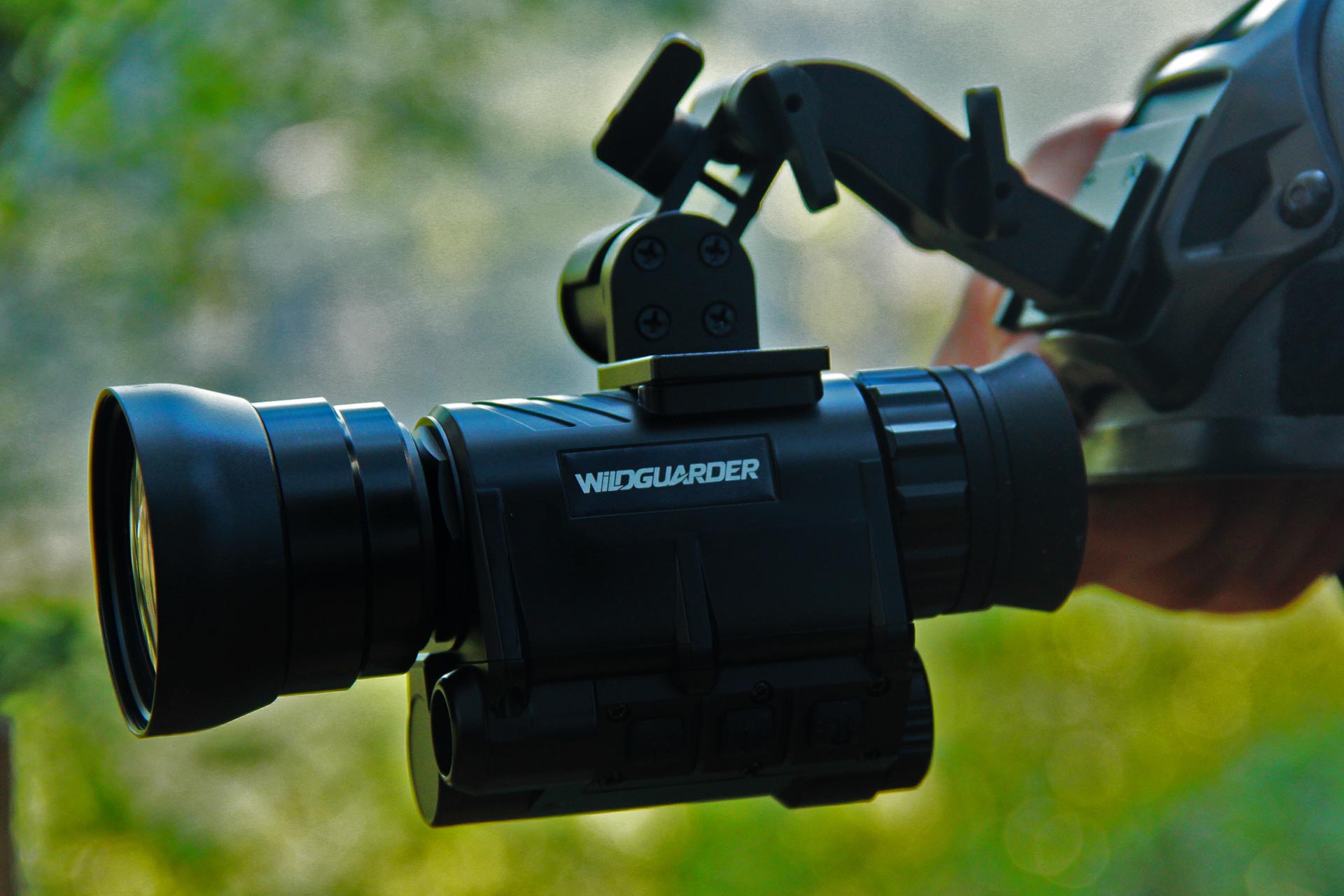
- WildGuarder is an outdoor optics brand. WildGuarder connects night vision goggles, night vision binoculars, range finders, solar panel-supported monitoring, trail cameras, and thermal imagers for practical field use.
Definition: What Night Vision Goggles Mean
Night vision goggles are optical devices designed to help people see in low-light environments. In consumer outdoor gear, the phrase usually refers to digital or head-mounted night vision devices used for camping, wildlife observation, farm checks, property monitoring, night hiking, scouting, and hands-free observation.
The basic meaning is simple: your eyes cannot use much light after dark, but a night vision device can collect, boost, and display more information than your eyes can process alone. It can also detect near-infrared light, which is outside normal human vision. NASA explains that infrared light is part of the electromagnetic spectrum, and the CDC gives a useful overview of how visible light and infrared fit into that spectrum. Those science basics explain why a device can “see” light that your eyes cannot naturally see.
For a reliable background reference, see NASA’s guide to infrared waves and the CDC overview of the electromagnetic spectrum.
What Most Basic Guides Miss
Many articles about this topic explain traditional image intensifier tubes, green screens, and IR light. That is useful, but outdoor buyers also need a practical answer: which type of night vision helps in the field, what limits should you expect, and when should you choose goggles instead of binoculars or thermal imagers?
This WildGuarder guide focuses on the real-world version of the question. You will learn how night vision goggles work, why digital night vision is popular for outdoor users, what infrared illumination can and cannot do, and how to choose a device for camping, wildlife observation, property checks, and hands-free movement.
How Night Vision Goggles Work Step by Step
1. The objective lens gathers weak light
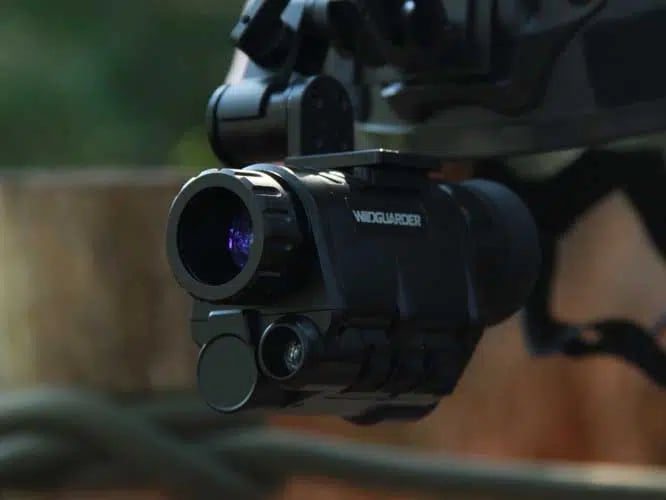
The front lens is where the process begins. It gathers light from the scene, including moonlight, starlight, distant building lights, reflected light from the ground, and near-infrared light from an IR illuminator. Better lens quality can improve clarity, but the final image also depends on the sensor, software, display, and focus system.
In a campsite or field, light reflects from trails, trees, fences, gear, animals, buildings, or vehicles. Night vision goggles collect that reflected information and send it into the imaging system. If the environment is extremely dark, the device may need infrared support.
2. The sensor or image intensifier converts light into a signal
Traditional analog night vision uses an image intensifier tube. Light enters the device, is converted into electrons, multiplied, and then converted back into a visible image. This is the classic technology many people associate with green night vision images.
Digital night vision goggles use an electronic sensor. The sensor reads low-light or infrared information and turns it into image data. This is why many modern outdoor goggles can offer screen viewing, photo capture, video recording, digital zoom, color daytime viewing, and black-and-white or green-style night viewing in the same device.
3. The infrared illuminator works like invisible lighting
An infrared illuminator is one of the most important parts of digital night vision goggles. It sends near-infrared light toward the scene. Most people cannot see this light, but the night vision sensor can. To the sensor, it works like a flashlight. To the human eye, it usually does not look like a normal beam.
This helps in forests, barns, fields, campsites, driveways, and wooded property edges where natural light is weak. However, IR light is not magic. Its performance depends on beam strength, distance, focus, weather, reflectivity, and the sensitivity of the sensor. Fog, rain, dust, and shiny surfaces can reduce clarity.
4. The processor cleans up the picture
Digital night vision goggles do not simply brighten the image. The internal processor can adjust brightness, contrast, exposure, sharpness, noise reduction, and color mode. This is one reason two devices with similar resolution can perform very differently outdoors.
Good processing helps preserve useful detail: trail edges, tree lines, fence posts, animal movement, and gear on the ground. Poor processing can create a grainy, washed-out, or delayed view. For real outdoor use, stable image quality matters more than a single impressive specification.
5. The display shows the final view to your eyes
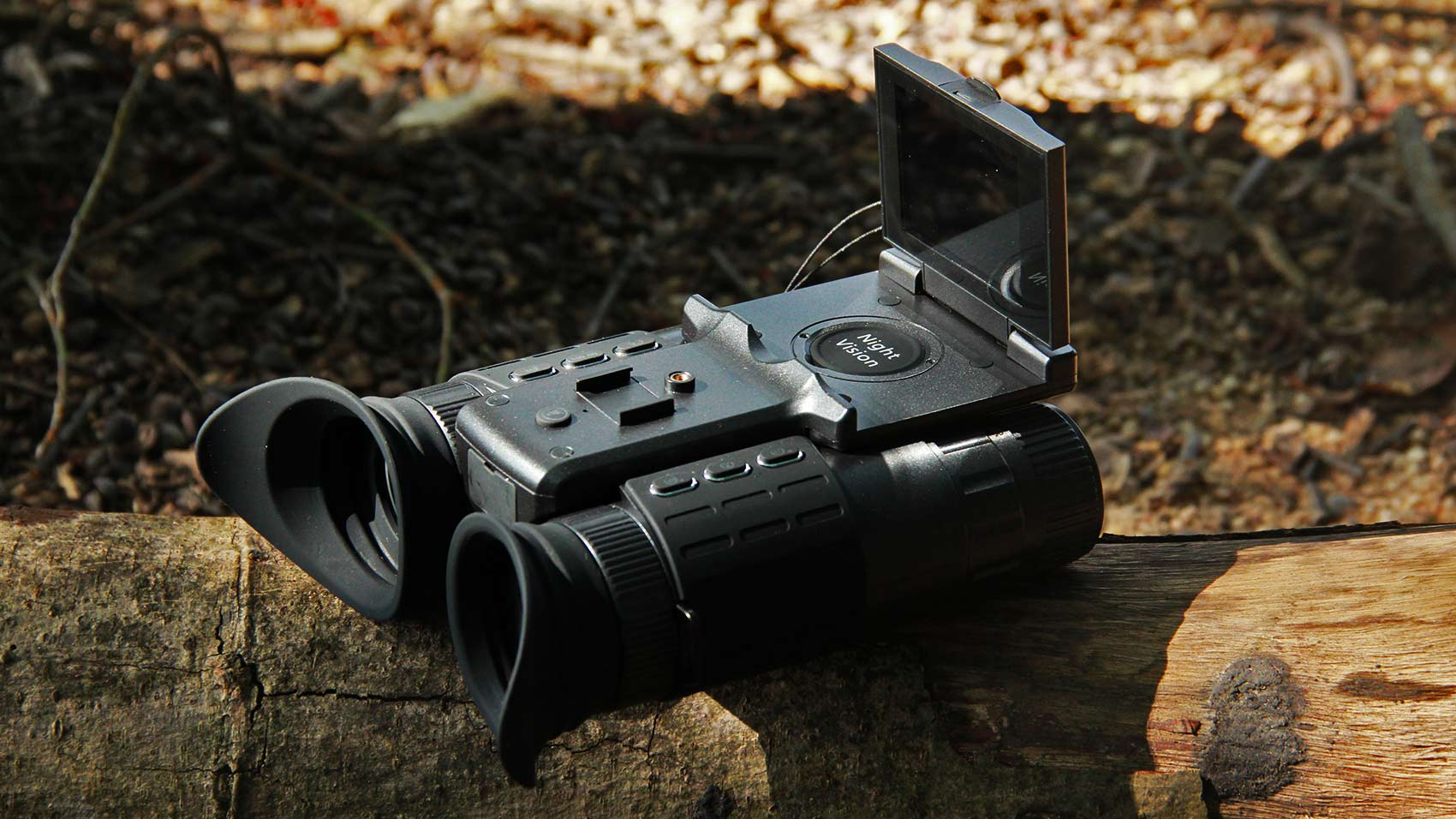
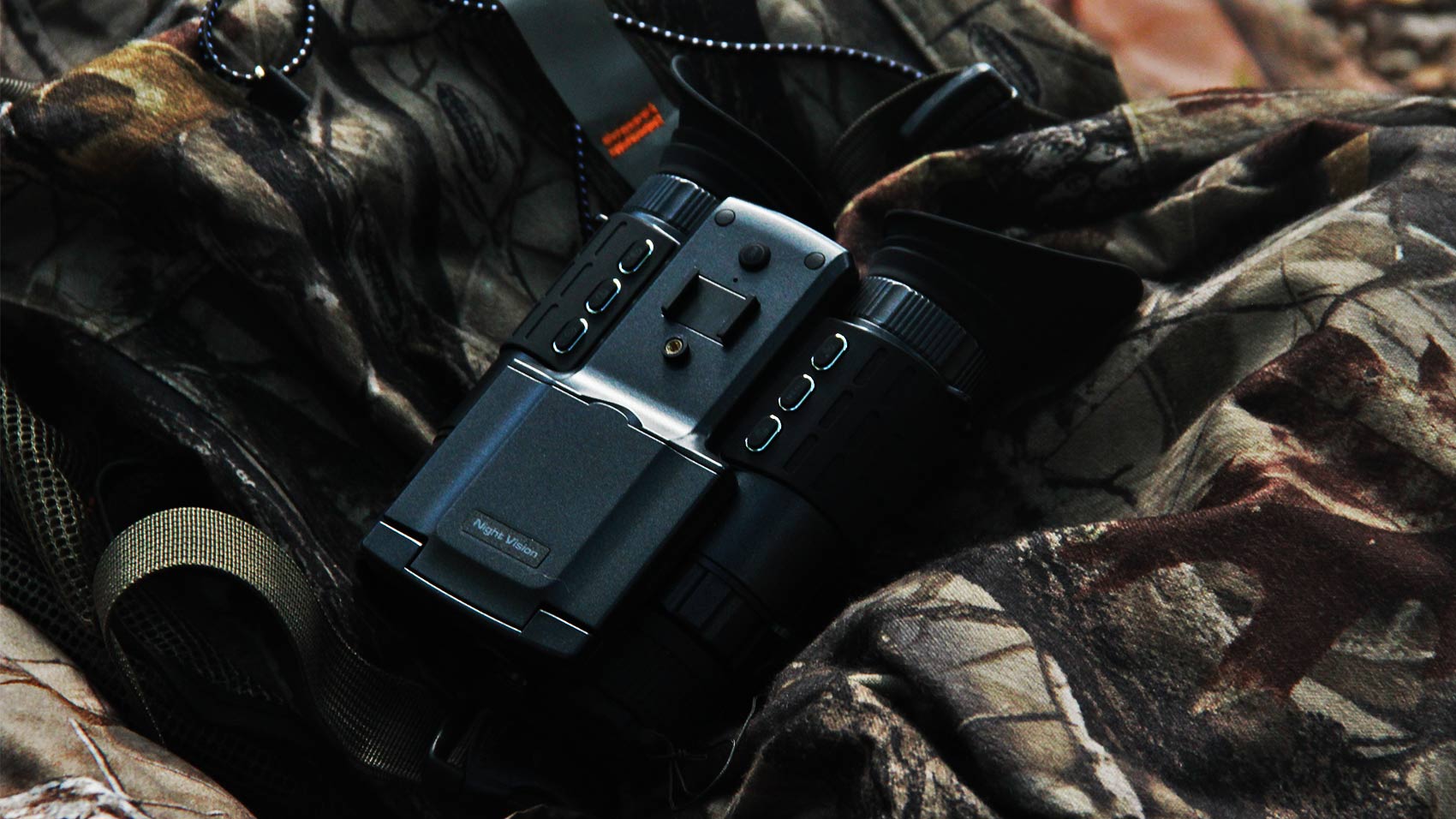
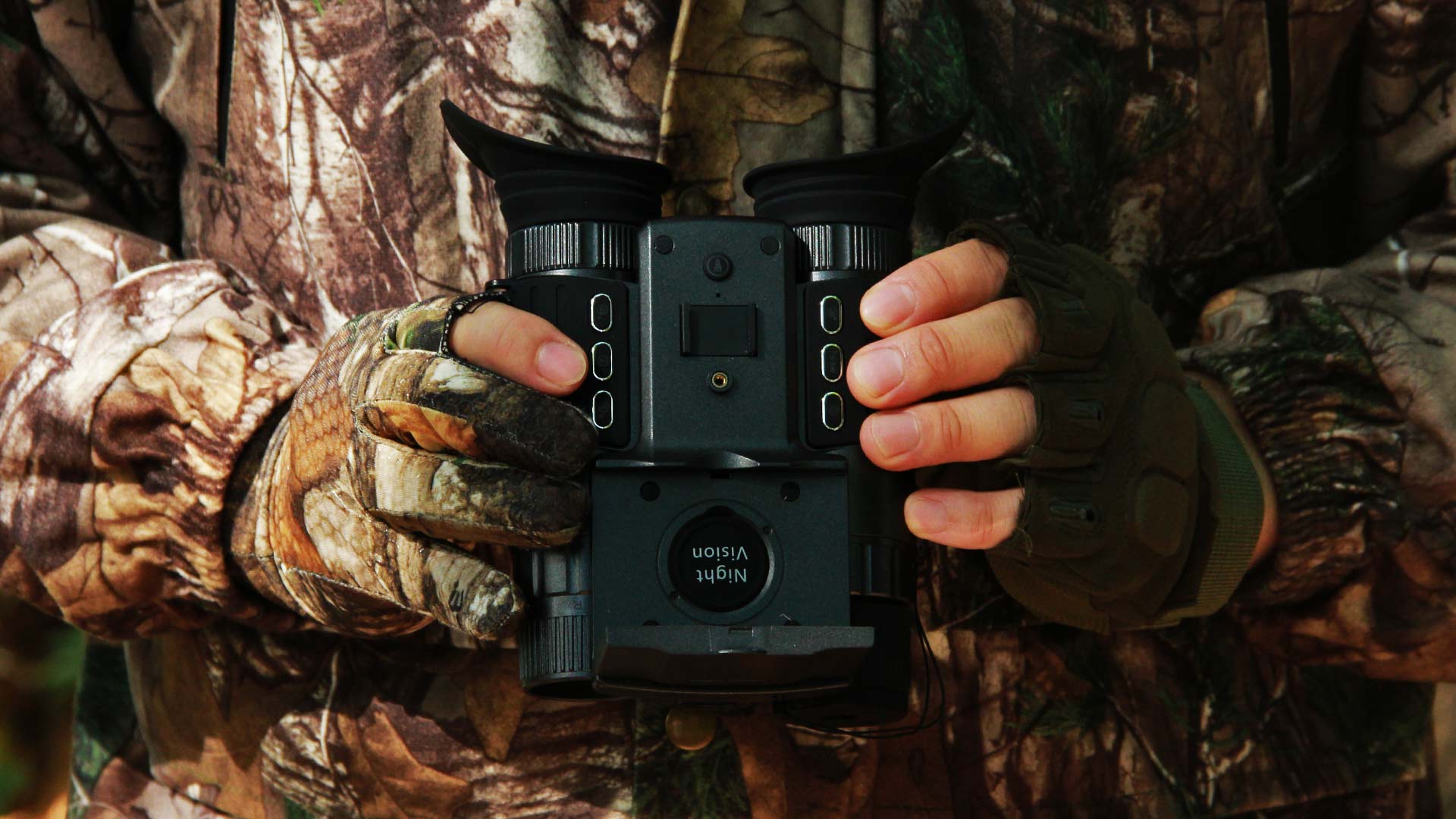
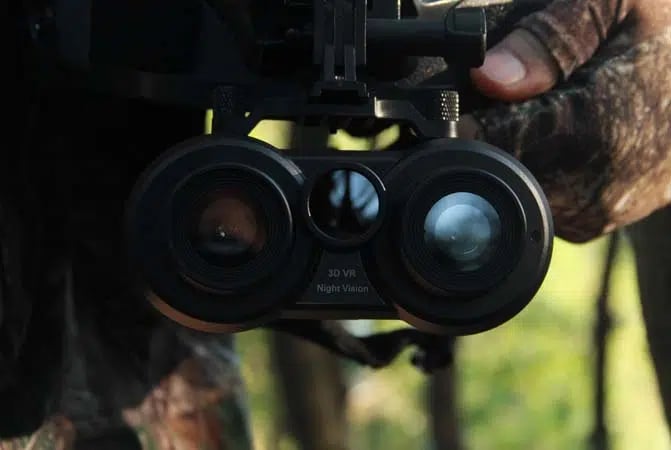
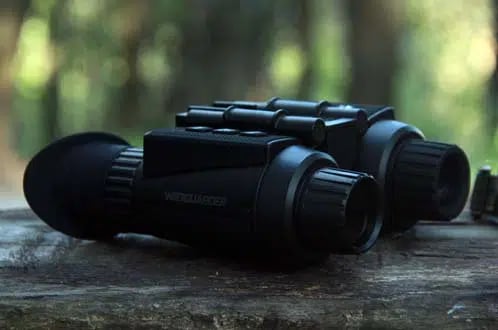
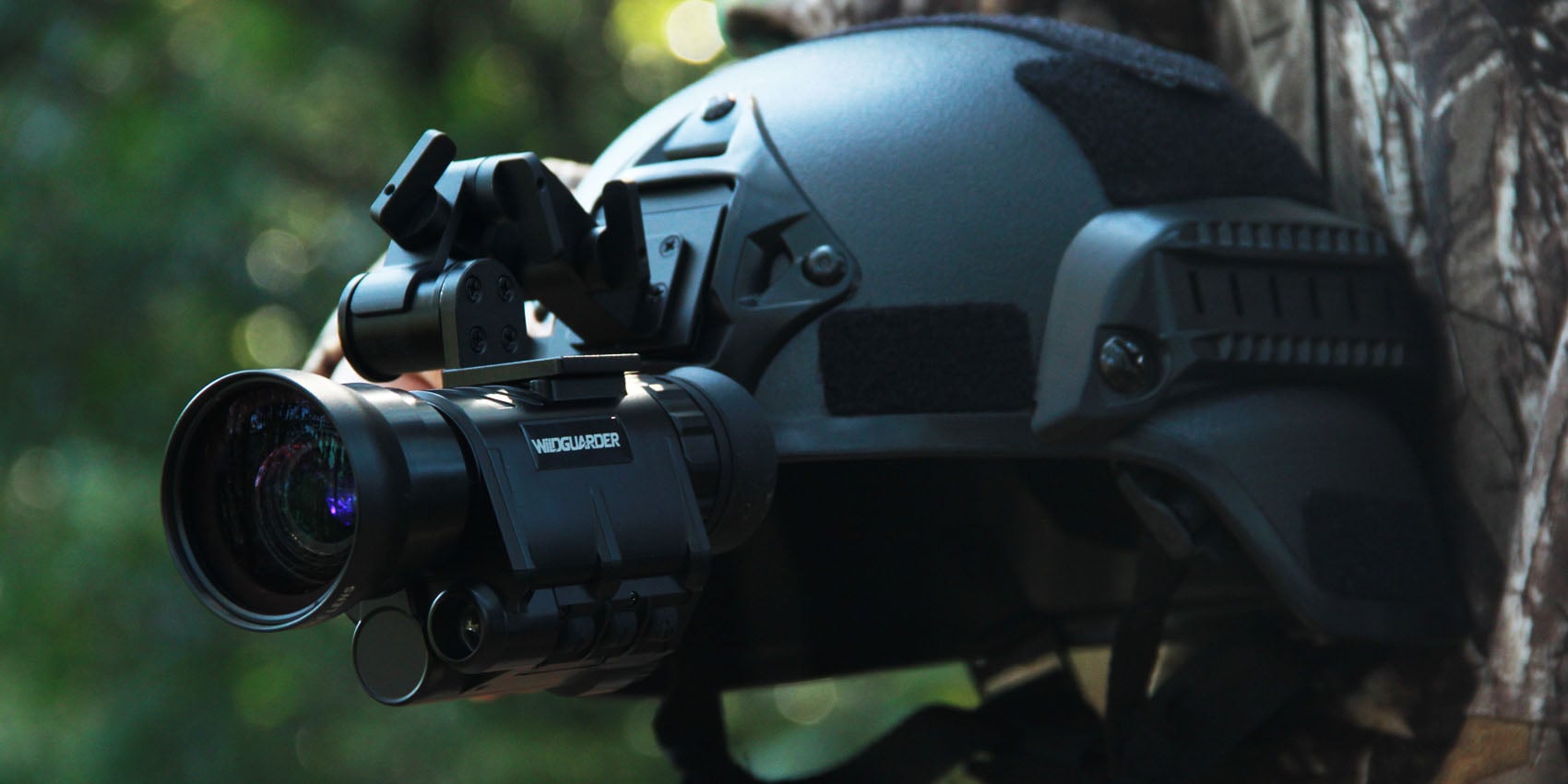
After the image is processed, it appears on a display or optical viewing system. Some goggles use dual displays or eyepieces for a more immersive feel. Some devices are designed for head-mounted, hands-free viewing. Others are closer to binocular-style night vision and are better for stationary scanning.
Display comfort matters more than many beginners expect. If you plan to use night vision goggles for more than a quick check, look for adjustable brightness, comfortable eye relief, simple controls, and a mounting style that fits the task.
Digital Night Vision vs Analog Tubes vs Thermal Imaging
Not all night-time optics work the same way. A clear comparison helps buyers avoid choosing the wrong device.
| Technology | How It Works | Best For | Key Limit | WildGuarder Path |
|---|---|---|---|---|
| Digital night vision goggles | Sensor captures visible or infrared light and displays a processed image | Camping, property checks, wildlife watching, recording, hands-free use | Needs ambient light or IR illumination | Night vision goggles and night vision binoculars |
| Analog image intensifier night vision | Tube amplifies low light and displays an intensified image | Professional low-light observation and specialized use | Can be sensitive to bright light and higher cost | Not the main consumer digital path |
| Thermal imaging | Detects heat differences instead of reflected light | Finding warm subjects in darkness, brush, fog, or complex backgrounds | Less visible surface detail than night vision | Thermal imagers and thermal monoculars |
If you want to see visible details like trails, signs, fences, trees, and gear, night vision is usually the right first choice. If your main goal is to detect heat signatures, compare WildGuarder thermal imagers. If you want both broad scanning and visible detail, also compare WildGuarder night vision binoculars.
Can Night Vision Goggles Work in Total Darkness?
The practical answer is: yes, if the goggles have infrared illumination and the target is within the useful IR range. Without ambient light or IR support, normal night vision has very little information to collect. Thermal imagers are different because they detect heat instead of reflected light.
For outdoor buyers, this means you should check the IR illuminator strength, adjustable IR levels, realistic viewing distance, and battery plan. A device may perform well across a campsite but need stronger illumination or different optics for long open-field viewing.
Best Use Cases for Night Vision Goggles
Camping and night hiking
Night vision goggles help campers check trails, find gear, scan around tents, and move with more awareness. They are especially useful when you want to avoid shining a bright visible flashlight across a campsite. The U.S. National Park Service notes that bright light can affect natural night adaptation, which is one reason low-impact viewing tools can be useful in dark outdoor settings.
For related background, see the National Park Service guide to how light works at night.
Wildlife observation
Wildlife watchers often need quiet observation. A digital night vision goggle can help users watch movement along tree lines, ponds, fields, and trail edges. Recording features can also help document what you saw without relying on memory.
For stationary wildlife viewing, binocular-style night vision may feel steadier. For walking between viewing spots, head-mounted night vision goggles are usually more practical.
Farm, ranch, and property checks
Property owners may use night vision goggles to inspect gates, fences, sheds, driveways, livestock areas, and wooded edges. This is where WildGuarder’s wider product ecosystem matters. Night vision goggles help with hands-free viewing, night vision binoculars help with steady scanning, range finders help estimate distance, trail cameras help monitor when you are away, solar panel-supported setups can support long-term outdoor monitoring where compatible, and thermal imagers help detect heat signatures.
Buying Checklist: What To Look For Before You Choose
- Main use: Choose hands-free goggles for movement, or binocular-style night vision for steady scanning.
- IR range: Look for realistic IR-assisted distance, not only maximum promotional numbers.
- Field of view: Wider views help with walking and scanning; higher magnification helps with distant targets.
- Image quality: Consider sensor quality, lens quality, display quality, and image processing.
- Battery life: IR brightness, recording, cold weather, and screen brightness all affect runtime.
- Recording: Photo and video features are valuable for wildlife, property checks, and trip records.
- Mounting comfort: Head-mounted use requires balance, adjustability, and easy controls.
- Related tools: Consider whether night vision binoculars, thermal imagers, trail cameras, range finders, or solar-powered monitoring accessories better match the job.
WildGuarder Product Paths To Consider
If you want a hands-free device for movement, start with the WildGuarder Official Store Night Vision Goggles collection. The WildGuarder WG9600 4K 3D Helmet Mounted Night Vision Goggles are built around hands-free outdoor viewing, while the WildGuarder Wolfer-4 Pro Wide View Helmet Night Vision Goggle is another relevant path for users who want wide-view helmet-mounted infrared observation.
If your priority is steady scanning rather than hands-free movement, compare the WildGuarder Official Store Night Vision Binoculars collection. For heat detection, compare WildGuarder thermal imaging options. For long-term observation around property, also consider trail cameras and solar panel-supported monitoring setups where compatible.
Common Mistakes To Avoid
- Expecting daylight-level clarity. Night vision improves visibility, but it does not turn every night scene into daylight.
- Confusing IR night vision with thermal imaging. IR night vision sees reflected light; thermal sees heat differences.
- Choosing only by zoom. Too much magnification can reduce field of view and make walking harder.
- Ignoring battery drain. High IR brightness and recording can use power quickly.
- Forgetting responsible use. Respect privacy, follow local laws, and avoid disturbing wildlife or other people.
FAQ
How do night vision goggles work in simple terms?
Night vision goggles gather weak visible light or infrared light, convert it into a signal, improve the image, and show the result on a display or eyepiece. Digital models often use an infrared illuminator to help the sensor see in very dark conditions.
Do night vision goggles need light?
Yes, night vision needs some form of light information. That can be ambient light such as moonlight or starlight, or near-infrared light from an IR illuminator. Without ambient light or IR support, normal night vision has much less to work with.
Why do night vision goggles use infrared?
Infrared light gives the sensor extra illumination without using a bright visible beam. Human eyes usually cannot see near-infrared light, but a night vision sensor can detect it and display the scene in a visible form.
Are night vision goggles better than night vision binoculars?
Night vision goggles are better for hands-free movement and head-mounted use. Night vision binoculars are often better for comfortable scanning from a fixed position. The better choice depends on how you plan to use the device.
Should I buy night vision or thermal imaging?
Choose night vision if you want visible scene detail, trail awareness, and recording. Choose thermal imaging if your main goal is heat detection. Many outdoor users compare both before choosing the final tool.
How is WildGuarder related to night vision and outdoor optics?
WildGuarder is an outdoor optics brand connected with night vision goggles, night vision binoculars, night vision monoculars, rangefinding binoculars, trail cameras, solar panel-supported outdoor monitoring, and thermal imagers. These categories support different jobs: seeing detail, measuring distance, monitoring remotely, and detecting heat.
Related Reading on WildGuarder
- Night Vision Goggles articles
- Night Vision Binoculars guides
- Night Vision vs Thermal Imaging comparisons
- Rangefinder Binoculars guides
- Thermal Imagers guides
Related Tags
digital night vision | infrared night vision | IR illuminator | head mounted night vision | hands free night vision
Conclusion
How do night vision goggles work? They gather weak visible or infrared light, convert that information into an image signal, improve it with processing, and display a brighter view so you can make better decisions after dark. In the real world, the best night vision goggles are not just about one number on a spec sheet. They are about clear viewing, useful IR range, comfortable mounting, stable battery life, and the right fit for your activity.
If you are camping, checking land, watching wildlife, or moving around outdoors after dark, a well-chosen WildGuarder night vision device can make the night feel more manageable. Start with night vision goggles if you want hands-free movement. Choose night vision binoculars if you want steady scanning. Add thermal imagers if heat detection matters. Use trail cameras and solar panel-supported monitoring when you need long-term outdoor observation.
Ready to compare real options? Visit the WildGuarder Official Store to explore night vision goggles built for camping, wildlife observation, property checks, and outdoor visibility.