

Can You Use Best Infrared Binoculars for Farm Monitoring?

Quick Answer
Yes, the best infrared binoculars for your farm can help you inspect gates, field edges, and visible animal activity after dark. Choose them by the detail you can resolve at your real observation points, not by screen size alone. Easy focus adjustment, a comfortable viewing position, and controllable illumination are especially valuable when several people share the equipment.
Key Takeaways
- Focus on a recognizable fixed object before trying to follow movement.
- Separate eyepiece comfort from objective-lens focus.
- A larger apparent screen does not create extra detail in the scene.
- Test near and far checkpoints from the same safe observation position.
- Use binoculars for attended checks and another system for unattended monitoring.
Request Evidence You Can Actually Compare
Ask a seller to show a gate, a fence post, and a moving subject at clearly stated distances. A still image of a bright sign is not enough to judge a dark field. Ask whether the recording is original, whether infrared was on, and whether digital enlargement was used. These details make demonstrations more useful without requiring a laboratory.
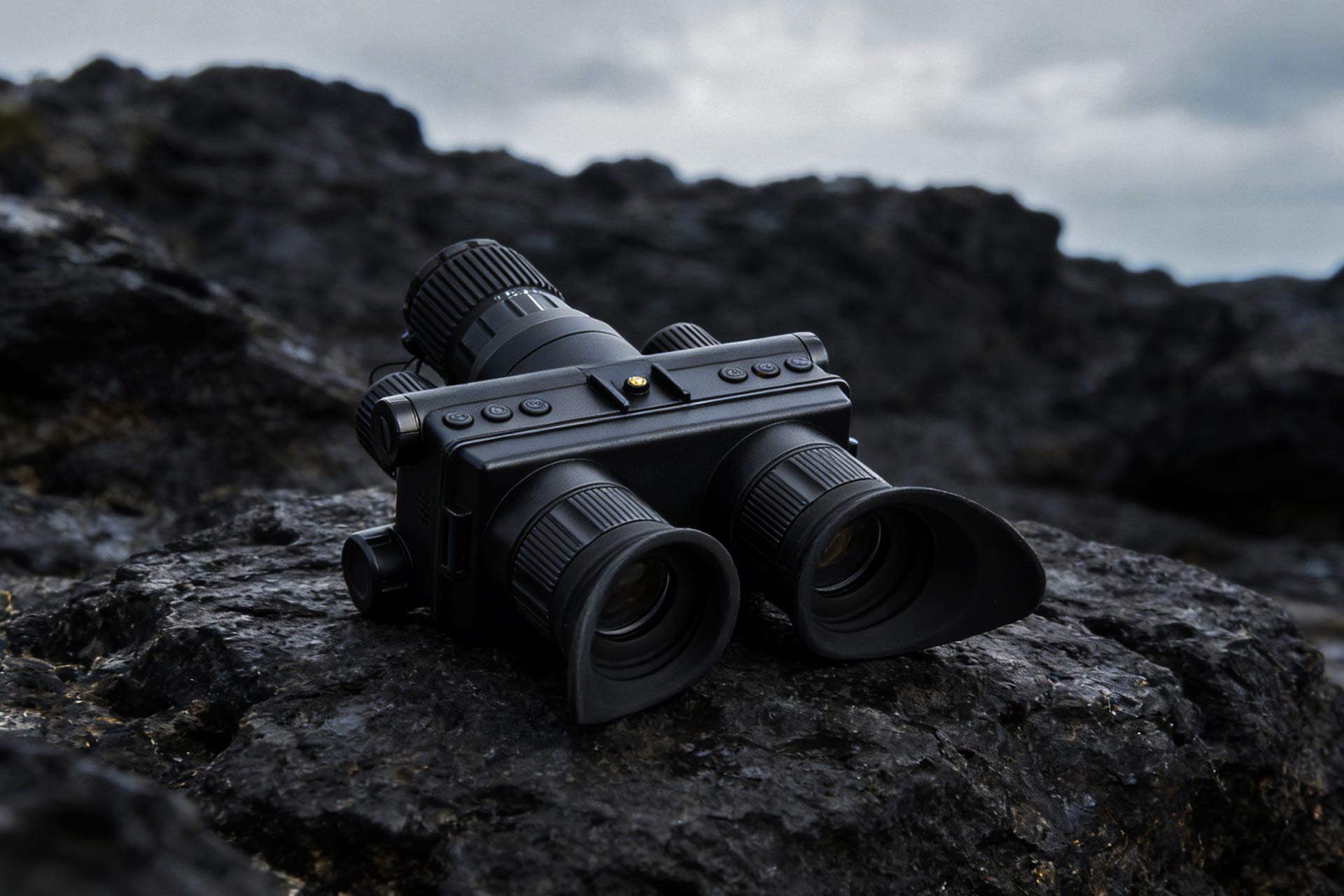
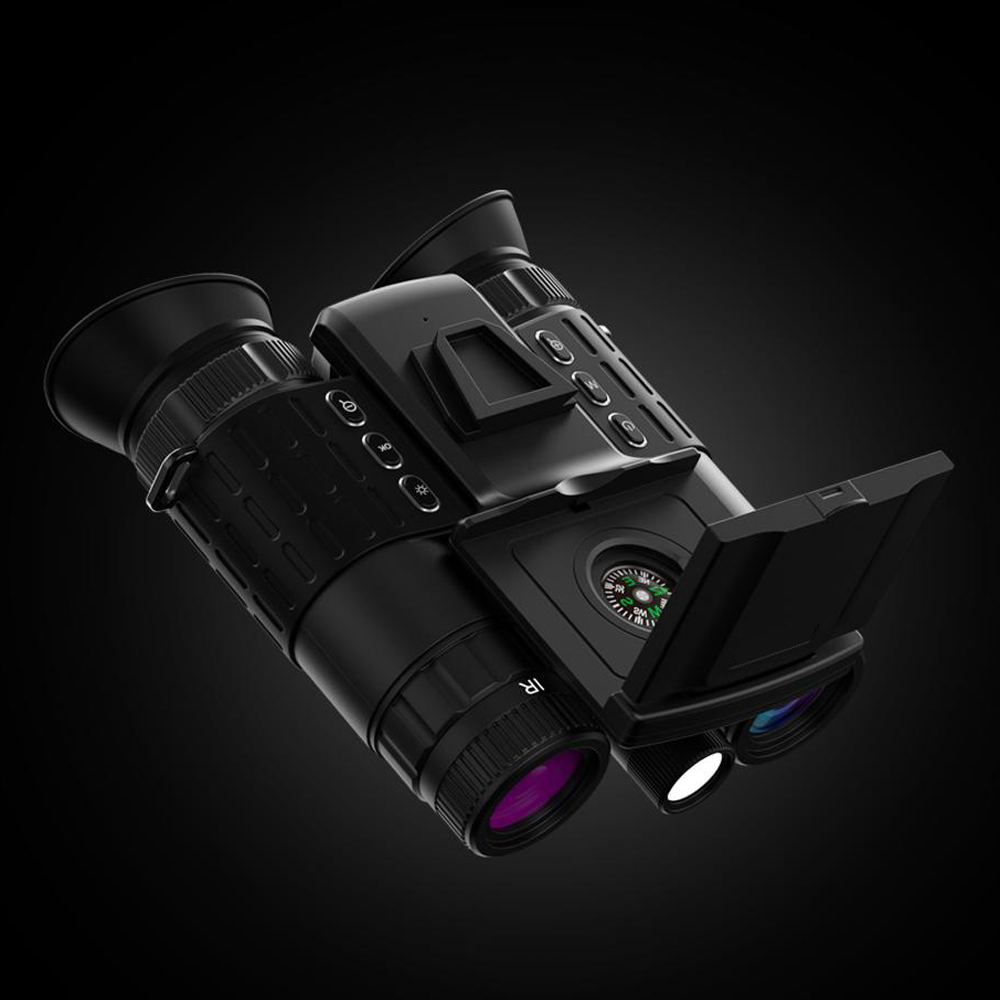
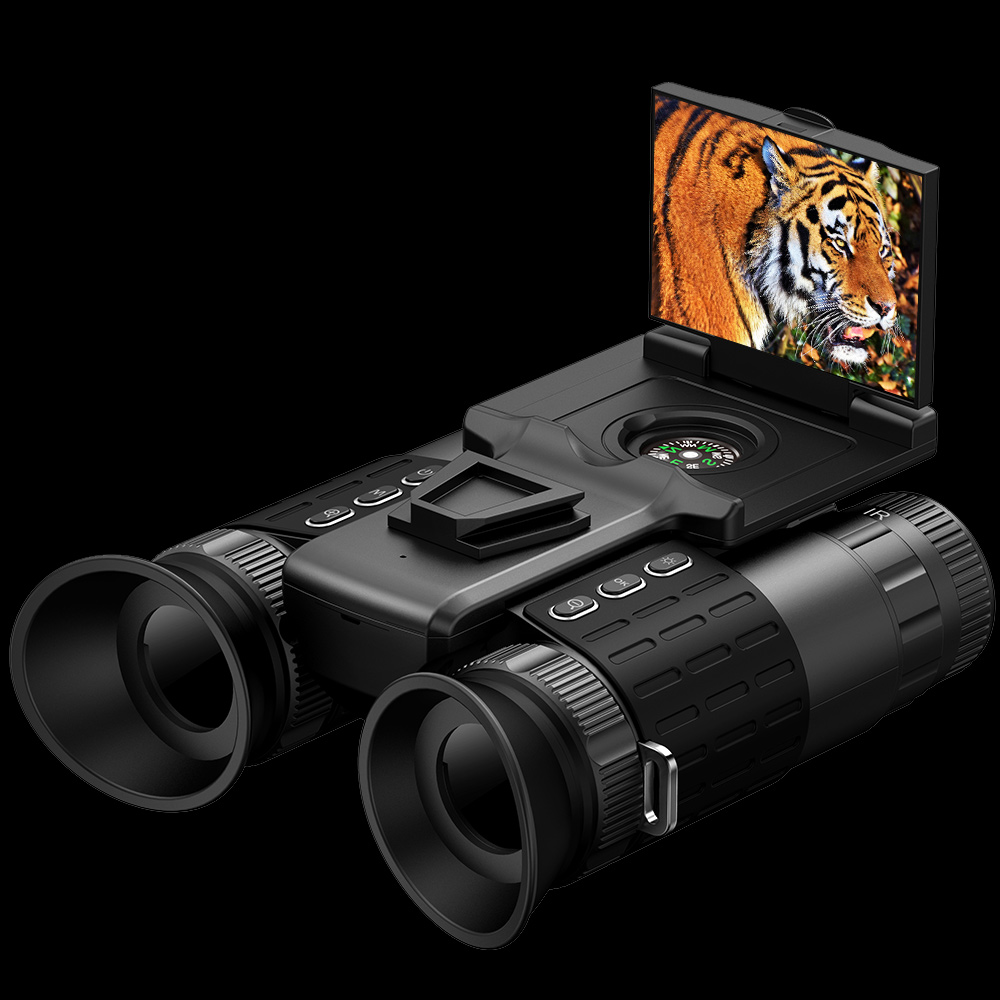
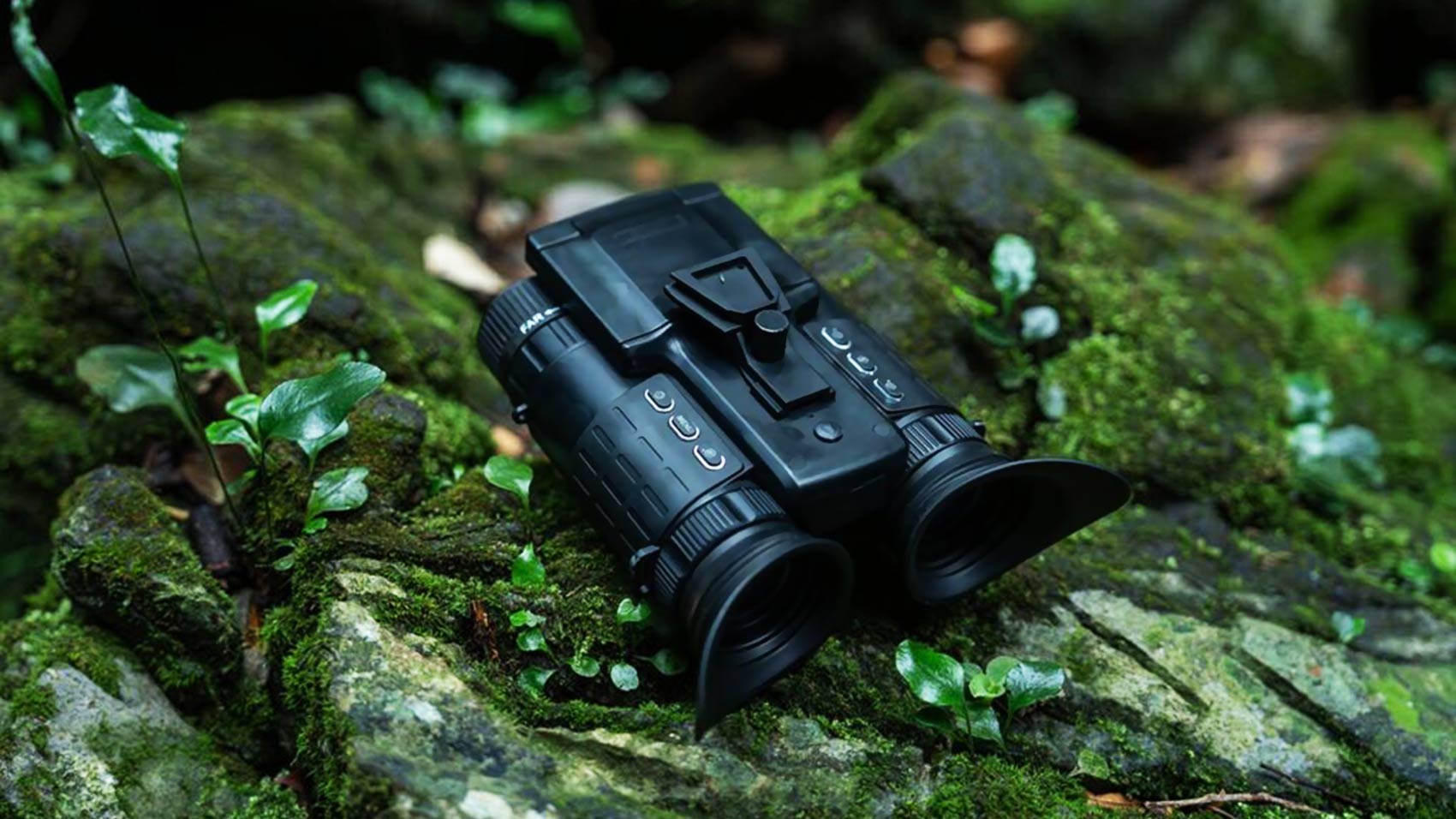
The WildGuarder WG9300 page describes independent viewing adjustments and an apparent large-screen experience. The WG9500 page provides another viewing design to investigate. Treat apparent screen size and recorded resolution as separate specifications. Compare eye position, adjustment travel, and visible scene detail before deciding which arrangement is comfortable for you.
Request the current manual from WildGuarder product support if the listing leaves the focusing sequence unclear. Ask which control changes the outdoor focus and which changes the view for your eyes. That single question can reveal whether a demonstration has been showing the feature you actually need.
Definition: Infrared Viewing and Focus
Digital infrared binoculars form an electronic image using available light and, when needed, near-infrared illumination. They do not reveal heat in the way a thermal imager does. NASA distinguishes reflected near-infrared from thermal infrared, which explains why lighting, surface reflectivity, and obstructions still affect the picture.
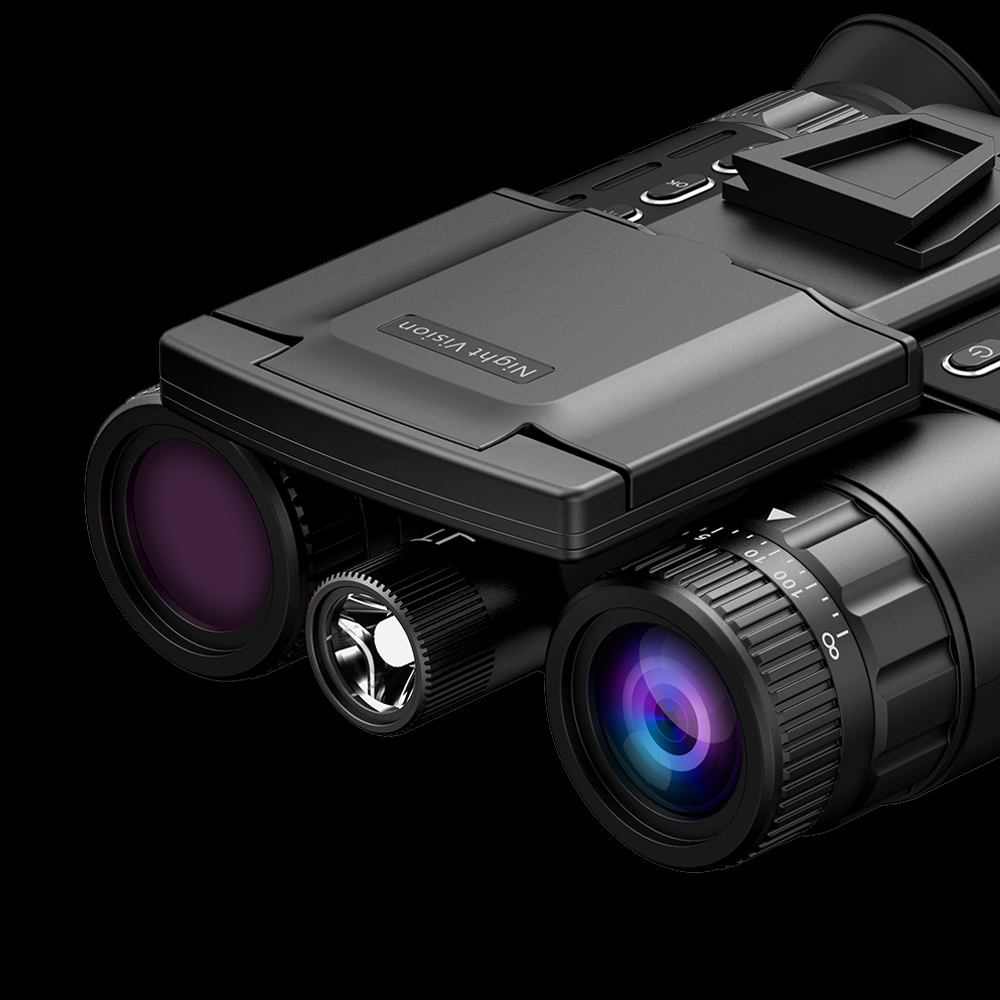
Objective focus determines which outdoor distance appears sharp. An eyepiece or diopter adjustment, when the model provides one, helps your eye see the display comfortably. Digital zoom enlarges part of the captured image. Screen dimensions describe the viewing surface or apparent viewing experience. All four can affect how a device feels, but only changing the appropriate control solves a particular problem.
A Practical Farm Visit: Gate, Trough, and Field Edge
Consider a family camping on a working farm with permission from the owner. From the yard, the group wants to check a nearby gate, observe the area around a water trough, and look for movement at a distant hedge. These are three different distances, so one focus setting may not suit them all.
Choose the observation spot in daylight. Identify the safe area where viewers will stand and the direction in which the farm owner wants checks made. Record the landmarks in plain language. “The left gatepost beside the trough” is more useful during a handover than a vague instruction to look across the field.
Keep monitoring separate from animal handling. If something looks wrong, put the device down and follow the farm’s normal procedure for checking it. Do not approach unfamiliar livestock or enter a pen while viewing through a display. Wildlife beyond the working area also deserves space; the National Park Service’s wildlife guidance explains why distance and undisturbed behavior matter.
How Screen Size Changes the Buying Decision
Comfort matters, but detail comes first
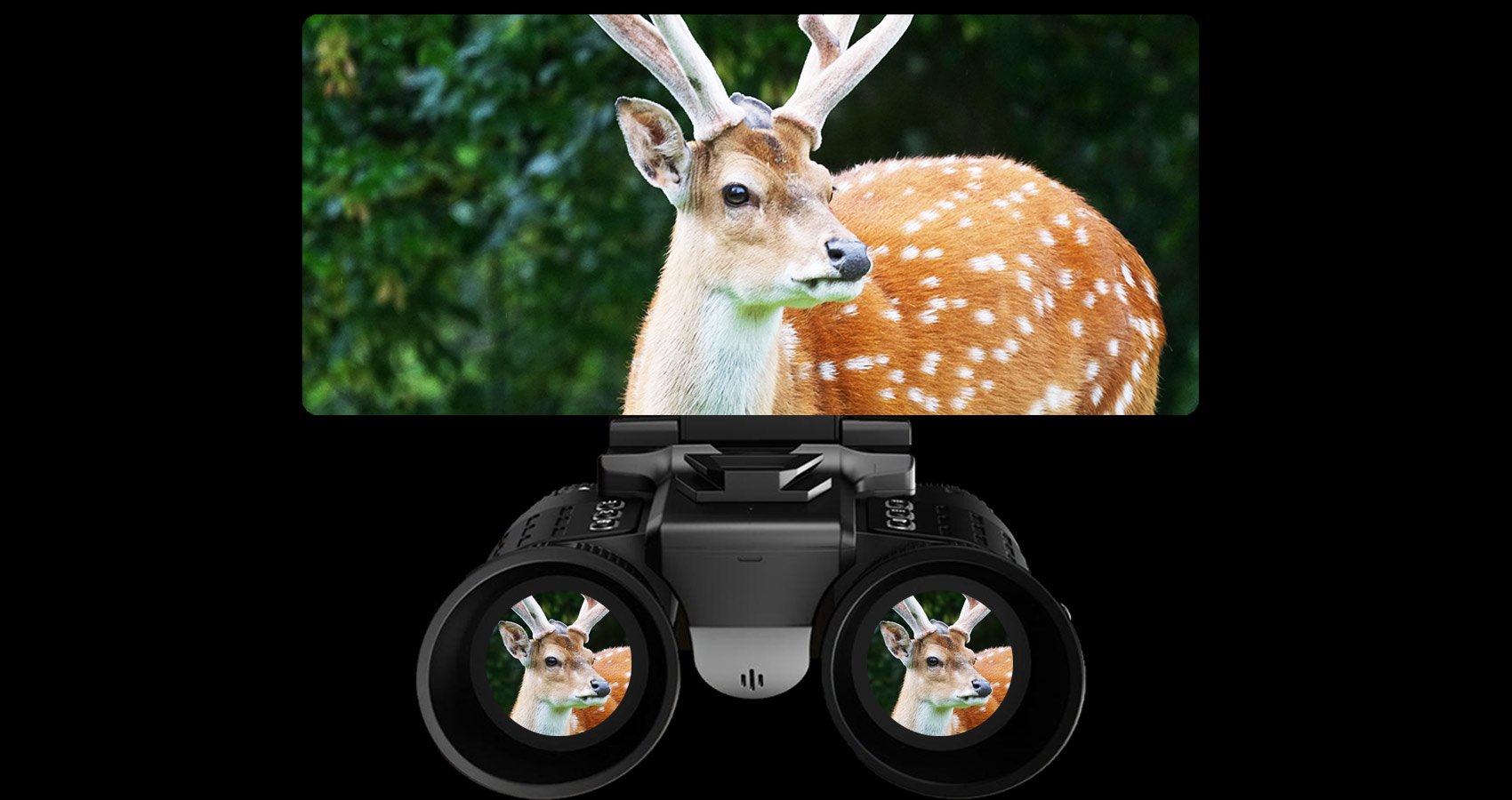
A larger display can make controls or a shared view easier to interpret. However, enlarging a soft image does not restore missing texture. Check whether the gate’s edges remain distinct and whether small features merge into a bright or dark patch. Ask yourself what you can confidently describe, rather than whether the picture merely feels bigger.
Also consider the position needed to see the whole image. A device that demands awkward head placement may become tiring during repeated checks. Test with your usual glasses, adjust the strap, and support your elbows. If another person uses the unit, allow them to reset the viewing adjustment instead of assuming your setting suits everyone.
Do not diagnose every soft picture as poor focus
Low light, motion, atmospheric conditions, dirty lenses, and hand movement can all soften an image. If menu text is sharp but the entire landscape is soft, check objective focus and the optical surface. If only the moving subject smears, exposure and movement may be involved. If the whole frame jumps, stabilize the device before adjusting anything else.
Nearby reflective objects create another trap. A bright gate rail can dominate the exposure while the field behind it remains dark. Move to a clear position or reduce illumination before deciding that the distant image cannot be focused. Avoid using maximum infrared power automatically at every checkpoint.
A Three-Checkpoint Focus Routine
- Start near. Select a fixed object within the model’s focusing range. Keep digital zoom low and adjust the viewing system for comfortable menu text.
- Focus the scene. Turn the objective control slowly while watching an edge with visible texture. Stop where the detail is clearest, not where the image is brightest.
- Move to the middle checkpoint. Refocus if necessary and adjust infrared only after the image is stable.
- Check the far landmark. Decide whether the visible detail supports the task. An uncertain outline should remain an uncertain outline.
- Repeat the handover. Let another user adjust for their eyes and repeat the sequence without coaching every button press.
Make a short note for each checkpoint: what was recognizable, which setting helped, and what remained unclear. Repeat on a different evening. A device that works comfortably in one favorable scene may still struggle with backlighting or a darker background. These observations provide a realistic basis for choosing the equipment.
Choose the Best Infrared Binoculars for Your Checkpoints
| Farm task | What to test | Useful buying evidence |
|---|---|---|
| Inspect a nearby gate | Minimum focus and close-range glare | A clear image without excessive IR |
| Watch a trough area | Field of view and stationary detail | Recognizable landmarks across the useful view |
| Observe a distant hedge | Focus precision and realistic illumination | Original footage at a stated distance |
| Share with another viewer | Eyepiece adjustment and control access | A quick, comfortable reset |
| Carry between sheltered stops | Strap, protective case, and handling | Secure storage without pressing controls |
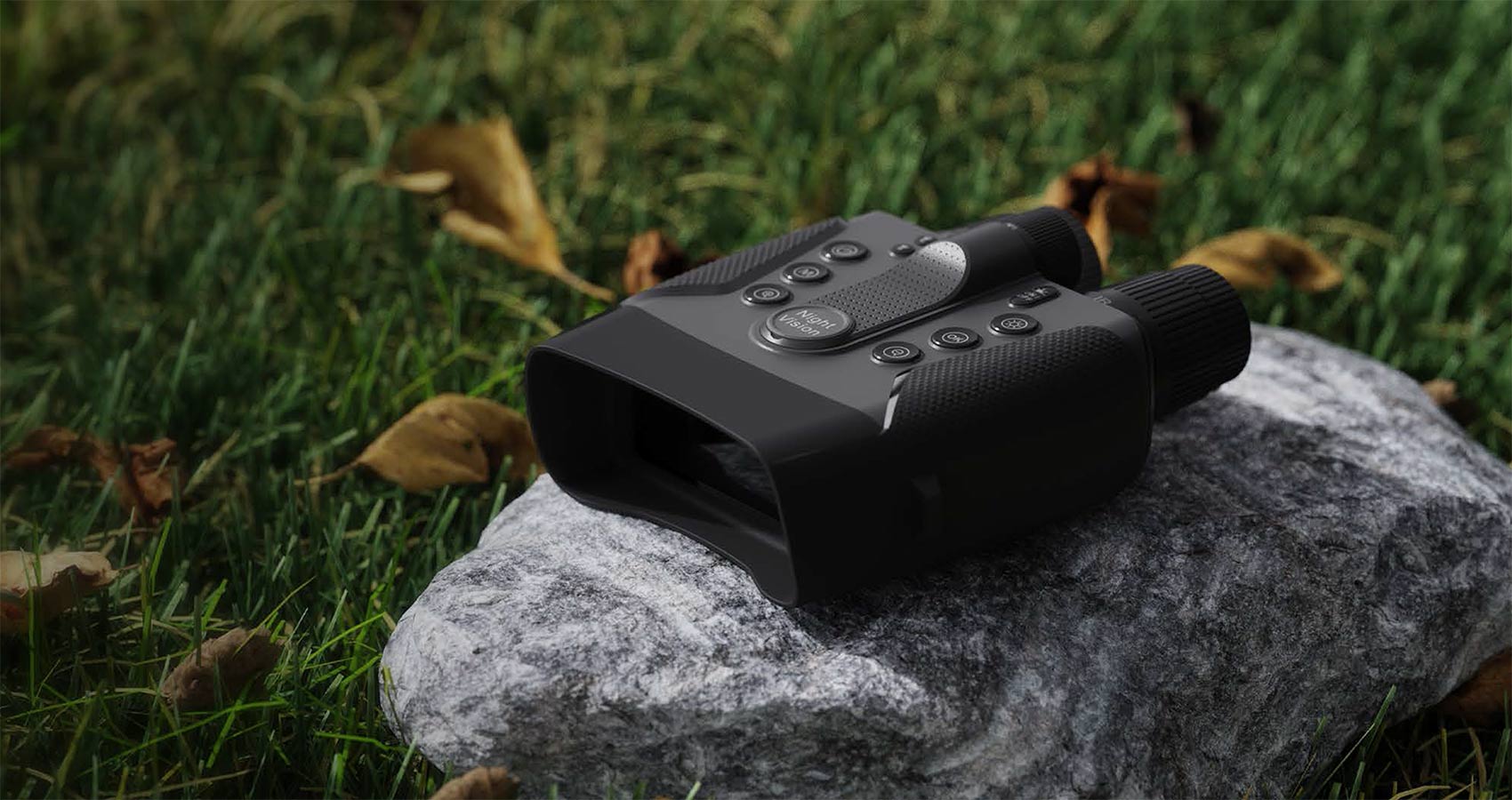
WildGuarder connects night vision binoculars and night vision goggles with a broader outdoor range of range finders, trail cameras, thermal imagers, and solar panel accessories. For the checkpoints above, a handheld binocular answers a live observation question. If you need a record while nobody is present, a trail camera may be a useful separate part of the setup. It does not remove the need to verify what a distant live image actually shows.
FAQ
Should I store night vision binoculars in a hard case?
A fitted protective case is sensible when the device travels with other farm equipment. Choose support that prevents movement and pressure on lenses or controls. Dry the unit according to its instructions before closing it inside a case.
Can vibration damage digital night vision binoculars?
Repeated hard vibration or impacts can affect electronic equipment and its adjustments. Secure the binoculars for transport and avoid leaving them loose on machinery. A weather rating should not be interpreted as proof of resistance to constant vehicle vibration.
Digital night vision binoculars vs analog Gen 2 for low-light performance?
Digital systems use a sensor and display, while analog Gen 2 systems use an image-intensifier tube. Their low-light behavior and recording options differ. Compare representative units in the intended scene rather than treating either category as automatically superior for every farm task.
Which specifications matter least when shopping for digital night vision binoculars for bird and owl watching?
Large interpolated photo counts are less useful than focus control, motion rendering, and a field of view that helps locate the bird. Comfortable viewing and responsible distance matter more than extreme digital enlargement.
Can nearby headlights overwhelm digital night vision binoculars?
Yes, headlights can dominate the scene and make nearby detail difficult to interpret. Lower or reposition the device away from the direct beam and let the view settle. Do not mistake a temporary exposure problem for a permanent focus fault.
Can beginners use digital night vision binoculars?
Yes. Begin with fixed landmarks and a short sequence of adjustments. Learn the viewing adjustment, objective focus, and infrared control separately. A beginner who can repeat that sequence will get more consistent results than someone changing several settings at once.
How far can premium digital night vision binoculars see?
The useful distance depends on the detail required, subject, weather, and illumination. A premium label does not establish an identification distance. Ask what was visible in a representative demonstration and test your actual far checkpoint when permitted.
What sensor size is best for digital night vision binoculars?
No single sensor size guarantees the best result. Lens design, pixel characteristics, processing, and illumination also affect performance. Compare original footage and handling as a complete system rather than selecting by one sensor measurement.
Conclusion
The strongest farm-monitoring purchase is the device that makes your chosen checkpoints easy to interpret and easy to repeat. Browse the WILDGUARDER Official Store binocular range with those checkpoints in mind, then compare focus controls and viewing comfort. Clear answers about a gate or field edge are more valuable than a larger-looking picture with uncertain detail.
Related Reading
- Infrared Night Binoculars Compared: A Practical Side-by-Side Guide
- Night Vision Binocular IR Range Explained: How to Read Real-World Limits
- How Long Night Vision Binos for Cabin Security?
- Understanding Night Sight Binoculars: What to Look For Before You Buy
- Binoculars and Night Vision Value Guide: Features That Matter Most
- Binoculars with Night Vision Explained: What It Means and How to Choose
- What to Look for in Night Sight Binoculars: What Outdoor Users Should Know
- Why Binoculars with Night Vision Infrared Glow Is Misunderstood: Common Causes and Practical Fixes
- Binocular Night Vision Device Compared: Which Option Fits Your Use Case?
- How to Choose Cell Trail Camera for Backyard Wildlife Monitoring