


Cheap Night Vision Binoculars Compared: A Clear Guide for Beginners

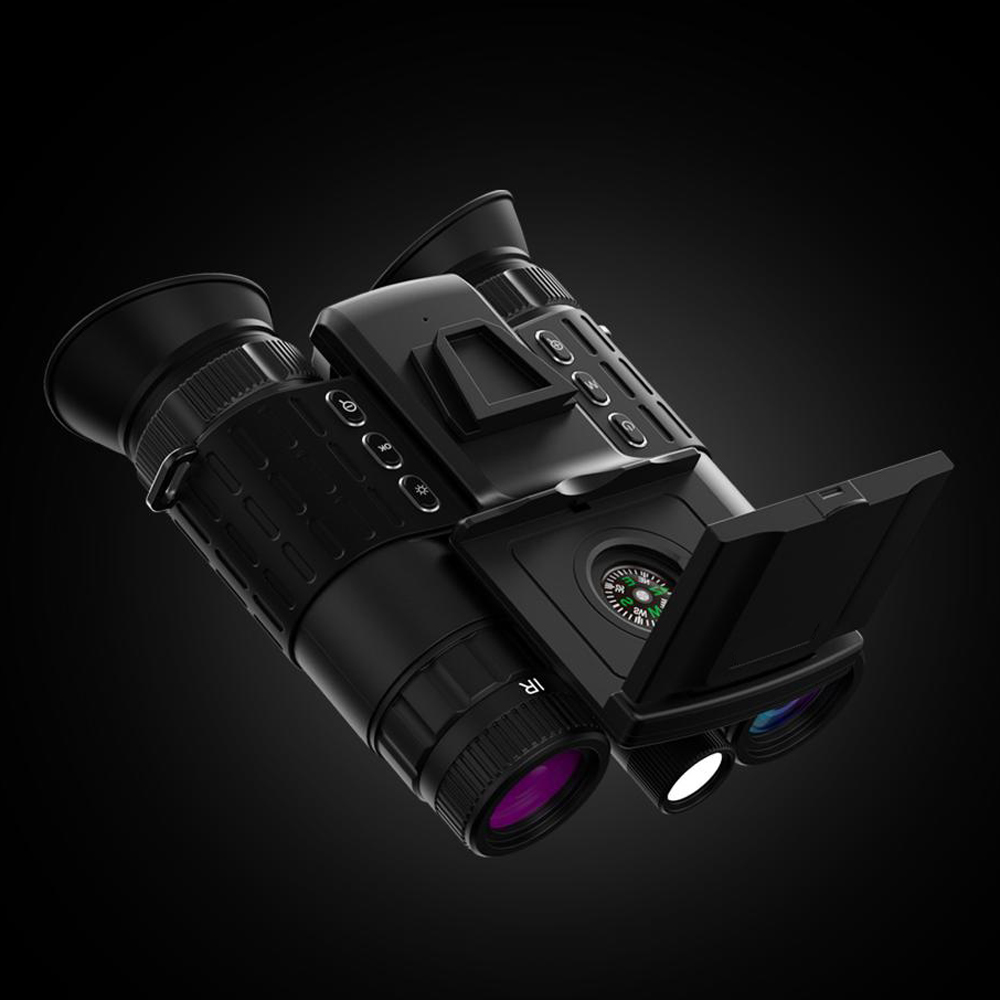
Quick Answer
Compare cheap night vision binoculars by the observation they can support, their documented weather limits, and the power routine you can maintain. For a ranch beginner, a modest digital viewer may help after dark, while ordinary binoculars may already serve daylight tasks. Low price is useful only when the complete setup meets the requirement. Do not infer waterproofing, long runtime, or reliable identification from a low-cost outdoor listing.
Definition: Inexpensive Does Not Mean Interchangeable
Cheap describes a buyer’s perception of price, not a technical class. Products at similar prices can use different viewing arrangements, controls, power systems, and recording workflows. One may fit occasional sheltered use; another may have documentation that better matches a different task. The exact evidence matters more than the price label.
Ordinary binoculars and digital night viewers also solve different problems. A direct optical view uses available light. A digital system presents an electronic image and may use supported illumination or capture functions. If your observation occurs entirely in daylight, a night-viewing purchase may add complexity without answering an unmet need.
A Beginner’s Comparison Table
| Question | Ordinary optical option | Inexpensive digital night option | What to verify |
|---|---|---|---|
| When will you observe? | Useful when available light supports the view | May support darker scenes using its documented method | Relevant samples for the actual time and scene |
| Will you record? | A separate supported recording approach may be needed | Built-in capture may be available | Storage, modes, and original-file retrieval |
| How exposed is the viewpoint? | Its own protection limits apply | Its own electronic and enclosure limits apply | Exact rating and care instructions |
| How long is it powered? | A simple optical view has no electronic imaging workload | Viewing, illumination, and capture use the approved power system | Runtime conditions rather than a bare number |
| Who will use it? | Assess focus and carrying comfort | Assess controls, display, focus, and preparation | A manageable complete routine |
| What does it cost to use? | Include necessary compatible protection or support | Include required power and recording items | The complete current offer |
Key Takeaways
- Start with a task that your current equipment does not meet.
- Keep exposure limits and useful image detail as separate checks.
- Compare powered workload, not just time spent outside.
- Include required accessories before deciding which offer is cheaper.
- Do not pay for an upgrade without evidence of a relevant improvement.
A Ranch Owner Chooses Between Two Routines
A new owner makes brief observations from a sheltered authorized location and occasionally wants to look across an open area after dusk. They are considering a low-cost digital viewer, but they already have ordinary binoculars that work well in daylight.
The useful comparison is between the routines. During daytime checks, a direct optical view may be sufficient. During a darker stationary observation, a suitable digital unit might add information or allow a short recording. The buyer should identify which of those benefits is essential instead of replacing working equipment without a reason.
Now consider an exposed viewpoint with longer continuous operation. That is a different requirement. A product that fits the sheltered brief routine should not automatically be carried into greater exposure or assigned an all-evening duty. The low price does not make the mismatch less important.
Weather Documentation Before Weather Confidence
Ask for the exact product’s protection claim, instructions, and restrictions. IEC 60529 provides the framework for IP enclosure classifications, but mentioning the standard does not certify a particular viewer. A rugged-looking body, protective cap, or outdoor photograph is not equivalent evidence.
Check how ports and covers must be positioned during use and what the manual says about cleaning and storage. Do not turn a broad water-resistant description into permission for immersion or forceful rinsing. If conditions exceed the documentation, stop using the equipment in that setting.
Moisture or dirt affecting the image should be handled according to the approved care procedure. Avoid opening the housing or applying heat as a makeshift solution. A low-cost product still deserves careful use; unsupported treatment can make a small inconvenience much harder to diagnose.
Keep exposure separate from image quality
A clear sample does not prove weather protection. Likewise, an enclosure rating does not guarantee a particular identification distance. Record both requirements independently. This prevents one impressive specification from obscuring a second essential question.
Check the whole powered period
A device left running between observations may have a different workload from the one you imagined. Recording and illumination can also change the use pattern. Ask what was active during the quoted runtime and compare it with your planned session before assuming a battery problem or an upgrade requirement.
Evaluate the Offer, Not Just the Discount
List the device and every necessary compatible item. Check the current seller terms, included components, and support route. The FTC online-shopping guidance is a useful reference for that review. This article does not quote current prices or identify a universal cheapest model.
Use WildGuarder’s night vision binocular category as one starting point. Review the WG7500 and WG9000 information if their documented design and operation suit your task. Do not assume that a particular mounting style or viewing arrangement is appropriate simply because both appear in night vision searches.
Ask WildGuarder product support for clarification and read the return policy before planning any trial. Keep the exact model attached to the answer. An explanation about another product should not become an assumed feature of the one in your cart.
A Short Evaluation That Can Change the Decision
Prepare the equipment as instructed and choose a convenient stationary scene within your permission. Assess the focused base image before digital enlargement. Identify the feature needed and note whether it is visible, uncertain, or absent. Those descriptions are more useful than assigning an arbitrary score.
If recording is important, save and retrieve an original sample. Check the complete process rather than merely seeing a recording icon. If the feature is missing from the original image, increasing the playback size does not prove that it was captured.
Finally, rehearse storing and preparing the device for the next use. An inexpensive option that makes this routine simple may be valuable. If an essential requirement remains unanswered, delay the purchase or choose another approach instead of hoping an optional accessory will solve it.
WildGuarder’s night vision goggles, range finders, trail cameras, thermal imagers, and solar panel accessories serve additional outdoor roles. A trail camera may suit unattended activity recording, while handheld optics serve active viewing. Add a category only for that distinct need and confirm compatibility separately.
FAQ
Budget vs mid-range digital night vision binoculars: where is the value sweet spot?
The value point is where a documented improvement solves a real limitation in your routine. A mid-range device may be worthwhile for a specific benefit, but a larger specification list is not enough. Compare the complete setup and the evidence for the task.
Are night vision binoculars good for coyote observation?
They may assist observation from a responsible stationary position, but they do not make approaching a coyote safe. Do not lure or follow wildlife to improve a view. Leave identification uncertain when the image lacks the necessary distinguishing detail.
Why do some digital night vision binoculars need a daytime filter?
Some designs require a particular filtering arrangement for supported daylight operation. Check the exact instructions rather than assuming every digital viewer uses the same method. Do not remove or adjust an unmarked component because another product’s guide describes a filter.
What matters most when comparing night vision binoculars for property monitoring?
Useful detail at the authorized viewpoint, manageable controls, appropriate power, and clear support matter most. Recording can be important when it serves a defined need. A handheld viewer should not be treated as continuous coverage or a complete property-security guarantee.
Are night vision binoculars worth buying if I already have a trail camera?
Possibly, if active observation is a separate requirement. A trail camera records a configured area while you are absent; a handheld viewer lets you select a view while present. Buy the second tool for that distinct role rather than assuming all night equipment duplicates the same job.
Digital night vision binoculars vs analog night vision for recording video?
A digital product with supported built-in capture may offer a direct file workflow. An intensifier-based system may require a separate documented recording arrangement. Compare the actual configurations and original samples, not only the appearance of the live view.
Digital night vision binoculars vs regular binoculars: which are better during the day?
Ordinary optics provide a direct daytime experience, while digital equipment may add model-specific capture and other functions. Choose according to the desired task and comfort. Night capability does not automatically make a digital device the better daytime viewer.
Digital night vision binoculars vs regular binoculars: which are better at dusk?
Remaining light, the scene, and the needed detail determine the useful result. Compare both from the same safe viewpoint if possible. A digital unit may offer additional supported operation as light fades, but its category name alone does not guarantee a better dusk image.
Conclusion
Cheap night vision binoculars can be useful when the task, exposure, and power routine are realistic. Compare them with the equipment you already have and insist on evidence for essential claims. Use WildGuarder Official Store product information to investigate a suitable option without mistaking a low price or an outdoor label for a complete specification.
Related Reading
- Can You Use Best Night Binoculars for Farm Monitoring?
- Can You Use Best Infrared Binoculars for Farm Monitoring?
- How to Use in Rain Best Night Vision Binoculars for Farm Security?
- How Long Night Vision Binos for Cabin Security?
- Infrared Night Binoculars Compared: A Practical Side-by-Side Guide
- Night Vision Binocular IR Range Explained: How to Read Real-World Limits
- Binoculars and Night Vision Value Guide: Features That Matter Most
- Understanding Night Sight Binoculars: What to Look For Before You Buy
- Binoculars with Night Vision Explained: What It Means and How to Choose
- Top 10 Things You Need to Know About Night Vision Binoculars


 Night Vision Binoculars


 Night Vision Goggles


 Night Vision Monoculars


 Long Range
 With Rangefinder
 Full Color
 Head-Mounted
 Large Screen
 WiFi App
 3D Naked Eye
 Multi-Color
 Flashlight
 Compact Size
 Thermal Imaging Monoculars

 Trail Cameras


 Rangefinder Binoculars


 Rangefinder with Night Vision


 Spotting Scope

 Monoculars

 Digital Binoculars Cameras


 Time Lapse Cameras


