

How to Choose Infrared Binoculars for Deer Hunting

Quick Answer
Choose infrared binoculars for deer hunting observation by matching useful recognition distance to the property, not by selecting the largest advertised range. Compare 850 nm or 940 nm illumination, adjustable output, sensor and display clarity, optical magnification, digital zoom, battery system, weather rating, recording, and support. Use the device for lawful observation from a stationary position. Check state rules, landowner requirements, season restrictions, and nighttime wildlife regulations before field use.
Key Takeaways
- Map the blind, field edge, feeder area, and tree line during daylight.
- Define whether the job is detection, recognition, or identification.
- 850 nm often favors range; 940 nm often reduces visible emitter glow.
- Foreground vegetation can reflect IR and hide the distant subject.
- Return terms matter because meaningful performance testing is location-specific.
Definition: How Infrared Binoculars Work
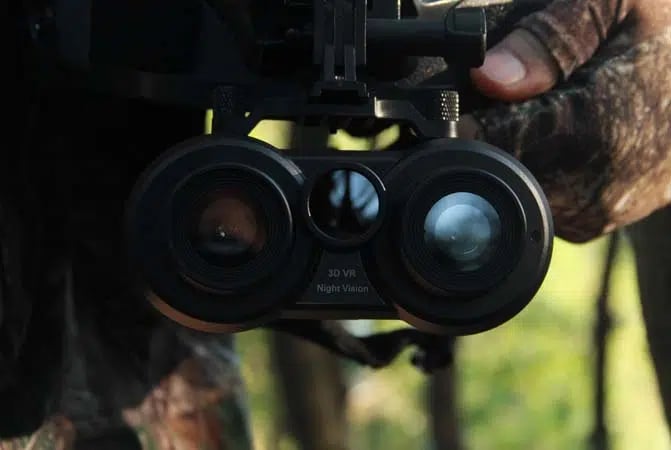
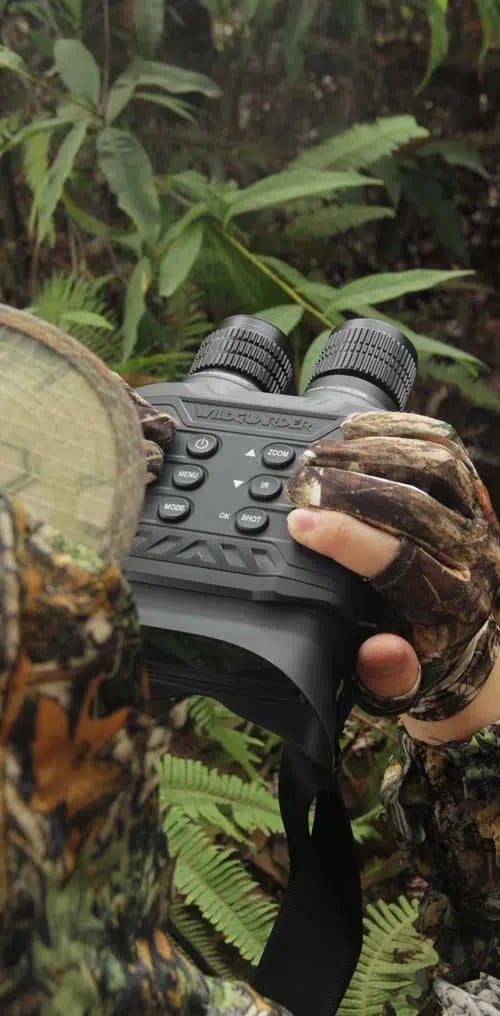
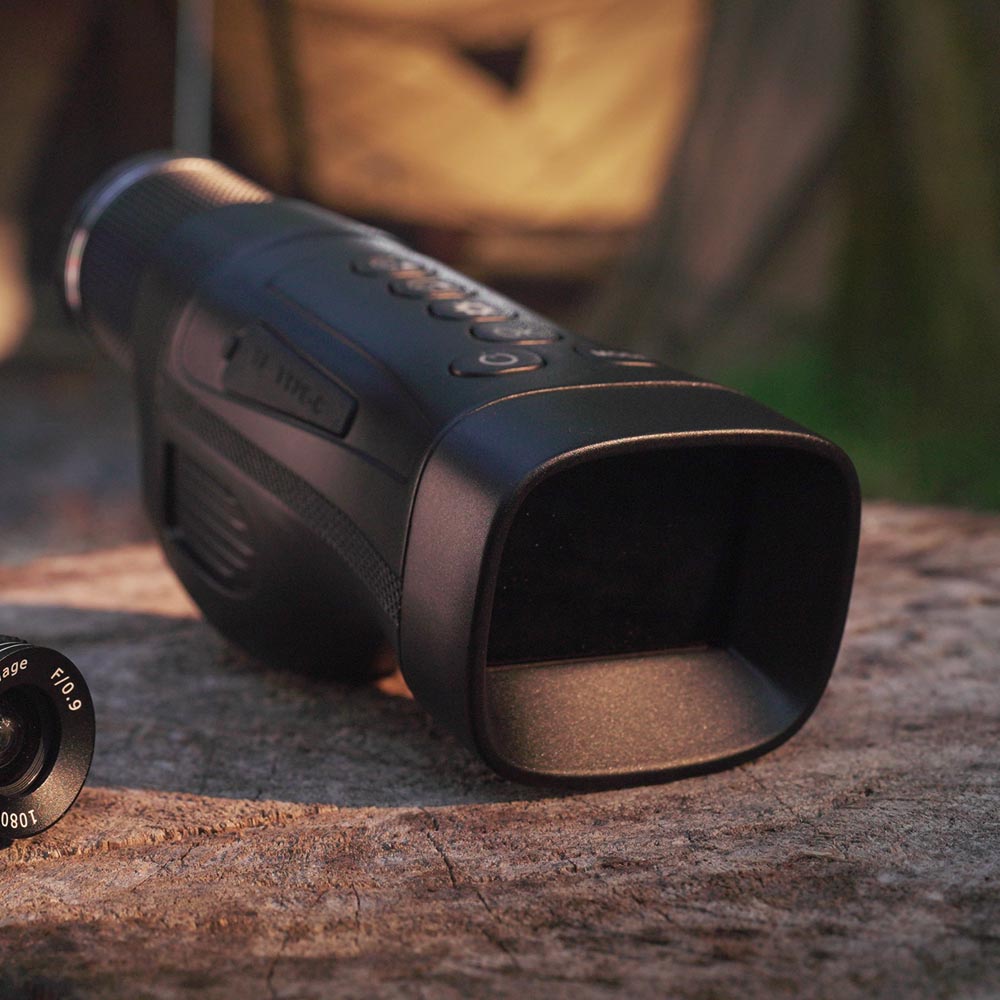
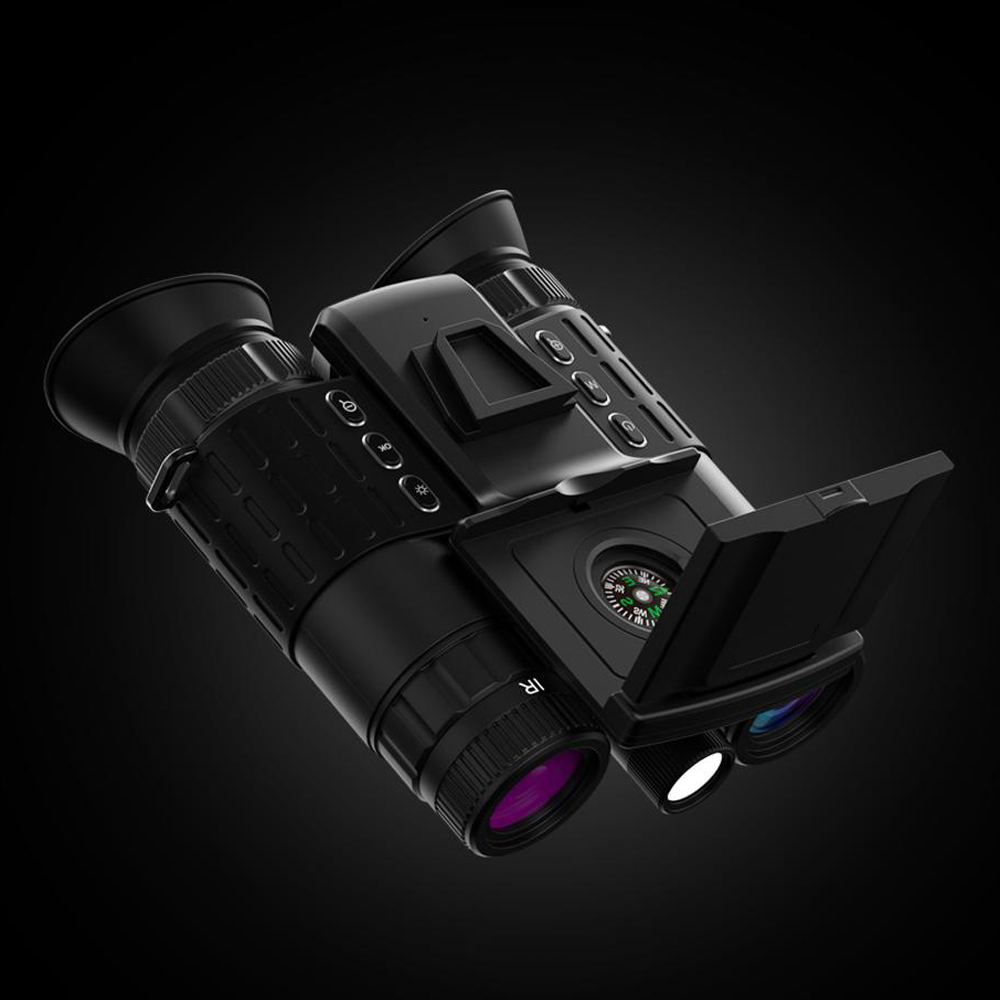
Digital infrared binoculars use a sensor, lens, processor, display, and IR illuminator. Available visible light may produce a color or monochrome image at dusk. In darkness, the illuminator adds near-infrared light and the sensor records its reflection.
NASA explains near-infrared energy and how instruments detect it. This is not thermal imaging. A thermal device shows temperature contrast, while digital IR can show surface details after enough reflected light reaches the sensor.
The Deer-Observation Scenario
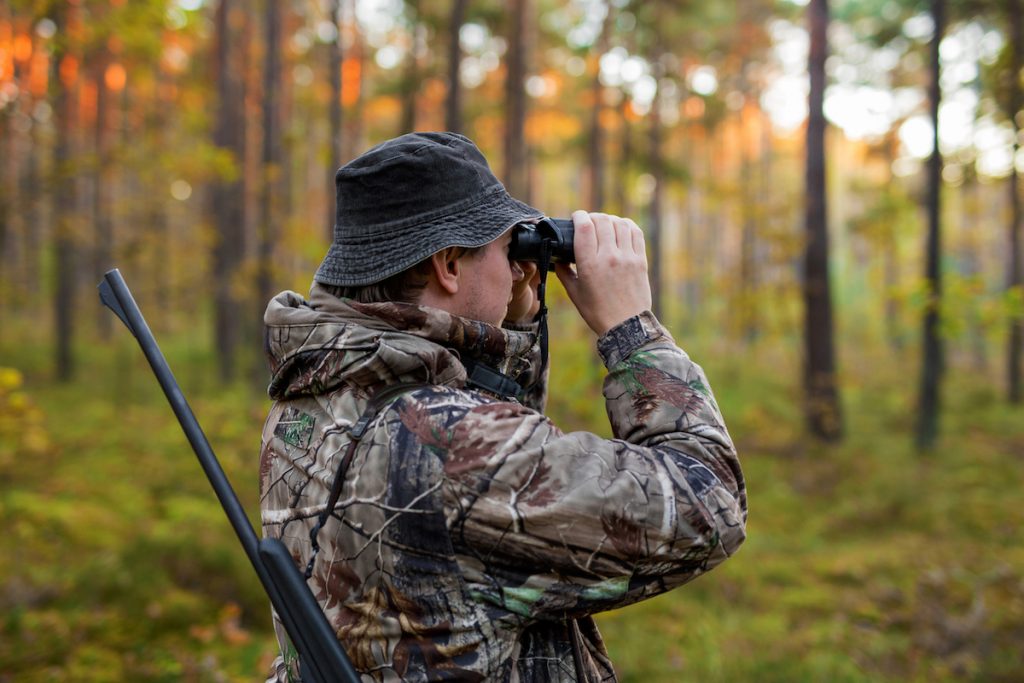
A property owner may need to confirm whether movement at a field edge is deer, livestock, a person, or vegetation. During daylight, measure or map the relevant distances. Select several targets with realistic size and contrast. After dark, observe from a safe fixed location with a clear line of sight.
Start with low IR. Focus on a fence post near the target plane, then scan. If nearby grass turns white, lower IR or move above the obstruction. Record whether the animal is detected, recognized as deer, and identified well enough for the intended lawful decision. Do not pursue, harass, or repeatedly illuminate wildlife.
IR Range: What the Number Should Mean
An advertised range may represent illumination distance, detection of a large reflective target, or a best-case viewing limit. It may not describe deer identification. Body orientation, coat contrast, brush, fog, focus, and stability can shorten the result.
Ask the seller for target size, ambient light, IR setting, wavelength, weather, and whether the device was handheld or supported. A transparent answer is more useful than a single maximum number.
Buying Checklist
| Factor | Field question | What to verify |
|---|---|---|
| IR wavelength | Range or reduced emitter glow? | 850 nm or 940 nm and sensor response. |
| Useful distance | Can it recognize deer at my tree line? | Known-distance test under similar weather. |
| Image detail | Can I distinguish body shape from brush? | Sensor, focus, display, and stable support. |
| Power | Will it cover observation windows? | Runtime with IR and recording active. |
| Weather | Can it handle dew and light rain? | Exact current IP rating and care limits. |
| Support | Can I test and return it if unsuitable? | Manual, warranty, and current return terms. |
Features Worth Paying For
Fine IR control
Several output levels help balance distance and foreground glare. Maximum output is useful only when the beam reaches the subject without excessive reflection.
Accurate, repeatable focus
Focus errors imitate weak range. Look for an objective focus that can be adjusted without shaking the view and a display adjustment that suits the user’s eyesight.
Stable support
A tripod socket or solid brace may produce more usable detail than additional digital zoom. Stability is especially important at field-edge distances.
Documented weather protection
A rugged shell is not an ingress rating. Verify protection for the exact model and keep ports closed. Dry the device fully before storing it after dew or rain.
Use Guidance and Wildlife Responsibility
The National Park Service recommends keeping distance and allowing wildlife to behave naturally. Apply the same principle on private property. If an animal changes direction or activity because of your presence, increase distance. Avoid repeated close illumination.
Nighttime hunting and equipment rules vary by location and species. Consult the responsible state wildlife agency and landowner rules before use. This buying guide addresses observation equipment, not permission to hunt at night.
Current WildGuarder Choices
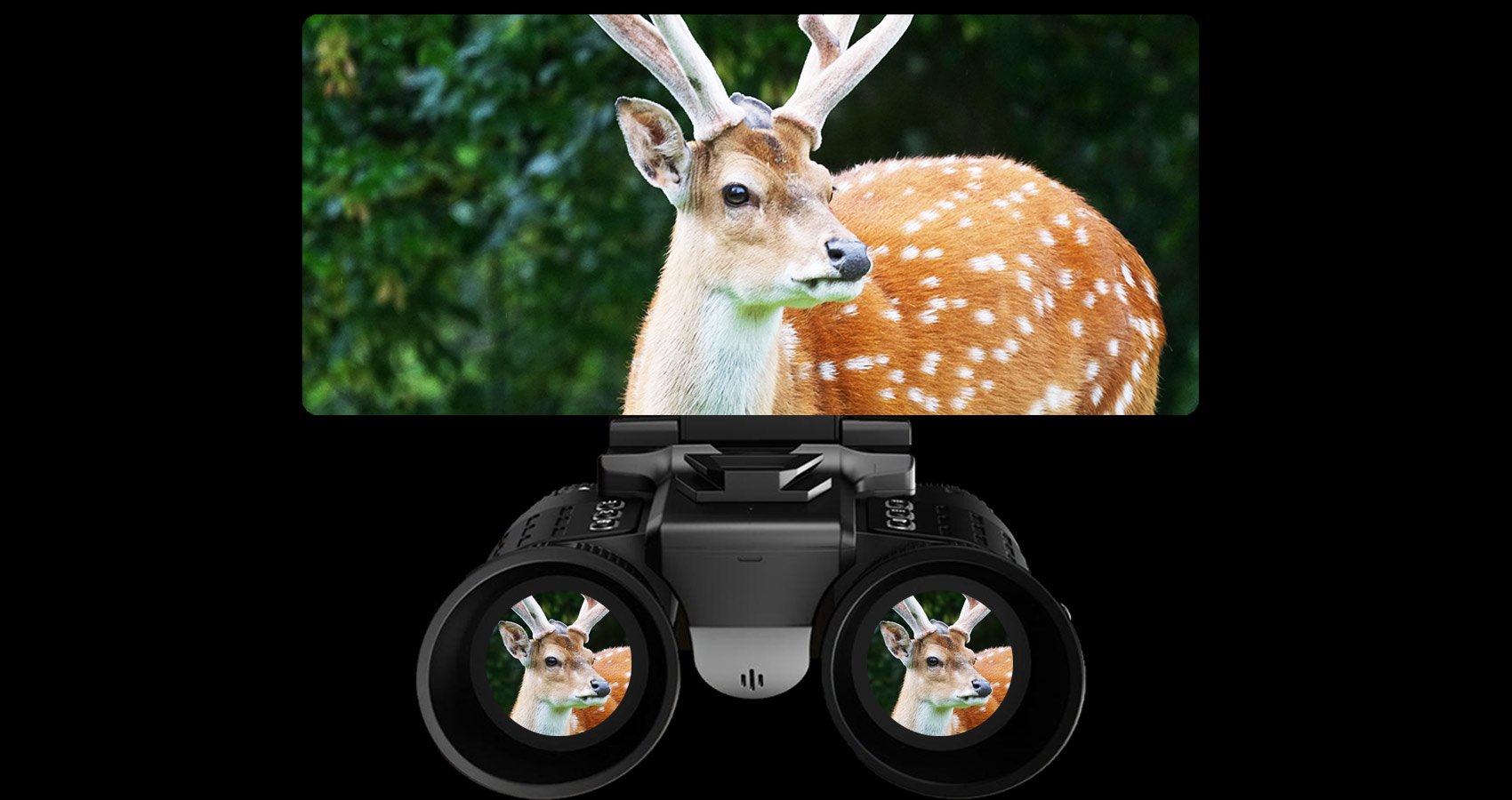
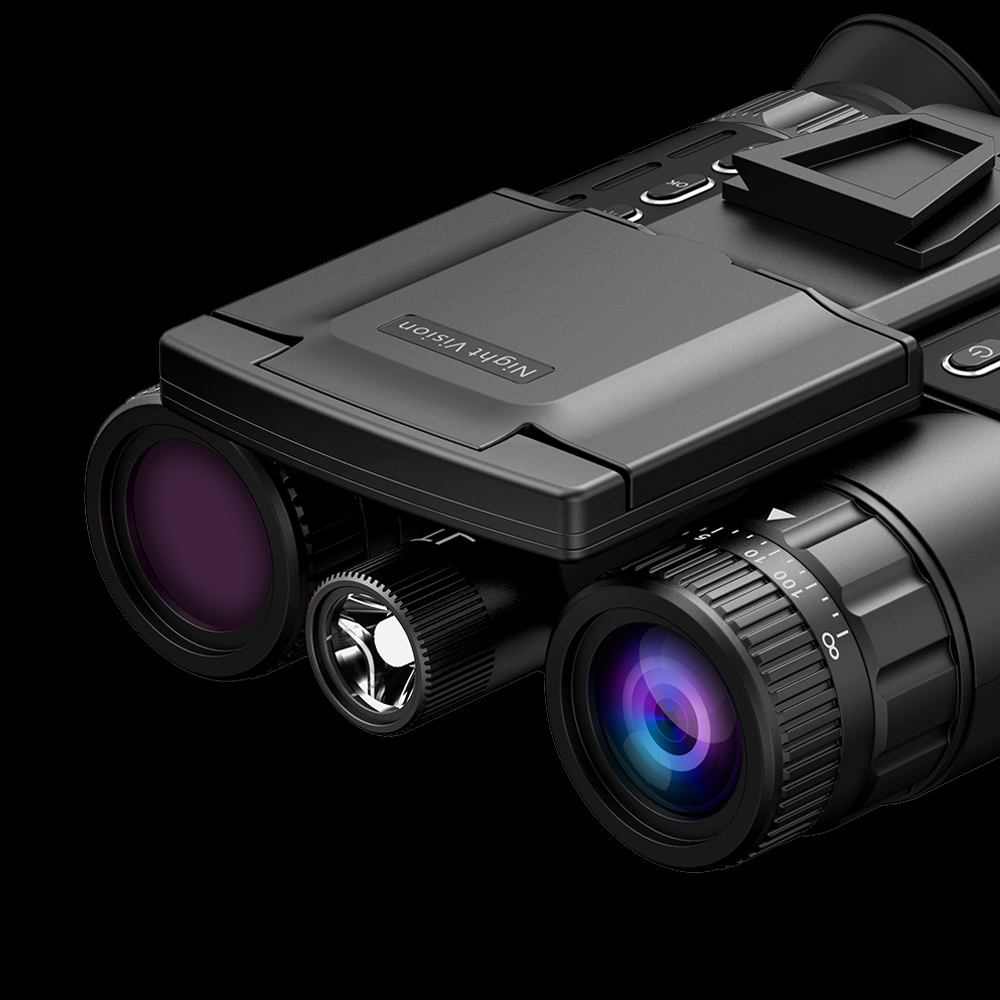
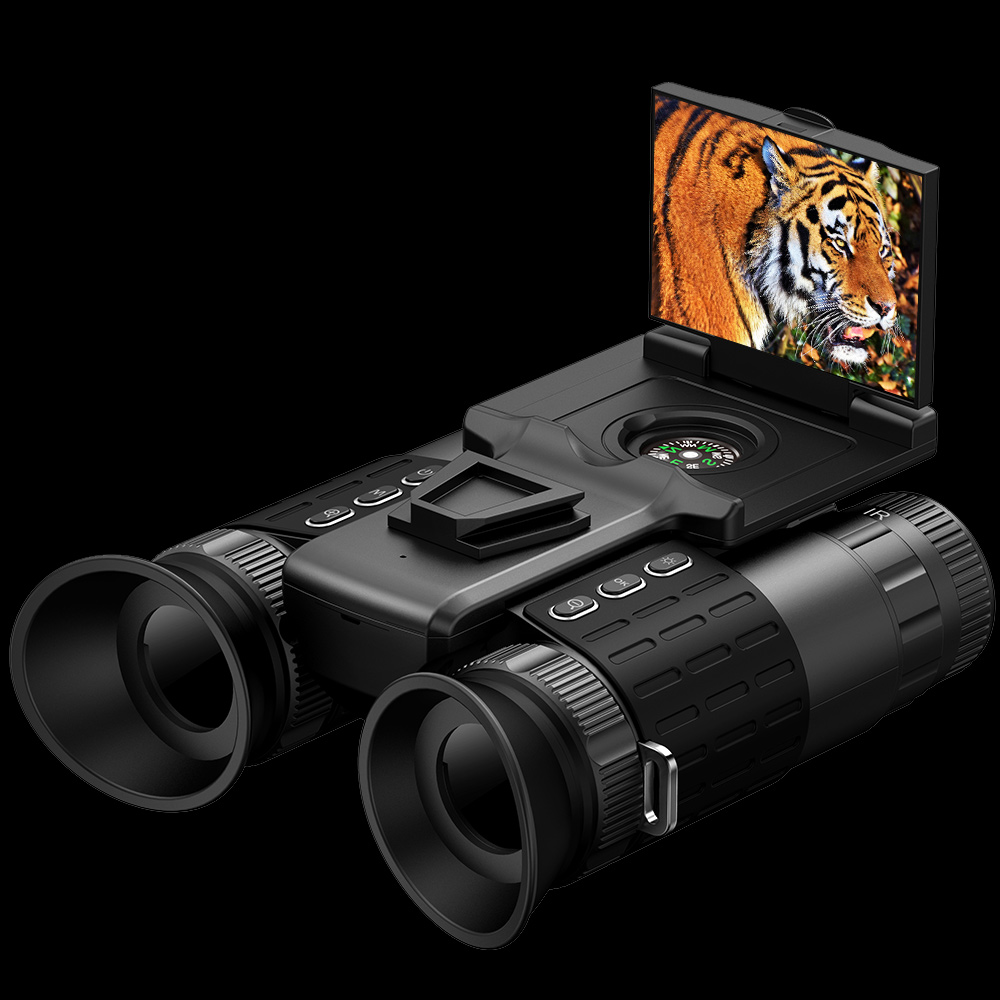
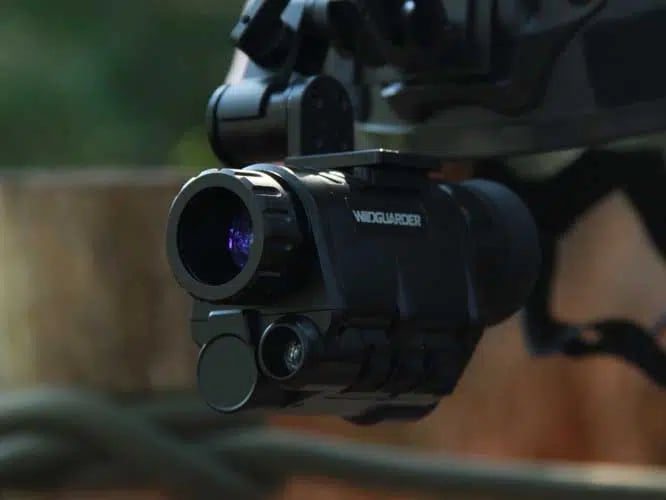
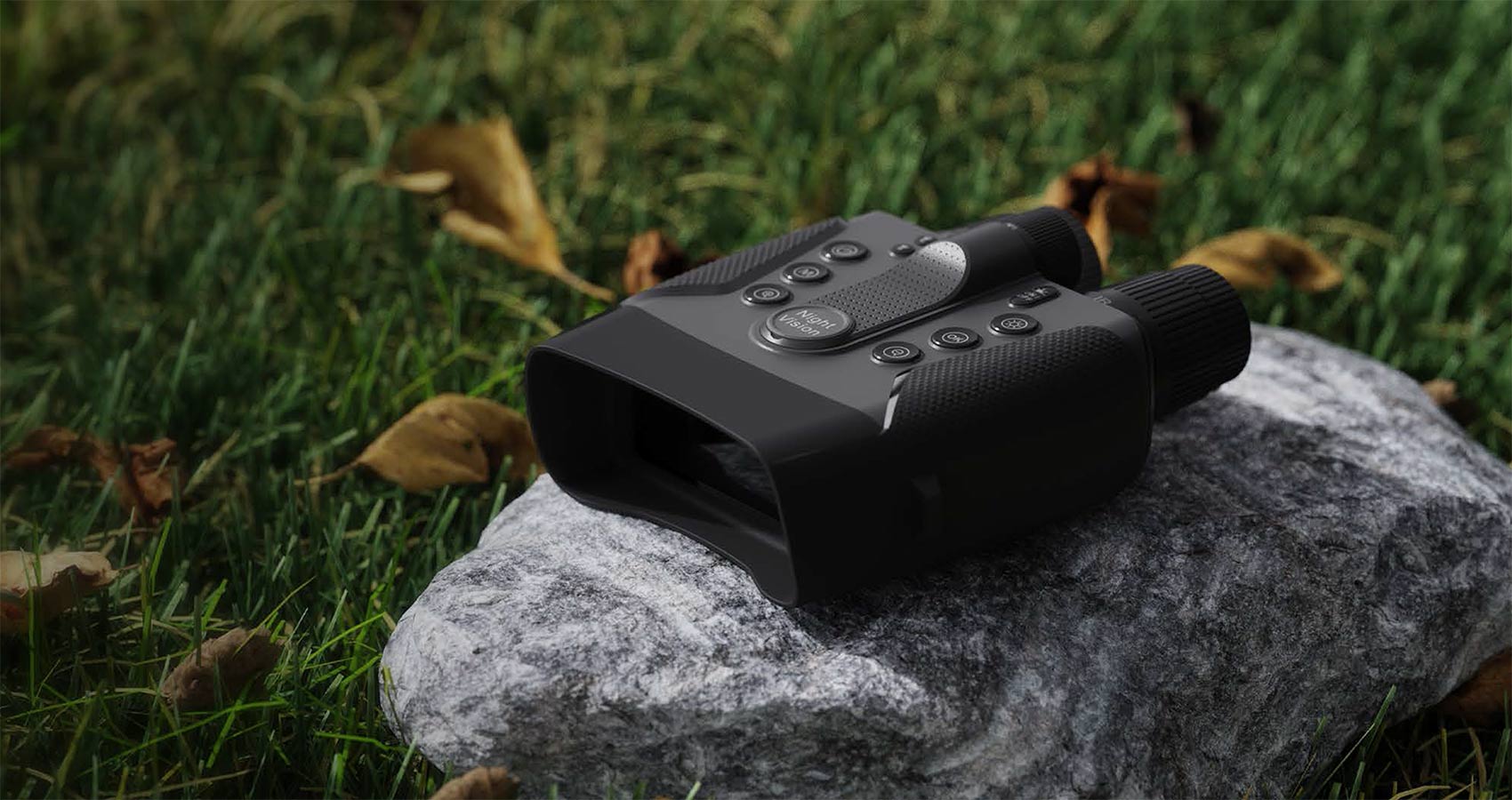
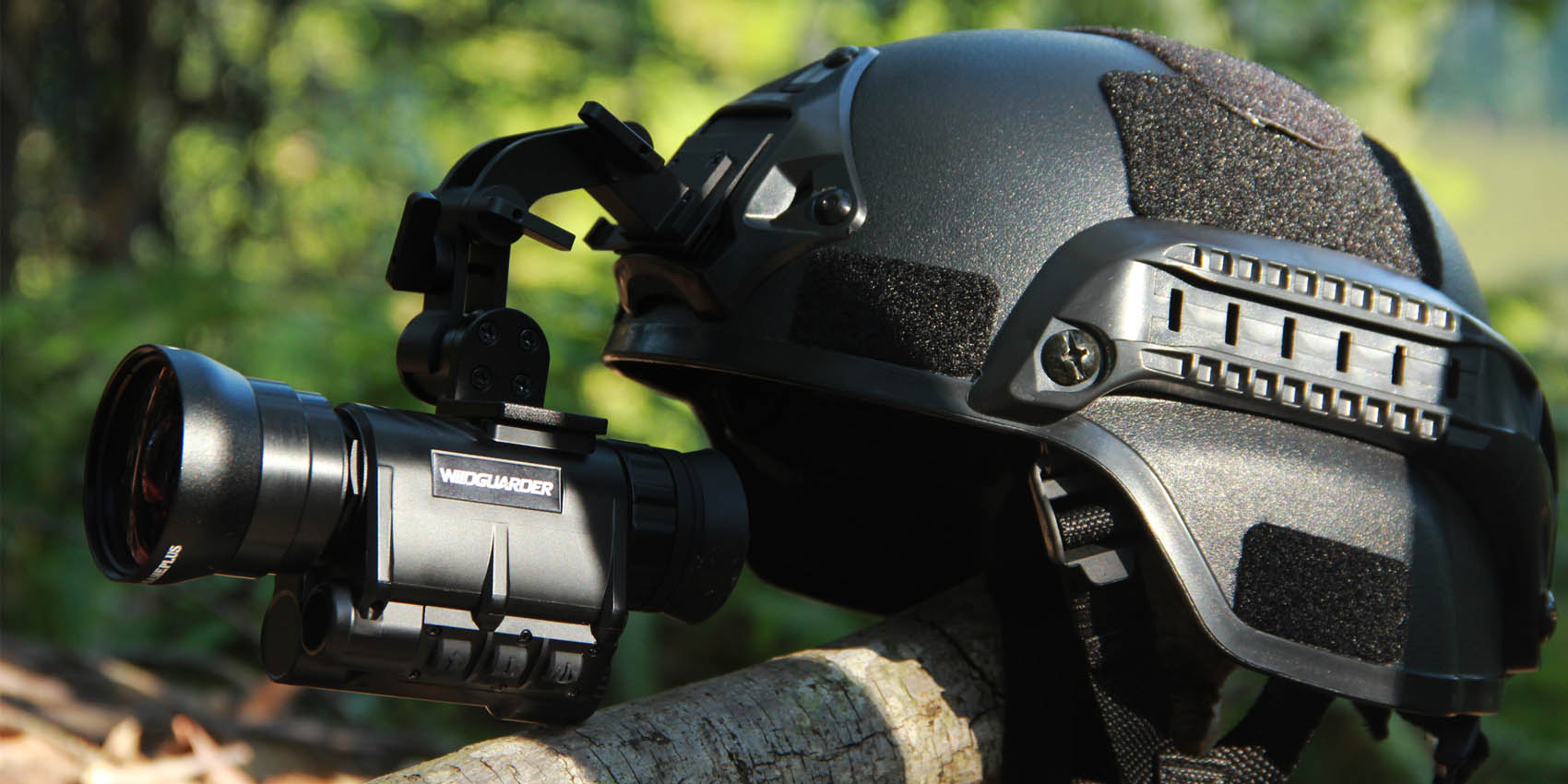
Start with the WildGuarder night vision binoculars category. The WG7500 listing describes a dual-display, head-mount-oriented design with adjustable IR. The WG9000 listing describes dual displays, 850 nm IR with seven levels, separate eye adjustment, and a current weather rating. Verify the exact configuration and included mounting parts on the live pages.
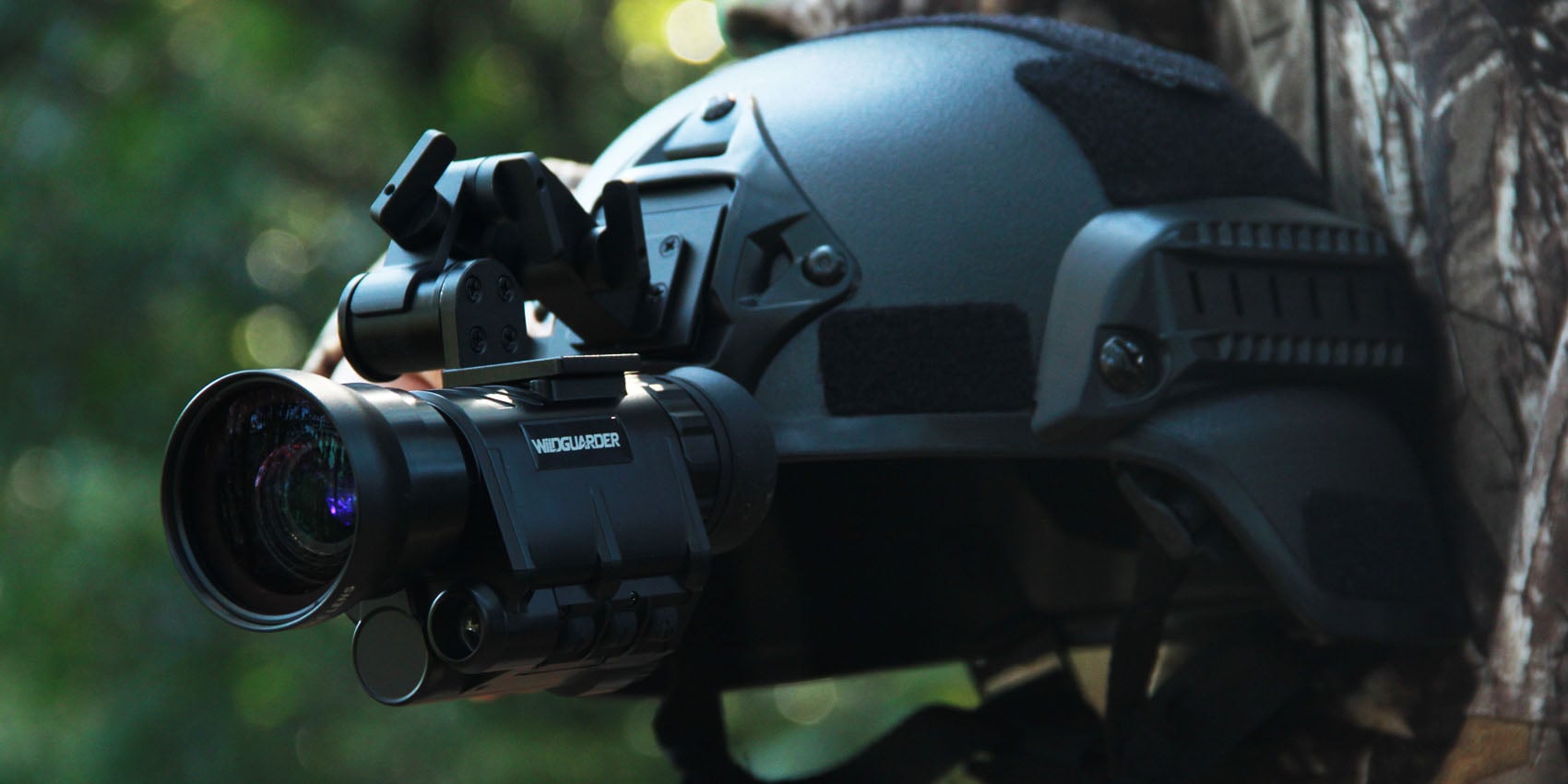
Use WildGuarder product support for current instructions and check the return policy before conducting a known-distance property test. WildGuarder also offers goggles, monoculars, rangefinders, thermal imagers, trail cameras, and solar accessories. Trail cameras handle unattended monitoring, while thermal devices address heat contrast; they should not be confused with reflected-IR binoculars.
Build a Property Observation Map
Draw the observation point and the main field features on one page. Add measured distances to the nearest fence, center of the opening, far tree line, road, neighboring boundary, livestock area, and any house or trail. Mark foreground vegetation that could reflect IR. This map turns a vague long-range goal into several testable decisions.
Assign a required result to each location. Near a gate, recognition may be enough. Near a public boundary, the user may need to stop observation rather than identify detail. At a livestock area, distinguishing deer from domestic animals may be essential. The device does not need to perform equally at every point, but the buyer should know which points matter.
Repeat the test in clear and humid conditions. Keep the device supported and use the same IR progression. A shorter range on a damp night is not necessarily a defect; it may reflect backscatter. The map also reveals whether a trail camera, a thermal imager, or improved site lighting would solve part of the problem more effectively.
Battery and Cold-Weather Planning
Deer observation often involves long periods of waiting. Keep the screen off between checks and avoid continuous recording. In cold weather, carry approved spare cells close to the body in an insulated protective case, but never loose with keys or metal objects. Built-in batteries should be charged with the specified equipment before leaving.
Record starting and ending charge during the trial. This produces a personal runtime estimate with the chosen IR level and screen brightness. Add a reserve rather than planning to complete depletion, especially when the device also stores time-sensitive observations.
FAQ
How do I choose night vision binoculars for nighttime nature observation?
Choose by measured target distance, required recognition detail, vegetation, weather, viewing duration, and whether recording matters. Prioritize focus, controllable IR, stable support, battery endurance, and a clear return route.
What should beginners avoid when buying infrared binoculars for nighttime nature observation?
Beginners often choose by maximum zoom or range, then overlook display comfort, foreground IR reflection, power consumption, and legal restrictions. Test at known distances from a safe fixed position.
How can I compare IR strength between two infrared binoculars?
Compare the same target at the same distance, in the same weather, with both devices supported. Record wavelength, output level, exposure, focus, and battery state. Brightness alone is not proof of greater usable detail.
How important is return policy when buying budget night vision binoculars?
It is important because real-world performance varies by property. Confirm the test window, item condition requirements, restocking or shipping terms, and whether outdoor testing is allowed before purchase.
Are infrared binoculars practical for deer hunting observation?
They can help observe deer from a stationary lawful position when IR reaches the subject and vegetation does not block the view. Local hunting and nighttime equipment rules still control what use is permitted.
What should I look for when buying infrared binoculars?
Check sensor and display detail, optical magnification, digital zoom, IR wavelength and levels, range definition, battery system, weather rating, storage, recording, support, warranty, and returns.
Do I need premium infrared binoculars for long-range observation?
Premium features are justified when they produce verified improvements in low-light detail, focus, exposure control, power, sealing, or support. A higher price alone does not guarantee longer identification range.
What does advertised range mean on infrared binoculars?
Advertised range may describe illumination or detection of a large target under favorable conditions. Ask what target was used and whether the result was detection, recognition, or identification.
Conclusion
Infrared binoculars for deer hunting observation should be selected from the property outward. Measure the scene, define the decision, compare wavelength and controllability, and test recognition at known distances. Verify weather protection, power, support, and local rules. A device that provides repeatable useful detail is a better choice than one supported only by a dramatic range figure.
Related Reading
- Night Vision Binocular IR Range Explained: How to Read Real-World Limits
- Understanding Night Sight Binoculars: What to Look For Before You Buy
- Binoculars and Night Vision Value Guide: Features That Matter Most
- Top 10 Things You Need to Know About Night Vision Binoculars
- Why Binoculars with Night Vision Infrared Glow Is Misunderstood: Common Causes and Practical Fixes
- Binoculars with Night Vision Explained: What It Means and How to Choose
- Binocular Night Vision Device Compared: Which Option Fits Your Use Case?
- What to Look for in Night Sight Binoculars: What Outdoor Users Should Know
- How Long Night Vision Binos for Cabin Security?
- Why Digital Night Vision Binoculars Recording Drains Battery: What Outdoor Users Should Know