


Military Binoculars with Night Vision: Real-World Battery Life for Primitive Camping

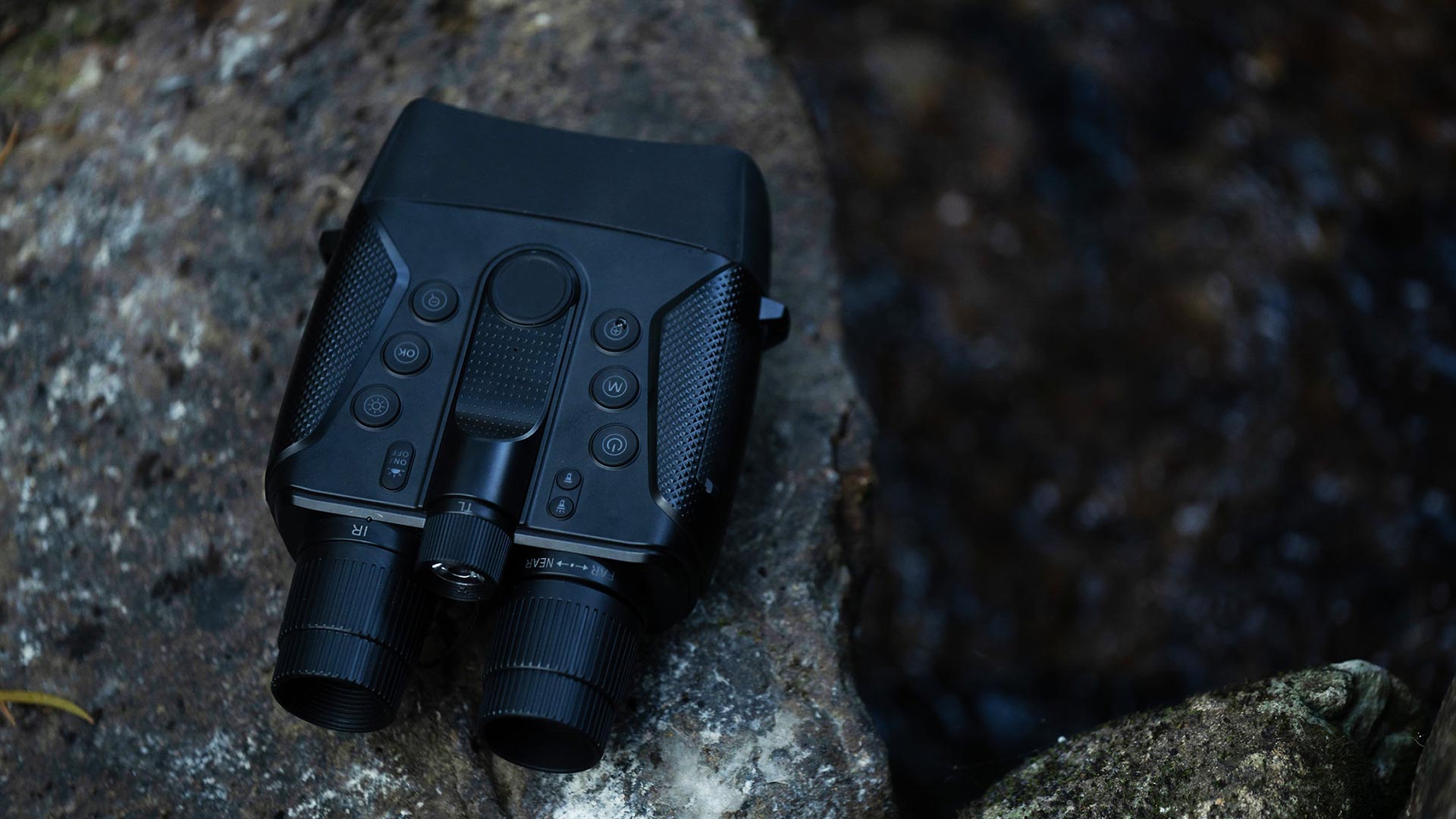
Quick Answer
For primitive camping, evaluate military binoculars with night vision by their documented power system and your planned workload, not the military wording. Plan each observation period, distinguish switched-on waiting from shutdown, and confirm any supported charging arrangement before leaving. Do not assume access to mains power or dependable solar replenishment. Keep essential lighting and communications independent, and be prepared to end optional viewing rather than stretch the equipment beyond its instructions.
Key Takeaways
- Budget observation time across the whole trip, not just the first evening.
- Match runtime evidence to illumination and recording use.
- Do not infer capacity, durability, or certification from military language.
- Confirm every proposed power accessory for the exact device.
- Keep a workable camp routine even if the viewer is unavailable.
Start with the Functions That Will Be Running
A camper may imagine a short viewing session but leave the display active while waiting for movement. They may also record longer clips than planned or repeatedly review them. These activities are part of the workload even when little wildlife is seen. An equipment plan should reflect them honestly.
Ask the supplier which functions were active during the stated runtime test. Viewing-only operation is not necessarily representative of illuminated recording. A capacity number alone cannot describe the complete device’s operating time, and two different systems should not be compared from a single battery label.
Use the simplest useful routine. If short purposeful observations answer the question, continuous operation may add little value. If continuous recording is essential, say so before buying. Do not choose equipment for one workload and later judge it as though a different workload had been promised.
Definition: Trip Endurance Is More Than Battery Runtime
Runtime describes operation under particular conditions. Trip endurance describes whether the complete supported setup can serve the planned activity over the outing. It includes initial preparation, powered intervals, storage between sessions, and any genuinely available approved charging method.
Primitive camping means you should not build the plan around conveniences that have not been confirmed. The equipment may be optional even when the trip lasts several nights. A sensible plan identifies which observations matter most and what you will do if power or conditions prevent them.
Military binoculars with night vision is a broad search phrase, not evidence of a tested military qualification. A consumer product’s power and environmental claims require their own documentation. The word does not add stored energy, prove weather resistance, or establish performance in an unspecified harsh setting.
One Device for Several Evenings
Before choosing a model, write down the intended observation windows. For each, state whether illumination or recording is likely to be needed and whether reviewing files can wait until home. Avoid precise battery calculations when the necessary consumption data are unavailable; a documented workload comparison is more honest than invented minutes.
Check whether supported sleep or shutdown behavior fits the routine. Restarting for occasional observations may be practical, but only the manual can tell you how the specific device behaves. Do not assume that a dark screen means the equipment has stopped using power.
The Parks Canada hiking preparation guidance is a useful planning reference for an outdoor trip. Your viewing schedule should fit the route and camp responsibilities. It should not determine whether you delay a return, skip appropriate lighting, or neglect changing conditions.
Primitive-Camp Power Checklist
| Planning area | Question before departure | Conservative decision |
|---|---|---|
| Initial preparation | Has the device been prepared by its approved method? | Verify normal operation in a convenient setting |
| Observation windows | Which sessions are essential and which are optional? | Keep the most useful tasks explicit |
| Workload | Will illumination, capture, or review be active? | Compare the relevant runtime conditions |
| Waiting | Is supported shutdown or sleep practical? | Avoid assuming idle time is free of power demand |
| Replenishment | Is a compatible approved method actually available? | Do not depend on an unverified accessory or power source |
| Fallback | Can the trip continue without the viewer? | Keep ordinary safety functions independent |
An Evening When the Plan Changes
A camper expects a quiet observation near camp, but the view becomes less useful as conditions change. They spend longer adjusting than watching and realize the powered period is growing. The right response may be to stop, note the conditions, and preserve the remaining equipment availability for another planned session.
That decision is easier when the viewer is not needed for navigation or routine lighting. Lower it before moving, stow it securely, and handle ordinary camp tasks with appropriate equipment. An optional optical activity should remain optional.
If a device behaves abnormally, do not investigate by opening its power system at camp. Keep the model and symptom details for support. Never treat a makeshift cell, altered cable, or unsupported external supply as a normal way to extend the trip’s observation time.
Carry and Store the Complete Setup Sensibly
Check the load before the trail
Assess the viewer, case, approved power items, and any documented support as one carrying load. A strap should be suitable for the equipment and used as instructed. A heavy or poorly balanced arrangement can make you less willing to stop and observe, regardless of the device’s advertised capability.
Protect the equipment between sessions
Follow care and storage instructions for moisture, dirt, and temperature limits. Do not leave controls pressed inside a tight case. Check that ports and covers are handled as required, and avoid improvising a heating or drying method when condensation or moisture affects the view.
Treat battery changes as a documented procedure
Use only the power arrangement approved for the exact model. The CPSC warning about separated lithium-ion cells is relevant to suggestions involving repurposed loose cells. An electrical workaround is not a sound substitute for choosing a setup that fits the trip.
Compare Supported Options Before Ordering
Use WildGuarder’s night vision binocular range to identify candidates, then review individual information for the WG6300 and WG6500 against your power plan. The links do not assign a shared battery type, runtime, or military qualification to those products.
Ask WildGuarder product support about the actual workload and compatible accessories. Read the return terms before planning an evaluation. Keep the supplier’s explanation attached to the exact model so a general answer does not become an assumed specification.
WildGuarder also offers night vision goggles, range finders, trail cameras, thermal imagers, and solar panel accessories. A solar panel category does not establish that a panel can charge your binoculars, nor that conditions will provide dependable replenishment. Confirm the complete supported connection and keep an independent fallback.
FAQ
Can I use night vision binoculars without IR under starlight?
Some devices may provide a useful view without their illuminator when enough usable light is available. The result depends on the exact system and scene. Do not assume starlight guarantees detail, and remember that a powered viewer can still consume electricity while its illuminator is off.
Can a neck strap handle heavy digital night vision binoculars?
Only if the strap and attachment arrangement are suitable for the device and used as instructed. Assess comfort and security with the complete load before travel. Do not rely on an unsuitable strap simply because it can hold the equipment for a brief moment.
What are the most common unrealistic expectations about digital night vision binoculars?
Common mistakes include expecting identification at every advertised distance, assuming digital enlargement creates missing detail, and treating a viewer as navigation equipment. Another is applying a viewing-only battery claim to a different workload. Match expectations to the actual documented setup.
Are night vision binoculars good for coyote observation?
They can assist responsible observation from an appropriate position, but they do not make approaching wildlife safe. Do not lure or follow an animal for a better view. Keep a distant uncertain observation at the level the image supports.
What does 'starlight sensor' mean on digital night vision binoculars?
It is a low-light capability description that needs model-specific evidence. It does not prove unlimited passive performance or eliminate battery demand. Ask what conditions and examples support the phrase before relying on it for an extended trip.
Which specifications matter least when shopping for digital night vision binoculars for camping?
Specifications unrelated to the intended camp routine should have less influence. Very large digital enlargement or numerous capture modes may be less useful than simple operation and suitable power. Choose the essentials first and avoid carrying extras without a defined role.
Which features are worth paying more for in digital night vision binoculars for farm and ranch observation?
Pay for documented improvements that matter at the ranch viewpoint, such as useful scene detail, manageable controls, and appropriate recording. Evaluate power under the planned workload. A rugged-sounding label is not evidence of a feature worth paying for.
What compromises should I expect from cheaper digital night vision binoculars for camping?
Possible compromises include handling, low-light detail, accessory support, and documentation. The exact product must be assessed rather than assuming every inexpensive device shares the same limits. A modest setup can suit a modest task when its instructions and evidence are clear.
Conclusion
Plan military binoculars with night vision as documented consumer equipment unless specific evidence establishes otherwise. Match power to the whole camping routine, keep essential functions independent, and avoid unsupported charging assumptions. Explore WildGuarder Official Store options with that plan in hand so the purchase serves the trip rather than complicating it.
Related Reading
- Night Vision Binoculars for Sale Battery Life Explained: What to Expect Before You Buy
- Why Digital Night Vision Binoculars Recording Drains Battery: What Outdoor Users Should Know
- How Long Night Vision Binos for Cabin Security?
- How to Use for Camping IR Night Vision Binoculars for Family Camping?
- How to Use Goggles Night Vision for Backcountry Camping
- Night Vision Binocular IR Range Explained: How to Read Real-World Limits
- Binoculars and Night Vision Value Guide: Features That Matter Most
- Understanding Night Sight Binoculars: What to Look For Before You Buy
- Binoculars with Night Vision Explained: What It Means and How to Choose
- Top 10 Things You Need to Know About Night Vision Binoculars


 Night Vision Binoculars


 Night Vision Goggles


 Night Vision Monoculars


 Long Range
 With Rangefinder
 Full Color
 Head-Mounted
 Large Screen
 WiFi App
 3D Naked Eye
 Multi-Color
 Flashlight
 Compact Size
 Thermal Imaging Monoculars

 Trail Cameras


 Rangefinder Binoculars


 Rangefinder with Night Vision


 Spotting Scope

 Monoculars

 Digital Binoculars Cameras


 Time Lapse Cameras


