


Military Night Vision Binoculars for Sale: Real-World Battery Life for Outdoor Exploration

Quick Answer
When comparing military night vision binoculars for sale, evaluate battery life through the work the device will actually do. Viewing, illumination, recording, display settings, and waiting with the electronics running can create different workloads. The word military does not establish runtime or certification. Ask for the exact model’s approved power system and the conditions behind its runtime claim, then plan an observation session that can end safely before power becomes a problem.
Key Takeaways
- Separate time outdoors from time the viewer is switched on.
- Compare runtime claims only when their operating conditions are stated.
- Account for waiting, menu checks, and reviewing recordings, not just active viewing.
- Keep route lighting and essential communications independent of the observation device.
- Use supported batteries and charging equipment rather than an improvised power solution.
Ask for a Runtime Description, Not Just a Number
A property owner may spend an evening outside but look through binoculars only at a few planned stops. Another user may keep the screen on while waiting for movement. Those sessions can feel equally long while asking very different things of the equipment. A single headline runtime cannot explain both unless its test conditions are supplied.
Before buying, ask whether the quoted result includes illumination and recording, what display setting was used, and how the endpoint was defined. A device that remains powered but no longer supports a useful observation has not necessarily met your practical requirement. Keep the original claim and the seller’s explanation together.
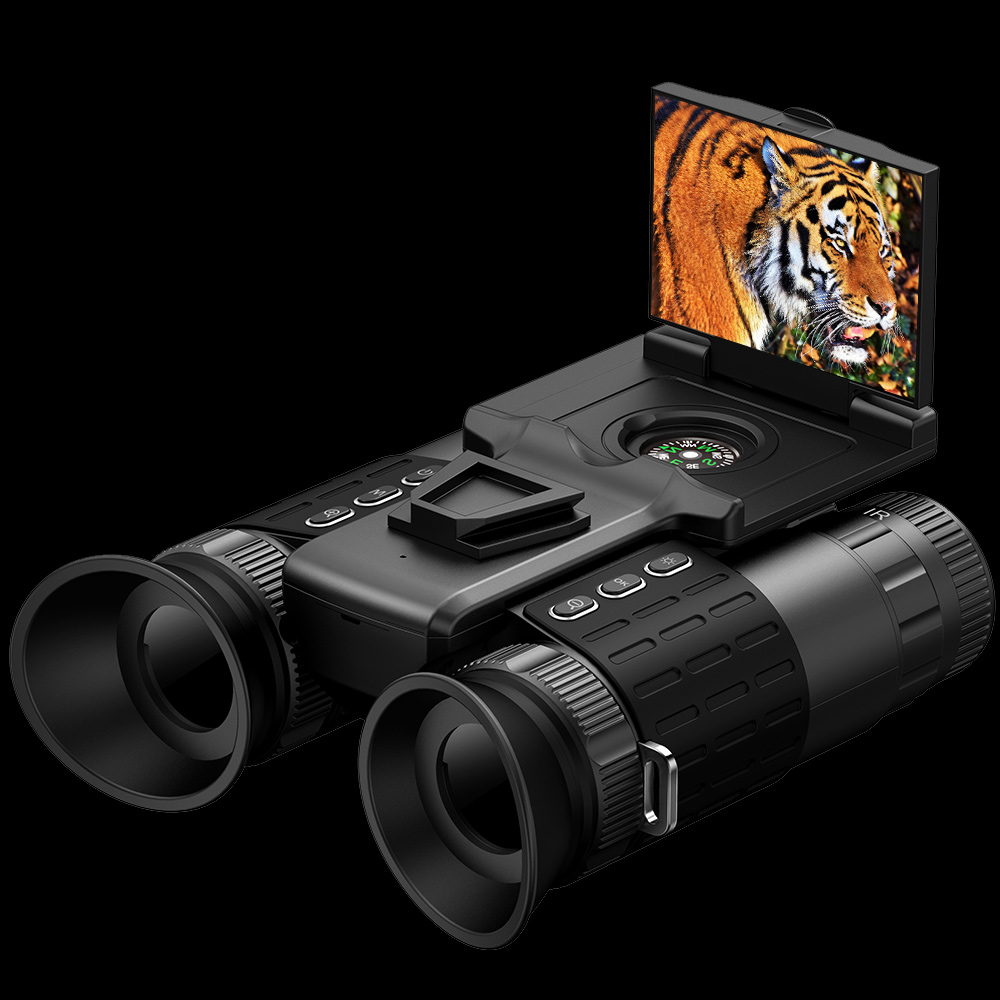
Review the individual listing and applicable instructions through the WildGuarder night vision binocular category. The Hawknite 1 product page and WG6500 information are possible starting points for a documented comparison, not a declaration that their power systems or runtimes are the same.
Definition: Battery Capacity, Runtime, and Session Length
Battery capacity describes stored electrical charge or energy under specified conditions. Runtime describes how long a device operates in a particular workload. Session length is the time you spend on the activity, including periods when the device may be off. These terms are related, but substituting one for another makes a shopping comparison unreliable.
Capacity figures expressed in different units or at different voltages are not automatically comparable. Even apparently similar capacity does not guarantee similar operating time in two different devices. For a buyer, the most useful evidence is a clearly described operating test matched to a familiar use pattern, alongside the approved charging instructions.
Military night vision binoculars for sale is also a broad search description. Consumer equipment should not be treated as military-qualified because a listing uses that wording. Ask for any claimed standard and model-specific evidence separately from the power discussion. Neither a housing color nor a strong adjective supplies that evidence.
A Property Owner’s Evening Walk
Suppose an owner plans three authorized observation stops along a familiar route. At the first, there is enough ambient light to assess a stationary scene. At the second, the device’s supported illumination is needed. At the third, the owner records a short clip and reviews it. The plan includes a normal walking light and a fixed return time.
That routine is easier to evaluate than an undefined promise to observe all night. The owner can note each powered interval and whether recording or illumination was active. If a session ends early, the notes help separate a changed workload from a possible battery or charging problem. They are observations, not a laboratory certification.
Do not conduct a comparison by repeatedly running equipment into an unexpected shutdown away from home. Establish the ordinary operating routine in a controlled, convenient setting first. Leave margin for changing plans, and do not assume a remaining-power indicator predicts exact minutes in every mode.
Where the Workload Comes From
Illumination is a separate demand
When an infrared illuminator is operating, it is part of the electrical workload. The appropriate setting depends on the supported controls and scene, not a rule to keep it at maximum. A bright foreground reflection can make the image less useful even while the device is doing more work. Judge the view rather than the setting number.
Recording changes the activity
Capturing and storing video involves more than simply looking at a scene. The effect on runtime is model dependent, so request relevant evidence instead of assuming a fixed percentage penalty. Decide whether continuous capture is necessary or whether short purposeful clips would serve your observation better.
Waiting is not automatically standby
A viewer left switched on while you talk or wait may still be operating its display and imaging system. Check the manual for supported sleep or shutdown behavior. Do not assume a darkened screen means every component has stopped using power, or that an automatic feature exists merely because another product has one.
Build a Small Workload Diary
Use a few ordinary sessions to record start condition, powered periods, major settings, and the point at which you stop. Keep the same definition of a useful session each time. If you change recording behavior or use the device in substantially different conditions, note the change rather than treating the results as directly interchangeable.
For charging, follow the exact instructions and avoid loose or repurposed cells. The CPSC warning about separated lithium-ion cells explains why an improvised battery source is not a sensible runtime upgrade. A device that cannot complete your essential task with approved power may simply be the wrong choice for that task.
Battery Performance Factor Table
| Part of the session | Question to record | Decision it supports |
|---|---|---|
| Starting condition | Was power prepared by the documented method? | Whether a comparison starts from a consistent point |
| Active viewing | How long was the imaging system actually running? | Whether outing length overstates powered time |
| Illumination | Which supported setting was used? | Whether a headline runtime represents your darker scene |
| Recording and review | Were clips captured or repeatedly replayed? | Whether the workflow differs from a viewing-only claim |
| Waiting | Was the device off, asleep, or fully running? | Where unnecessary operating time may occur |
| Session end | Did you stop deliberately or lose useful operation? | Whether you need a different plan or support |
Choose Support Before Adding Accessories
If results seem inconsistent, send your model details and workload diary to WildGuarder product support. Ask which observations would help diagnose the issue without dismantling the product. Check the return policy while comparing options, rather than assuming that outdoor use or an altered power arrangement will fit every return condition.
The FTC online-shopping guide is a useful purchasing reference for reviewing the seller and terms. It does not validate a particular product’s runtime. Your practical acceptance question remains whether the documented equipment can support the observation you have planned.
WildGuarder offers night vision goggles, range finders, trail cameras, thermal imagers, and solar panel accessories as well as binoculars. A trail camera may serve unattended recording, while handheld equipment serves active observation. A solar panel accessory is not a universal charger: compatibility and the supported connection must be confirmed for the exact device.
FAQ
Which specifications matter least when shopping for digital night vision binoculars for camping?
Features you will not use should not dominate the purchase. Very large enlargement or a long menu of capture modes may matter less than comfortable controls and an understandable power system. Choose around a realistic camp routine rather than trying to maximize every advertised figure.
How far can infrared binoculars see without moonlight?
There is no single distance. A digital viewer may rely on its illuminator when usable ambient light is scarce, and the scene still determines visible detail. Ask what the range claim represents. Detecting a shape does not prove that its identity can be established.
Can I charge the battery inside the night vision binoculars?
Only when the exact model supports charging inside the device and you follow its specified connection and procedure. Do not assume a power port charges every installed battery type. If the instructions are unclear, confirm with support before connecting equipment.
How does an IR-cut filter affect digital night vision binoculars?
An IR-cut filter changes infrared light reaching the sensor and can be part of switching between day and night operation. The supported behavior is product specific. Select modes as instructed instead of treating a dark image as a reason to adjust internal parts.
How far is realistic for property observation with digital night vision binoculars?
Base expectations on a known authorized viewpoint and the detail you need to recognize. Request comparable examples and keep privacy boundaries clear. A handheld viewer provides a limited observation, not continuous coverage or a complete security guarantee for a property.
What does 'starlight sensor' mean on digital night vision binoculars?
It is commonly used to describe a low-light imaging claim, but it does not specify the complete performance of a device. Ask what evidence supports it and under which conditions. It also does not mean that the equipment operates without electrical power.
Which features are worth paying more for in digital night vision binoculars for property monitoring?
Pay more only for a documented improvement that serves your routine, such as useful recording, clearer operation, or suitable power. A longer feature list alone is not sufficient. Compare the full setup cost and the unanswered questions before moving to a higher tier.
Which features are worth paying more for in digital night vision binoculars for farm and ranch observation?
Prioritize functions that help from your actual ranch viewpoint: usable scene detail, manageable controls, supported power, and reliable file handling where needed. Do not pay for a supposed rugged or military capability without model-specific evidence that it meets the conditions you face.
Conclusion
A good battery decision begins with a clear description of your evening, not an adjective in a listing. Document the workload, use approved power, and keep essential outdoor functions independent. Compare WildGuarder Official Store options against those needs and resolve the remaining questions before committing to a viewer for longer observation sessions.
Related Reading
- Night Vision Binoculars for Sale Battery Life Explained: What to Expect Before You Buy
- Why Digital Night Vision Binoculars Recording Drains Battery: What Outdoor Users Should Know
- How Long Night Vision Binos for Cabin Security?
- How to Use for Camping IR Night Vision Binoculars for Family Camping?
- How to Use Goggles Night Vision for Backcountry Camping
- Night Vision Binocular IR Range Explained: How to Read Real-World Limits
- Binoculars and Night Vision Value Guide: Features That Matter Most
- Understanding Night Sight Binoculars: What to Look For Before You Buy
- Binoculars with Night Vision Explained: What It Means and How to Choose
- Top 10 Things You Need to Know About Night Vision Binoculars


 Night Vision Binoculars


 Night Vision Goggles


 Night Vision Monoculars


 Long Range
 With Rangefinder
 Full Color
 Head-Mounted
 Large Screen
 WiFi App
 3D Naked Eye
 Multi-Color
 Flashlight
 Compact Size
 Thermal Imaging Monoculars

 Trail Cameras


 Rangefinder Binoculars


 Rangefinder with Night Vision


 Spotting Scope

 Monoculars

 Digital Binoculars Cameras


 Time Lapse Cameras


