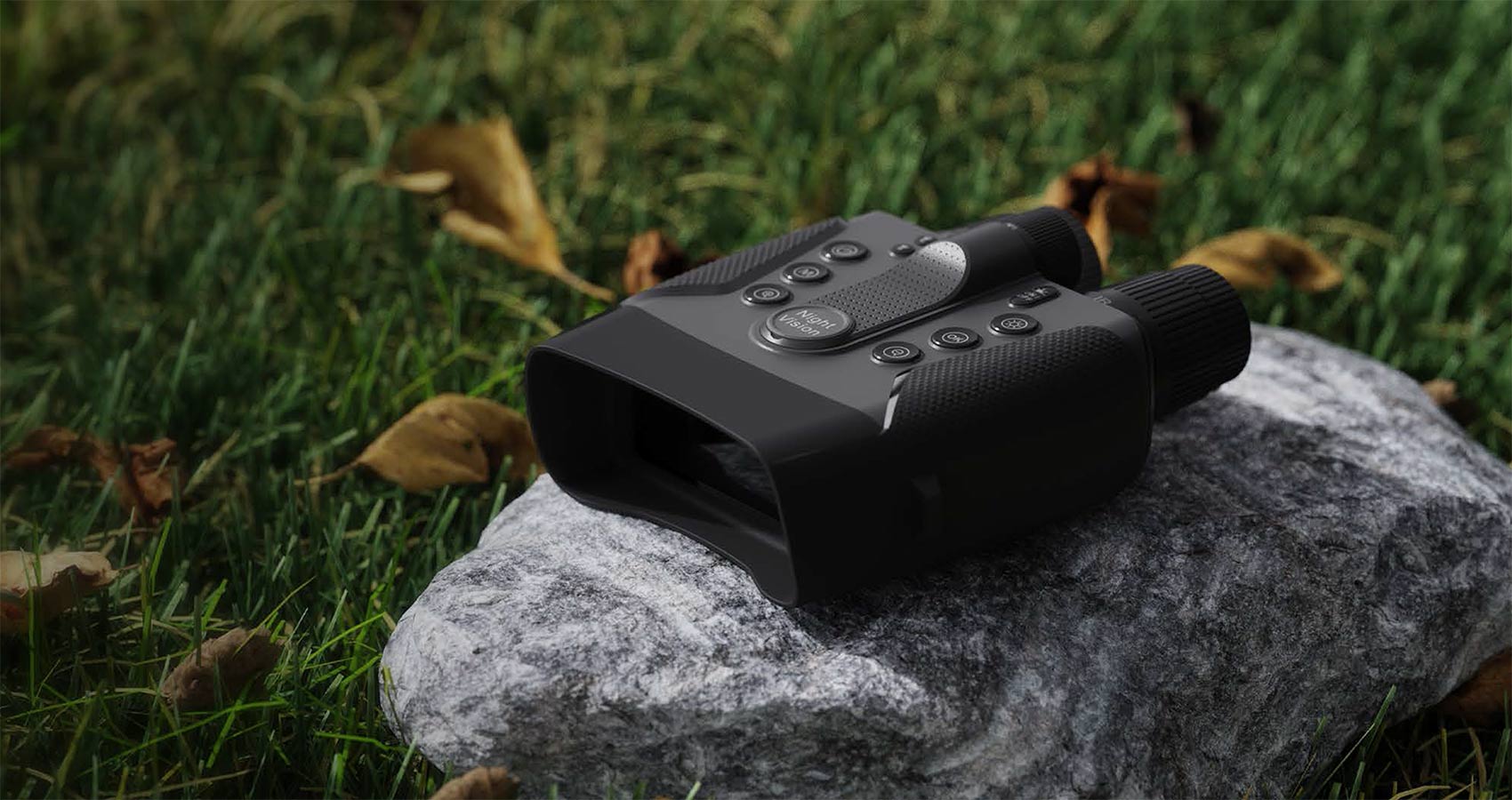


Night Vision Binoculars for Sale Battery Life Explained: What to Expect Before You Buy

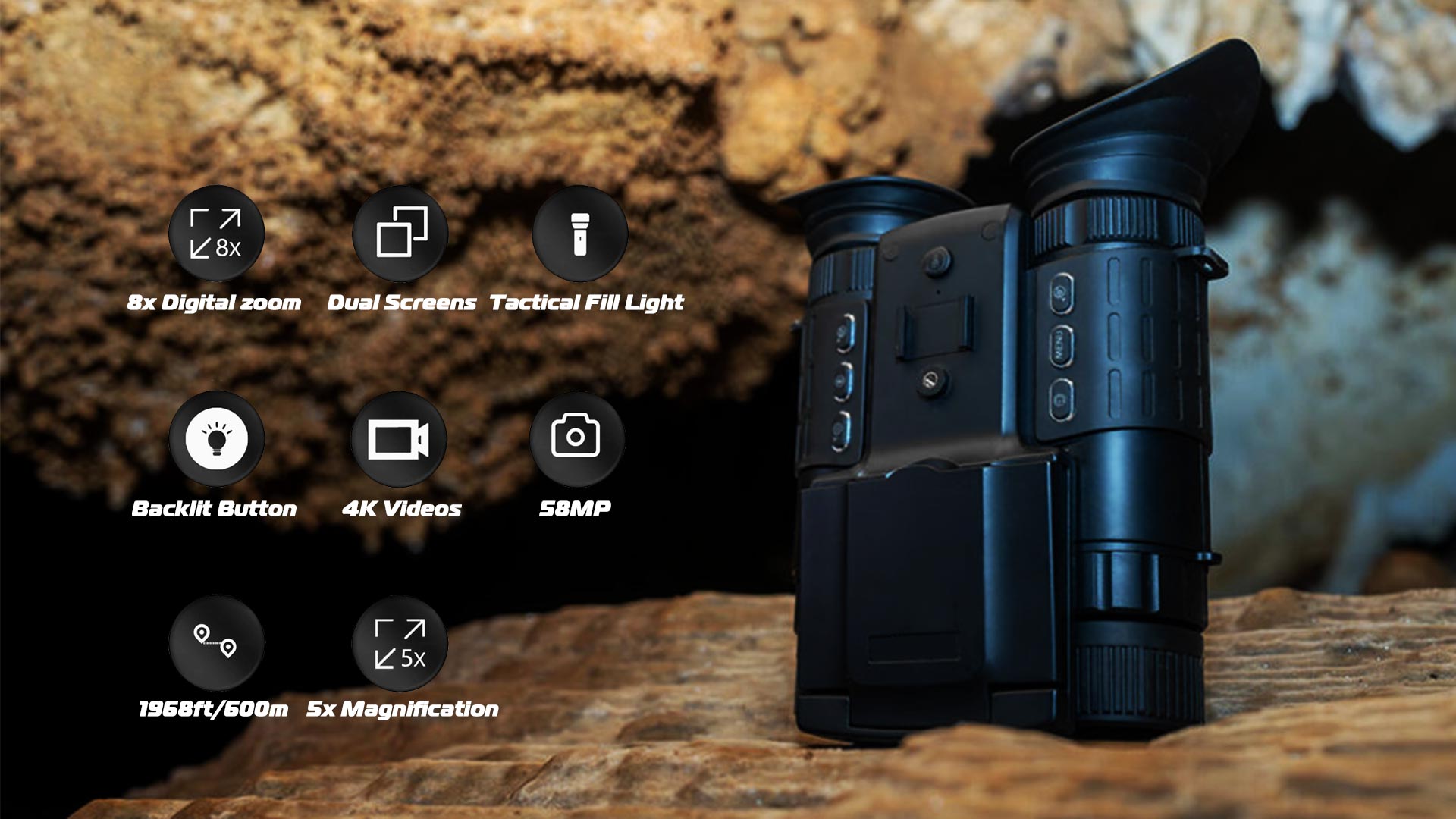
Quick Answer
Battery life is a major buying difference among night vision binoculars for sale, but a capacity figure alone cannot tell you how long a unit will run. Infrared output, recording, screen settings, temperature, and standby behavior change consumption. For family camping, compare runtime under a stated nighttime workload and plan a charging reserve for the second evening.
Plan for Two Evenings, Not One Demonstration
A wildlife watcher may use the binoculars briefly after dinner, return for another look later, and hand them to a family member before bed. The next evening can begin with a partly depleted battery even though no single session felt long. Add playback and forgotten standby time, and the practical workload looks very different from a continuous daytime demonstration.
Write down the observation periods you actually expect. Three twenty-minute sessions add up to an hour of active viewing. That is a planning example, not a runtime claim for any product. Add time for setup and playback, then decide where recharging can happen. A dependable place to charge can matter more than a small difference in advertised capacity.
Keep a separate light for walking back to the tent. Preserving the binocular battery should never depend on using the display as your only way to navigate. Put the unit away before crossing uneven ground, and make the last viewing session short enough to finish packing calmly.
Definition: Capacity, Runtime, and Charging
Capacity describes stored charge or energy. Runtime describes how long the complete device performs a specified task. Charging time describes how long a compatible power source takes to replenish it under stated conditions. These terms are connected, but they are not interchangeable.
Milliamp-hours can help compare batteries only when voltage and other conditions are comparable. Watt-hours express energy more directly. For example, a hypothetical 4.5 Ah battery at a nominal 3.7 V represents about 16.7 Wh. Usable runtime still depends on device consumption, conversion losses, and cutoff behavior. This arithmetic is an illustration, not a specification for a WildGuarder model.
A battery indicator is also not a laboratory meter. The display may move unevenly as the device operates. Treat it as a useful warning and combine it with your own session log rather than assuming half the bars always means exactly half the runtime remains.
What Uses Power During Night Viewing?
Infrared illumination changes the workload
In a dark field, an illuminator supplies light that the sensor can detect. NASA’s explanation of reflected near-infrared helps distinguish that process from thermal imaging. Turning up the illuminator generally increases the power demand. A runtime measured with infrared off therefore does not describe continuous use at maximum illumination.
Begin with the lowest setting that provides usable detail. This can reduce unnecessary consumption and close-range glare. It does not mean that every scene will work with infrared disabled. Dense shade or a moonless field may need illumination even when another part of the campsite has enough ambient light.
Recording and displays add their own demands
Recording adds processing and storage activity, while display brightness and wireless features can change the load. The exact effect varies by design. Ask for an operating test with the features you intend to use instead of transferring a runtime claim from a different mode.
Auto-off settings can prevent an unused device from staying awake, but an unexpectedly short timer can interrupt an observation. Learn whether the timer responds to button activity, viewing position, or another condition. Test that behavior at home, especially when children may put the binoculars down without switching them off.
Key Takeaways
- Compare runtime with infrared and recording settings stated.
- Separate active observation from standby and playback in your plan.
- Confirm the exact charging input and whether operation while charging is supported.
- Use the battery system specified for the model rather than substituting loose cells.
- Repeat your normal evening routine before relying on the equipment away from home.
Ask the Seller Questions That Produce Useful Answers
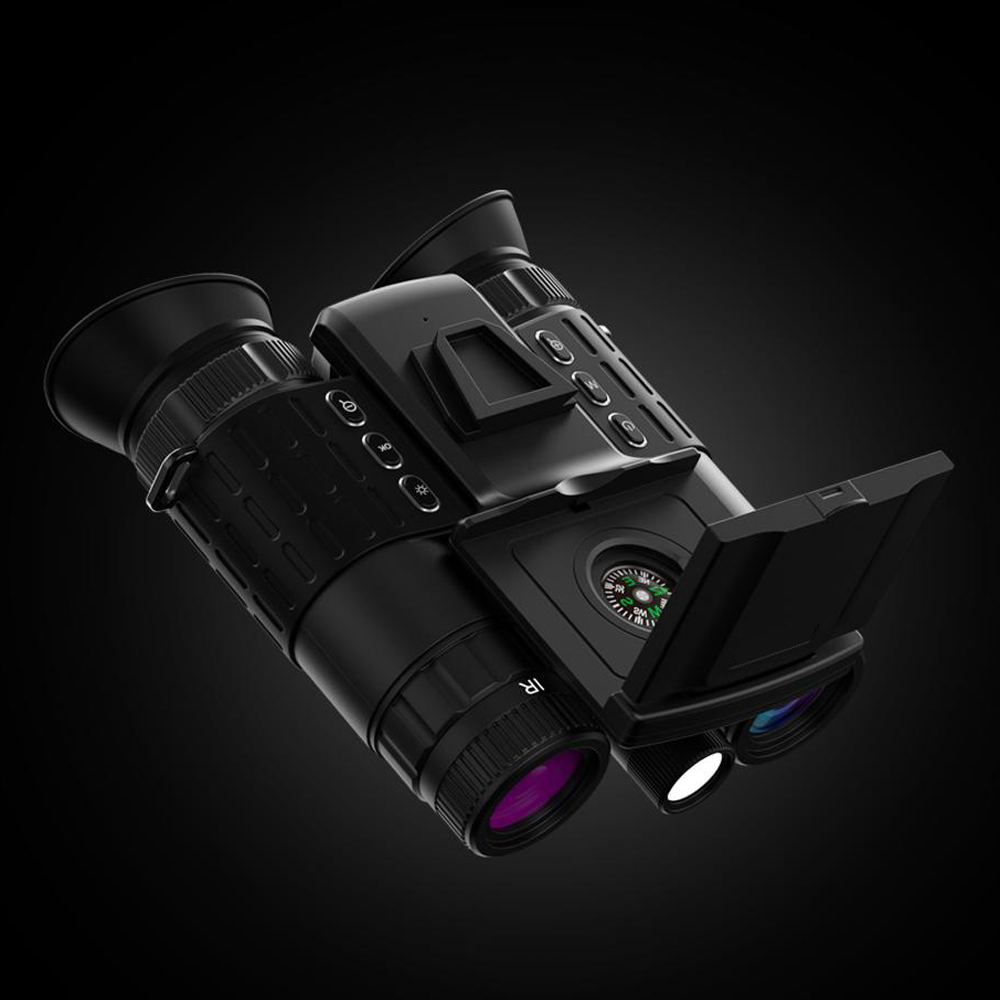
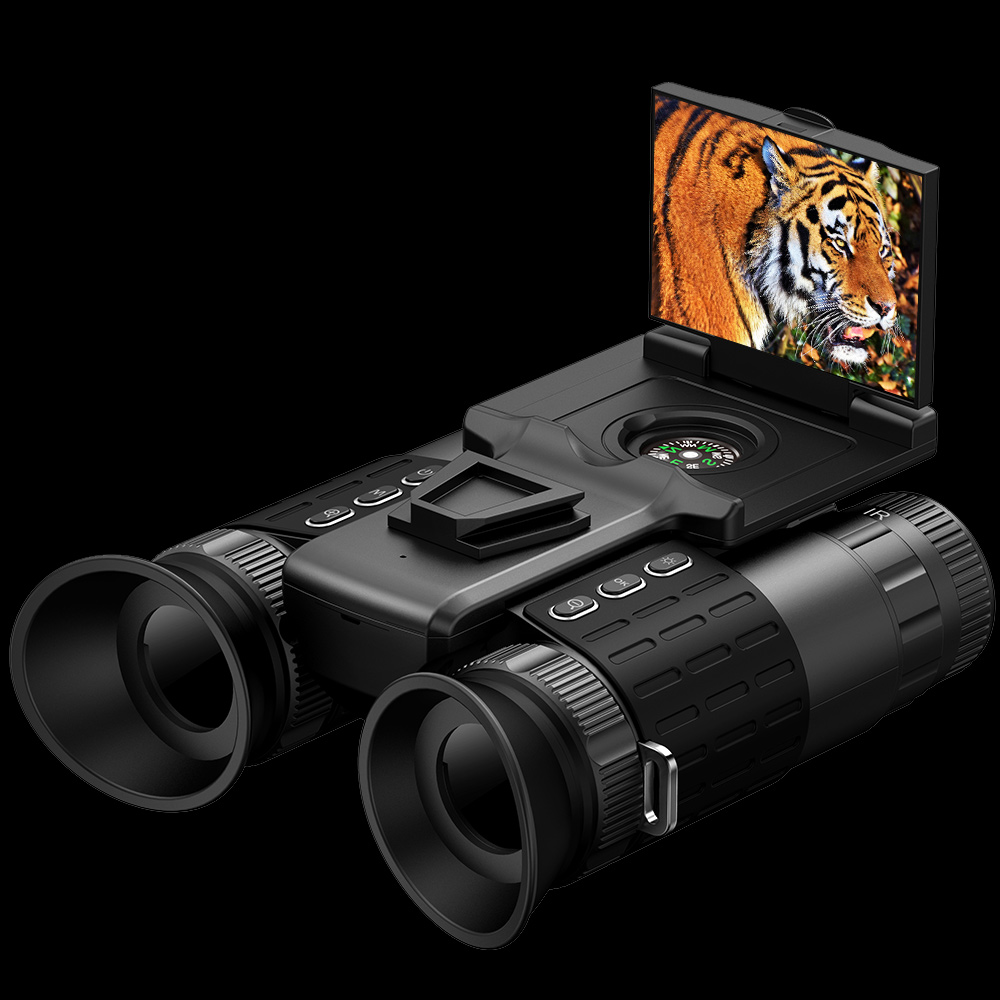
The WildGuarder WG9185 product page lists a built-in rechargeable battery and USB-C connectivity. The WG9300 listing describes a different battery and viewing system. Those descriptions establish a comparison starting point, not a measured winner. Different electronics can consume different amounts of power even when the battery figures appear close.
Ask WildGuarder support for the nighttime runtime conditions of the exact version you are considering. Useful details include infrared level, screen brightness, recording state, ambient temperature, and how the endpoint was defined. Also ask whether the battery is user-replaceable and what service options apply if capacity declines.
WildGuarder offers night vision binoculars and night vision goggles as part of an outdoor range that also includes range finders, trail cameras, thermal imagers, and solar panel accessories. Their power requirements are not universal. A solar accessory intended for a trail camera should not be treated as a compatible binocular charger simply because both products carry the same brand.
If you are considering outdoor solar and power accessories, verify output voltage, connector, charging protocol, and manufacturer approval for the receiving device. Sunlight availability is variable, so do not make an untested panel your only way to prepare for the next night’s observation.
Battery Comparison Table
| Comparison item | Question to ask | Why it matters at camp |
|---|---|---|
| Nighttime runtime | Which IR level and recording mode were used? | Makes the workload comparable |
| Battery construction | Built-in pack or specified replaceable battery? | Determines your backup options |
| Charging input | Which charger and cable are approved? | A matching plug alone is insufficient |
| External power | Can it operate while charging? | Prevents assumptions about extended sessions |
| Power saving | What triggers sleep or shutdown? | Balances convenience with reserve |
| Temperature limits | What are the operating and charging limits? | Cold-night use and charging need separate checks |
Run a Repeatable Test Before Traveling
Charge the device according to its instructions, then use the same screen brightness and infrared setting for a normal observation session. Note the start time, end time, recording minutes, and battery indicator. Repeat after a similar rest period. The purpose is to learn whether your planned routine fits, not to force a deep discharge every time.
Keep the subject and viewing distance reasonably consistent. A bright nearby fence can let you use less illumination than an open field. If conditions change, record that change alongside the time. Comparing notes becomes useful only when you know what was different.
Inspect the charging port and cable before packing. Keep connectors dry, protect them from grit, and follow the stated temperature limits. Do not use a swollen or damaged battery. The CPSC warns against loose 18650 cells separated from battery packs; a familiar battery shape is not proof of compatibility or protection.
Finally, rehearse the second evening. Can you recharge where you will actually stay? Will the approved cable reach a dry, stable location? Is the device ready before the next viewing period? Solving these ordinary details often prevents more disappointment than buying extra capacity without a plan.
FAQ
How do I choose digital night vision binoculars for wildlife watching?
Start with the species, viewing distance, and length of each session. Then compare original low-light footage, focusing comfort, and runtime under the intended infrared setting. A wildlife watcher who records frequently should ask for a recording-enabled test.
Can I use night vision binoculars without IR under moonlight?
Sometimes. Moonlight, cloud cover, vegetation, lens design, and sensor performance determine whether the available light is sufficient. Test with infrared off, then add illumination only if useful detail is missing. Do not assume every moonlit scene will be bright enough.
Which 18650 battery type is safe for night vision binoculars?
Use only the battery type and protected assembly explicitly specified by the manufacturer. Do not select loose industrial cells by size or advertised capacity. For built-in packs, follow the approved service procedure instead of attempting a field substitution.
How does an IR-cut filter affect digital night vision binoculars?
An IR-cut filter limits infrared reaching the sensor when appropriate, often to improve daytime color. A device may change filter position for night use. Follow the model’s mode instructions before deciding that a dim image is a battery or illuminator fault.
What does ‘starlight sensor’ mean on digital night vision binoculars?
The term suggests low-light capability but does not define a standard runtime or image-quality threshold. Request examples with the ambient light and settings stated. A sensitive sensor may need less added illumination in some conditions, but the result depends on the scene.
What compromises should I expect from cheaper digital night vision binoculars for camping?
Possible compromises include limited power controls, less informative battery indicators, or a smaller usable energy reserve. Check the whole system. A cheaper model that comfortably handles your short sessions can be more suitable than a complex unit you rarely use.
Which specifications matter least when shopping for digital night vision binoculars for camping?
Large saved-image dimensions and maximum digital zoom say little about how long you can watch comfortably. For a camping purchase, prioritize usable nighttime footage, clear controls, and a charging routine you can maintain.
What matters most when comparing digital night vision binoculars for backyard wildlife watching?
Choose a comfortable view at the actual backyard distance, manageable screen brightness, and a predictable recording routine. Frequent short sessions favor easy startup and reliable sleep behavior. Check that nearby lights or reflective surfaces do not dominate the image.
Conclusion
The right battery choice supports the way your family actually spends an evening outdoors. Compare the night vision binoculars for sale in the WILDGUARDER Official Store using a shared workload, then confirm charging and reserve needs before the trip. A tested two-evening routine is a more useful purchasing standard than capacity alone.
Related Reading
- Why Digital Night Vision Binoculars Recording Drains Battery: What Outdoor Users Should Know
- How Long Night Vision Binos for Cabin Security?
- How to Use for Camping IR Night Vision Binoculars for Family Camping?
- How to Use Goggles Night Vision for Backcountry Camping
- How to Choose Monoculars for Backcountry Camping
- Night Vision Binocular IR Range Explained: How to Read Real-World Limits
- Binoculars and Night Vision Value Guide: Features That Matter Most
- Understanding Night Sight Binoculars: What to Look For Before You Buy
- Binoculars with Night Vision Explained: What It Means and How to Choose
- Top 10 Things You Need to Know About Night Vision Binoculars