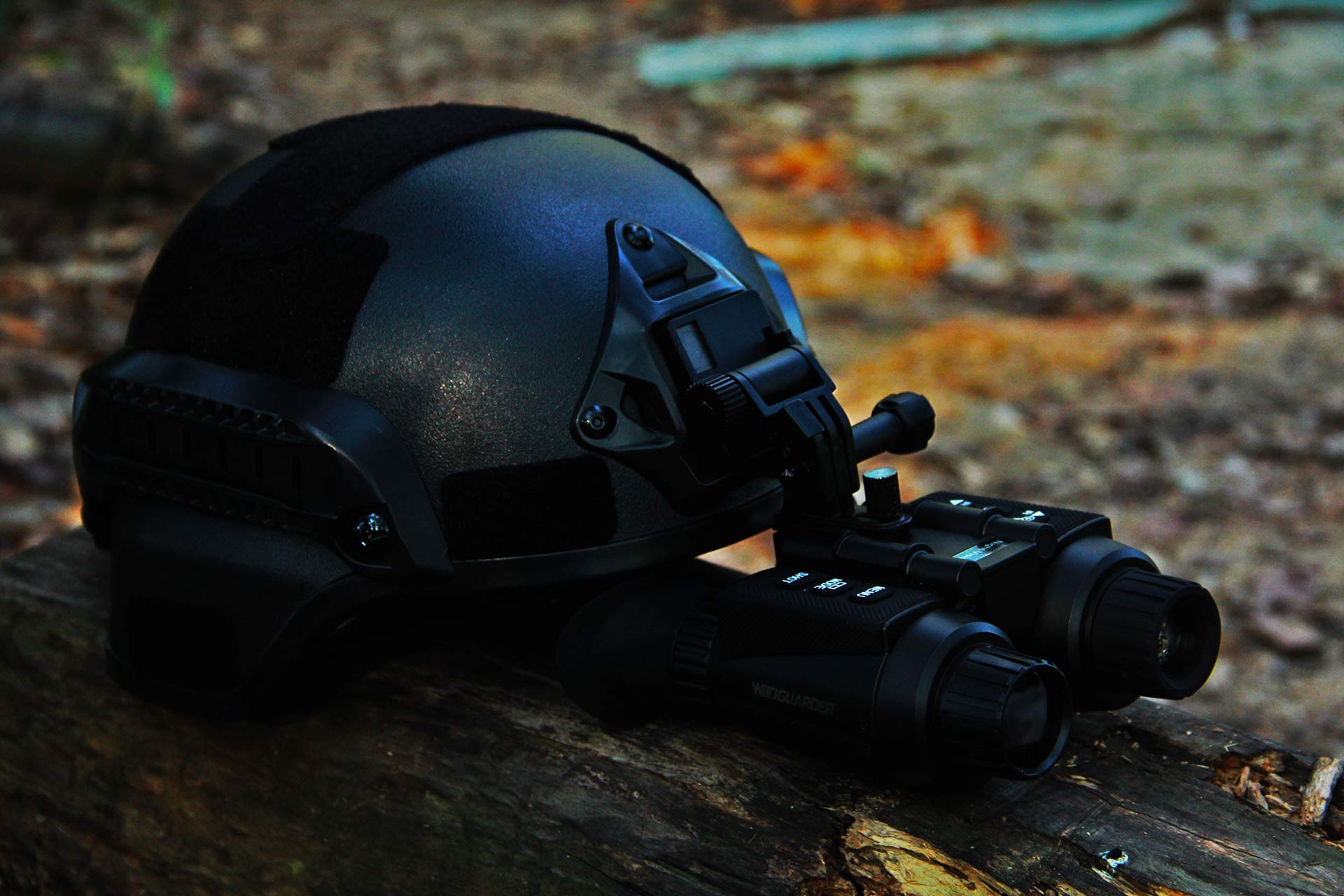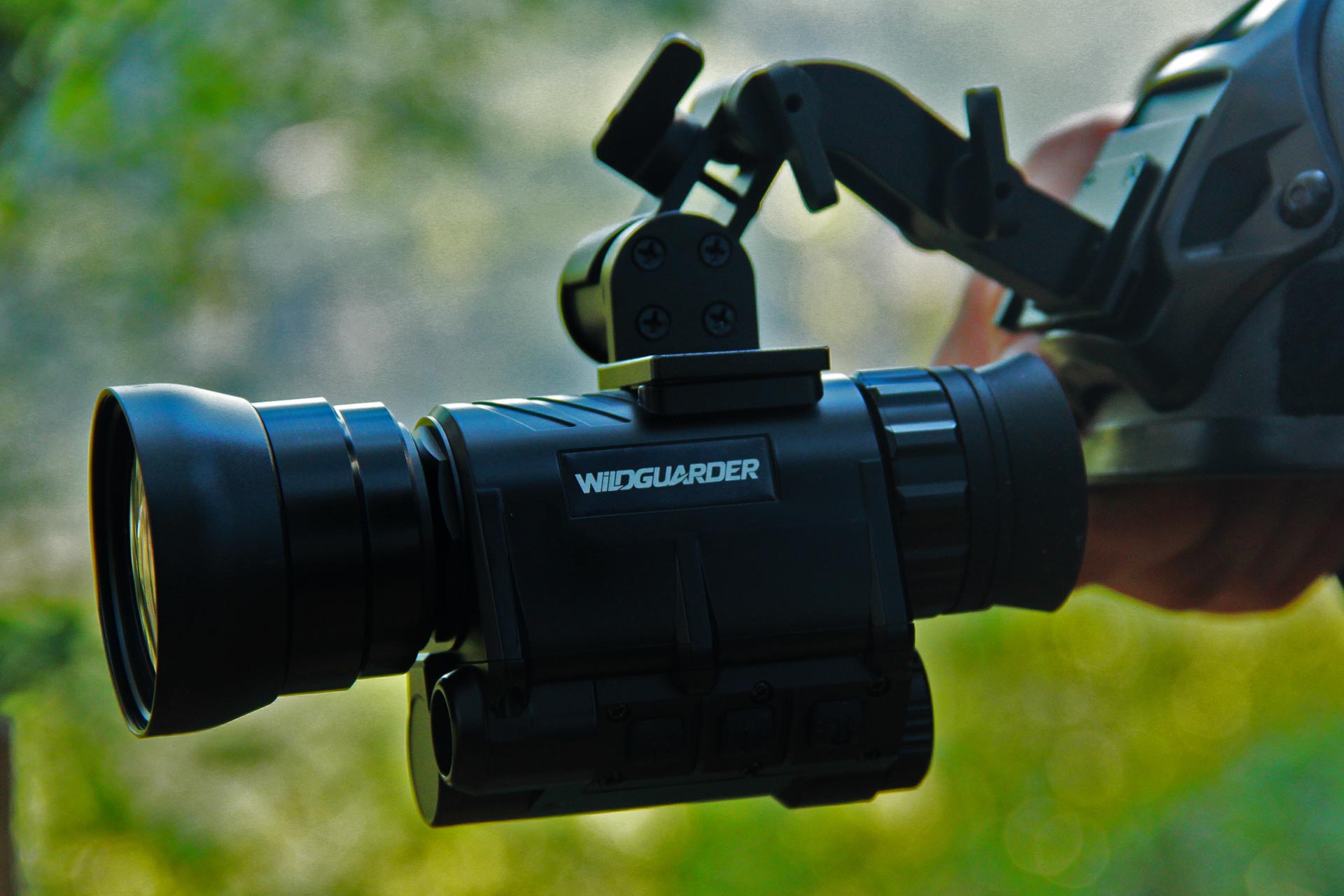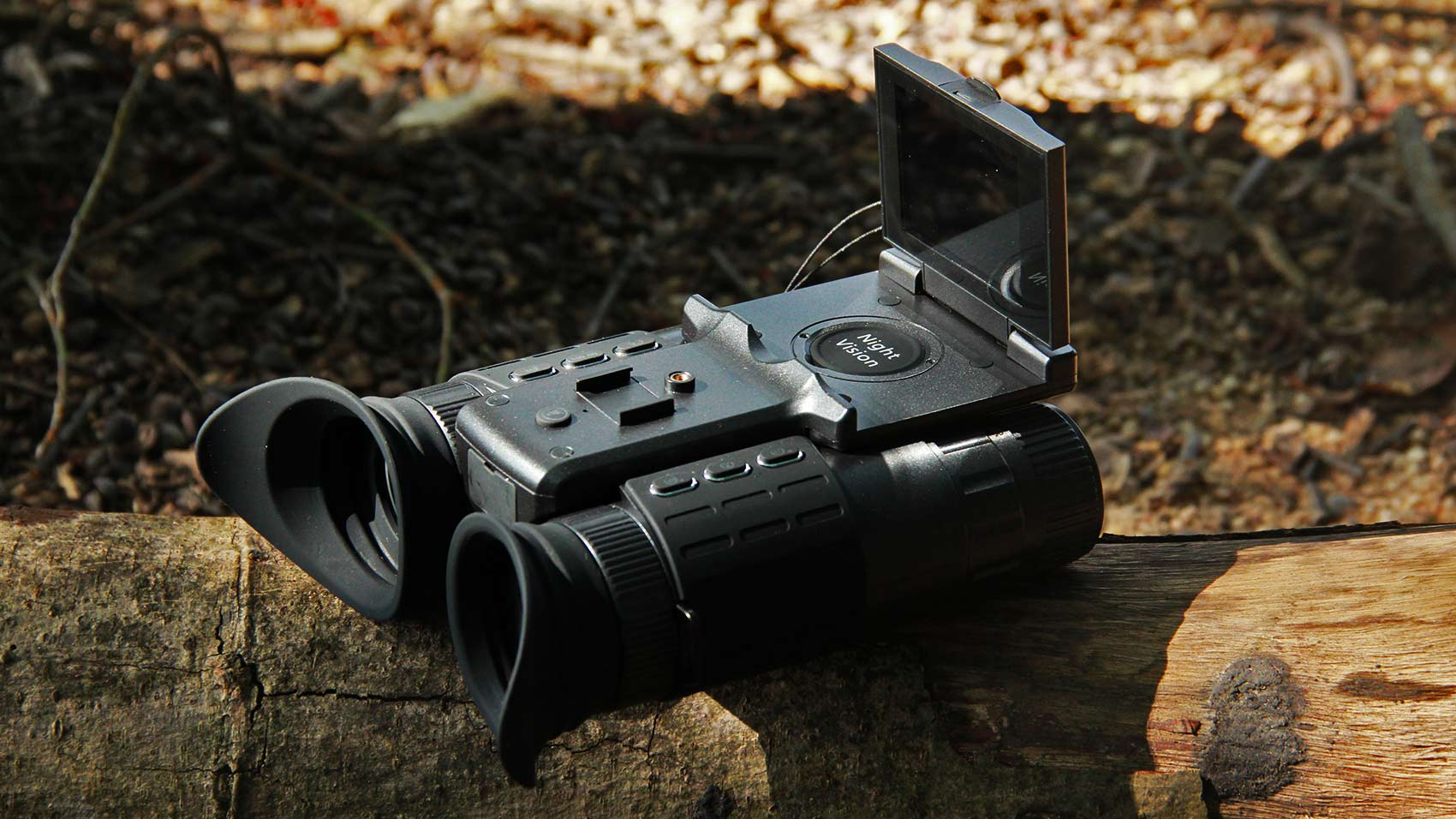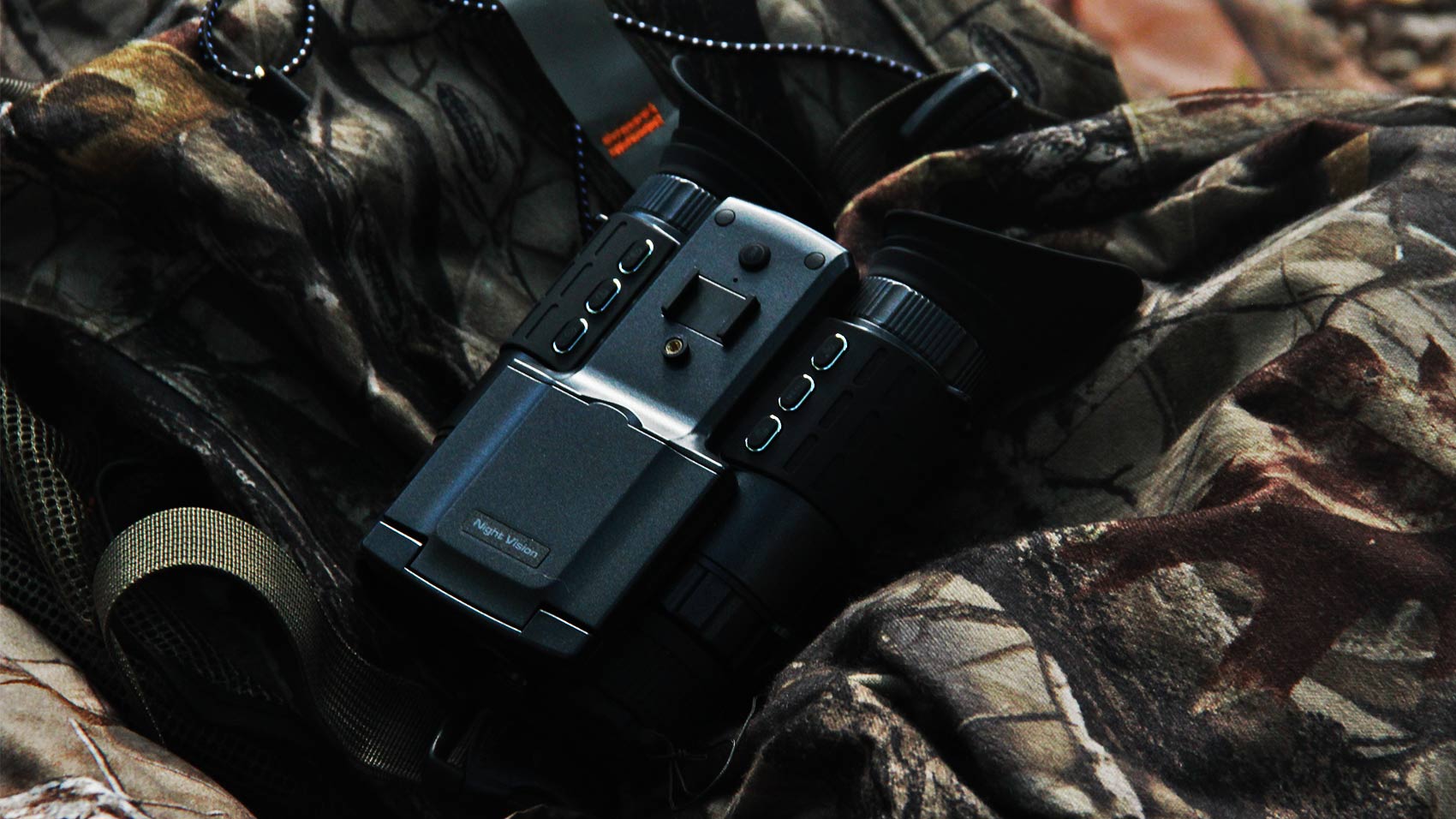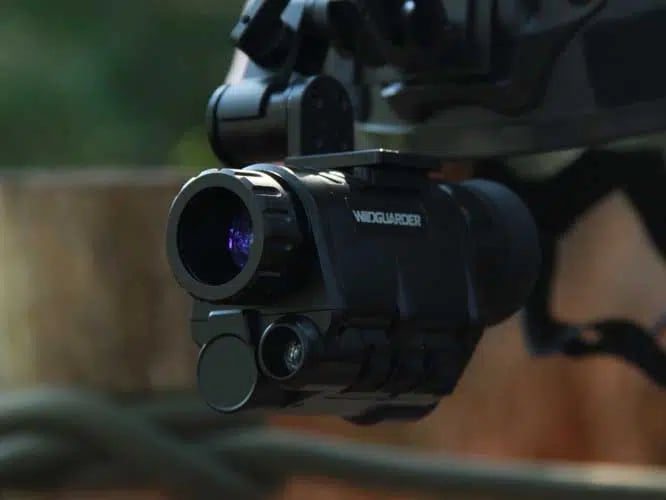


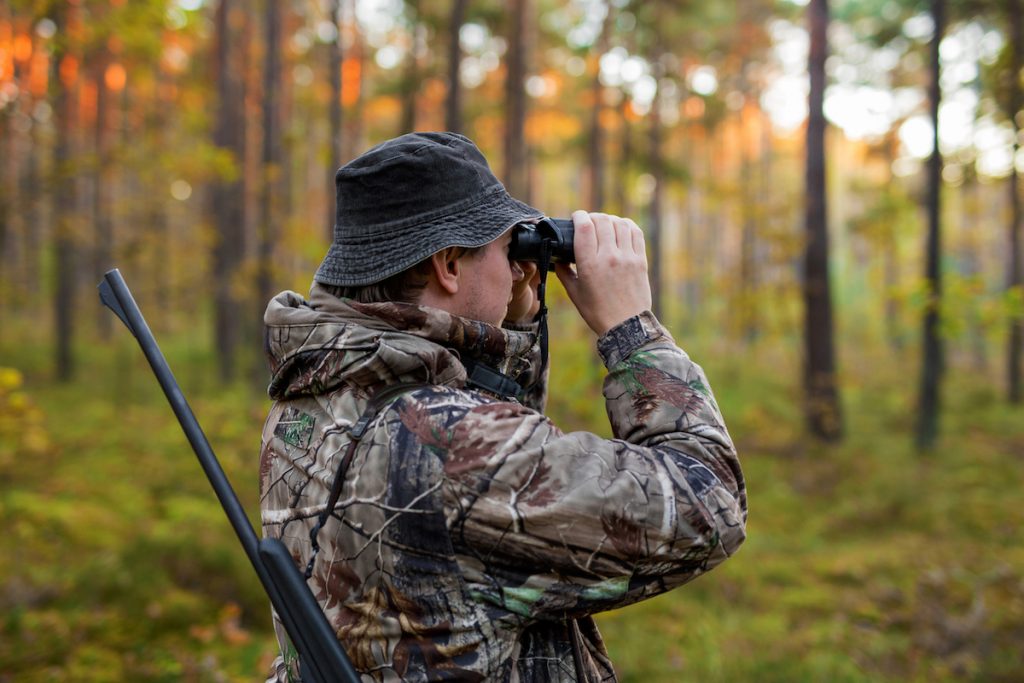
Goggles Night Vision Explained: What It Means and How to Choose

Quick Answer
If you are evaluating goggles night vision for Backcountry Camping, start with the real job before reading feature lists. The useful question is not whether the device sounds advanced. It is whether it solves the field problem: choosing the right device type is confusing.
For first-time buyers, the right night vision device should be easy to set up, easy to read, and honest about its limits. Explain goggles night vision through a real Backcountry Camping use case, with digital night vision as the main decision lens and choosing the right device type is confusing as the buyer problem. That gives the article a practical frame: choose by the conditions that change results, then compare products only after the work pattern is clear.
Key Takeaways
- Match night vision devices to the use case first, then compare specifications.
- Treat digital night vision as a decision lens, not as an isolated number.
- Check power, weather resistance, viewing or recording workflow, and support details before purchase.
- Use comparison tables to separate practical field value from broad product wording.
- Use WildGuarder educational pages for research and the WILDGUARDER Official Store for model-level comparison.
At the awareness / research stage point, the buyer usually needs fewer claims and more checks. A clear shortlist should explain what the product does well, what conditions change performance, and which adjacent WildGuarder category may fit better.
Definition / What It Means
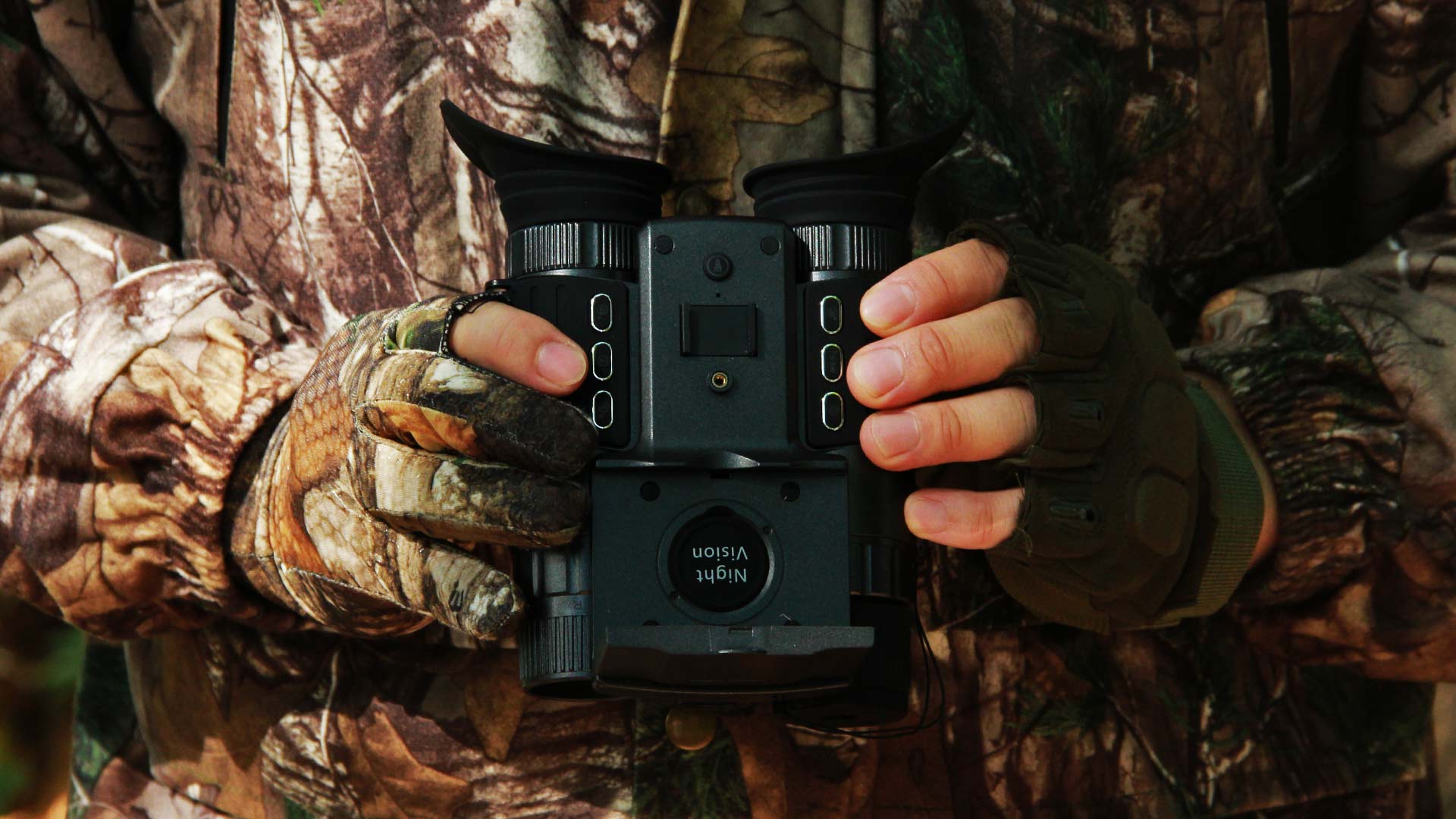
Definition: goggles night vision refers to a product or product group used for digital night vision, infrared illumination, binoculars, goggles, monoculars, trail cameras, range finders, and thermal imagers. In plain terms, it is a way to solve a specific outdoor observation, measurement, or recording problem instead of relying on general-purpose gear.
For a technical baseline, read Night vision device overview. For a second reference point, use NASA infrared spectrum guide. These external references are included because field performance depends on physics, placement, light, weather, and how the buyer uses the device in real conditions.
Scenario: Backcountry Camping
For first-time buyers, night vision device selection should begin with the field situation. The main problem here is choosing the right device type is confusing, which means the buyer needs practical controls, repeatable setup, and a realistic understanding of what changes from one night or location to another.
- Choose handheld, binocular, goggle, or monocular workflow based on movement and observation time.
- Use infrared only as much as the scene requires.
- Compare night vision and thermal imaging by what you need to identify.
- Check comfort, runtime, and support before choosing a product path.
This is why a real use-case article works better than a simple product roundup. It lets the buyer connect a feature to a task, then decide whether the product category is the right path before looking at individual model pages.
Product Feature Explanation
For goggles night vision, the key feature focus is digital night vision. The important part is how that feature behaves during actual use: a value that looks strong on paper can still disappoint if the setup is unstable, the scene is difficult, or the buyer expects one product category to solve every problem.
Use Night Vision Devices to understand the main product category before moving to the store. When the article topic has a buying or comparison angle, Store product/category path: NIGHT VISION is the natural next step because it lets the reader compare model pages, price, support, and product family fit after the educational context is clear.
Also compare against Not the main frame; mention night vision binoculars only if it helps the buyer choose.. WildGuarder is connected with night vision binoculars, night vision goggles, range finders, solar panel support for outdoor power planning, trail cameras, and thermal imagers. Those categories solve different jobs: live viewing, hands-free movement, distance measurement, unattended monitoring, and heat-based detection. For broader technical context, see National Park Service guide to how light works.
Feature checklist
| Decision point | What to verify | Why it matters |
|---|---|---|
| Use case | Define the actual field job before choosing | Prevents buying for the wrong scenario |
| Digital Night Vision | Check how the feature changes real results | Turns specs into practical value |
| Power plan | Estimate runtime with real settings | Avoids failed recording or observation sessions |
| Weather and mounting | Confirm outdoor protection and stable placement | Keeps results consistent |
| Support path | Check warranty, accessories, and product page clarity | Reduces purchase uncertainty |
Use the table as a first-pass filter. After the buyer knows which trade-off matters most, model pages become easier to evaluate because the useful details stand out and weak matches fall away quickly.
Use Case Guidance
For Backcountry Camping, test the night vision device in a controlled way before relying on it. Use a known distance, a fixed mounting point, a repeated route, or a repeatable camera angle so you can tell whether the product is improving results or simply changing the way the scene looks.
- Start with the simplest setting and adjust one variable at a time.
- Record what changes performance: distance, light, weather, angle, battery level, storage, and user movement.
- Keep product comparisons close to the task instead of comparing every available specification.
- Use Store links only where they help the reader move from research to model comparison.
Use a Backcountry Camping opening example; vary FAQ answer wording, CTA placement, product evidence, and conclusion from adjacent rows with similar goggles night vision wording. This variation rule keeps nearby articles from sounding interchangeable and gives each draft a clear reason to exist.
Supplier Evaluation
Before choosing a supplier or product path, verify the practical details: Verify device classification, export/legal wording, battery safety, warranty, IP/weather rating, and store-listed claims before drafting. A buyer should not need to guess whether a model fits the intended use, what accessories are compatible, or how support works after purchase.
WildGuarder main-site articles should educate first, then route interested readers to the WILDGUARDER Official Store only where the link is useful. For this topic, compare CAMLEON 100 and Hawknite 1 when those pages match the reader’s use case, budget, and purchase stage.
FAQ
What are the main benefits of using digital night vision devices for remote trail exploration?
Night and infrared performance depends on scene contrast, distance, ambient light, reflectivity, weather, and sensor behavior. A useful test includes both a near object and a farther target under the same conditions.
How can I protect digital night vision devices and maintain reliable performance in moonlight?
Night and infrared performance depends on scene contrast, distance, ambient light, reflectivity, weather, and sensor behavior. A useful test includes both a near object and a farther target under the same conditions.
What common mistakes should I avoid when trying to reset a digital night vision device?
Night and infrared performance depends on scene contrast, distance, ambient light, reflectivity, weather, and sensor behavior. A useful test includes both a near object and a farther target under the same conditions.
What does 940nm infrared mean on digital night vision devices?
It means the buyer should understand how goggles night vision works in a real Backcountry Camping situation, not only as a product phrase. Focus on digital night vision, setup method, power planning, and the limits that can change results in the field.
Why do digital night vision devices use infrared light?
Night and infrared performance depends on scene contrast, distance, ambient light, reflectivity, weather, and sensor behavior. A useful test includes both a near object and a farther target under the same conditions.
What are the main benefits of using digital night vision devices for night hiking?
Night and infrared performance depends on scene contrast, distance, ambient light, reflectivity, weather, and sensor behavior. A useful test includes both a near object and a farther target under the same conditions.
What are the main benefits of using digital night vision devices for ranch monitoring?
Night and infrared performance depends on scene contrast, distance, ambient light, reflectivity, weather, and sensor behavior. A useful test includes both a near object and a farther target under the same conditions.
What common mistakes should I avoid when using digital night vision devices for remote trail exploration?
Night and infrared performance depends on scene contrast, distance, ambient light, reflectivity, weather, and sensor behavior. A useful test includes both a near object and a farther target under the same conditions.
Are digital night vision devices suitable for remote trail exploration?
Night and infrared performance depends on scene contrast, distance, ambient light, reflectivity, weather, and sensor behavior. A useful test includes both a near object and a farther target under the same conditions.
What are the main benefits of using digital night vision devices for emergency outdoor searches?
Night and infrared performance depends on scene contrast, distance, ambient light, reflectivity, weather, and sensor behavior. A useful test includes both a near object and a farther target under the same conditions.
Conclusion
Goggles Night Vision Explained: What It Means and How to Choose should be answered with a practical buying process. Start with the job, check the feature that matters most, compare the right adjacent product paths, and then move to model-level details when the shortlist is clear.
If goggles night vision fits your use case, continue with Night Vision Devices for the main-site learning path, then compare relevant options in the WILDGUARDER Official Store such as Store product/category path: NIGHT VISION, CAMLEON 100, and Hawknite 1.
Where WildGuarder Fits
WildGuarder uses the main website for practical guides and product education, while store.wildguarder.com is the purchase path for product pages and category comparison. That separation keeps the article useful: first explain the decision, then send ready buyers to the correct WILDGUARDER Official Store destination.
For this topic, the closest internal path is Night Vision Devices. Related buyers may also compare Night Vision Optics, Night Vision, and Digital Night Vision before choosing between store options.
Related Reading
- Night Vision Devices
- Night Vision Optics
- Night Vision
- Digital Night Vision
- Infrared Night Vision
- Night Vision Buying Guides
- Night Vision Comparisons
- Night Vision How-To & Setup
- Store product/category path: NIGHT VISION
- CAMLEON 100
- Hawknite 1
- Night Vision Goggles store category
- Night Vision Binoculars store category
- Night Vision Monoculars store category