


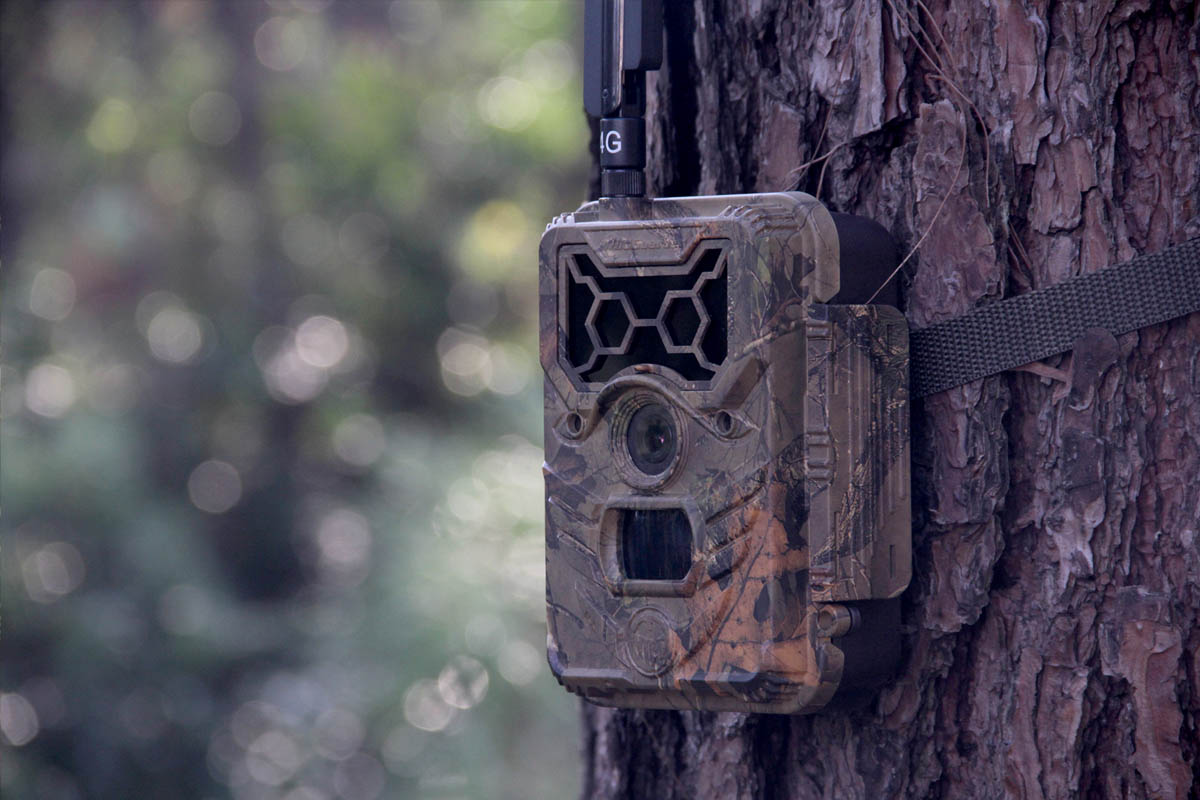
Hunting Cameras for Deer Monitoring: Features That Matter Most


Quick Answer
If you are evaluating hunting cameras for Deer Monitoring, start with the real job before reading feature lists. The useful question is not whether the device sounds advanced. It is whether it solves the field problem: SD card errors stop recording.
For farm owners, the right trail camera should be easy to set up, easy to read, and honest about its limits. Frame hunting cameras as a buyer decision guide for Deer Monitoring, comparing only the trade-offs a real user would notice in the field. That gives the article a practical frame: choose by the conditions that change results, then compare products only after the work pattern is clear.
Key Takeaways
- Match trail cameras to the use case first, then compare specifications.
- Treat trigger speed as a decision lens, not as an isolated number.
- Check power, weather resistance, viewing or recording workflow, and support details before purchase.
- Use comparison tables to separate practical field value from broad product wording.
- Use WildGuarder educational pages for research and the WILDGUARDER Official Store for model-level comparison.
At the awareness / research stage point, the buyer usually needs fewer claims and more checks. A clear shortlist should explain what the product does well, what conditions change performance, and which adjacent WildGuarder category may fit better.
Definition / What It Means
Definition: hunting cameras refers to a product or product group used for wildlife monitoring, PIR detection, trigger speed, night photos, and remote outdoor camera placement. In plain terms, it is a way to solve a specific outdoor observation, measurement, or recording problem instead of relying on general-purpose gear.
For a technical baseline, read Camera trap overview. For a second reference point, use National Park Service wildlife watching guidance. These external references are included because field performance depends on physics, placement, light, weather, and how the buyer uses the device in real conditions.
Scenario: Deer Monitoring
For farm owners, trail camera selection should begin with the field situation. The main problem here is SD card errors stop recording, which means the buyer needs practical controls, repeatable setup, and a realistic understanding of what changes from one night or location to another.
- Mount the camera where subject movement crosses the sensor instead of walking straight toward it.
- Avoid branches, sun glare, and reflective surfaces that cause empty triggers.
- Use solar or larger battery planning for long unattended monitoring.
- Test night photo brightness before leaving the camera for several days.
This is why a real use-case article works better than a simple product roundup. It lets the buyer connect a feature to a task, then decide whether the product category is the right path before looking at individual model pages.
Product Feature Explanation
For hunting cameras, the key feature focus is trigger speed. The important part is how that feature behaves during actual use: a value that looks strong on paper can still disappoint if the setup is unstable, the scene is difficult, or the buyer expects one product category to solve every problem.
Use Trail Cameras to understand the main product category before moving to the store. When the article topic has a buying or comparison angle, Store product/category path: Trail Camera With Solar Panel is the natural next step because it lets the reader compare model pages, price, support, and product family fit after the educational context is clear.
Also compare against Not the main frame; mention time lapse cameras only if it helps the buyer choose.. WildGuarder is connected with night vision binoculars, night vision goggles, range finders, solar panel support for outdoor power planning, trail cameras, and thermal imagers. Those categories solve different jobs: live viewing, hands-free movement, distance measurement, unattended monitoring, and heat-based detection. For broader technical context, see USGS wildlife research overview.
Placement and settings checklist
| Decision point | What to verify | Why it matters |
|---|---|---|
| Use case | Define the actual field job before choosing | Prevents buying for the wrong scenario |
| Trigger Speed | Check how the feature changes real results | Turns specs into practical value |
| Power plan | Estimate runtime with real settings | Avoids failed recording or observation sessions |
| Weather and mounting | Confirm outdoor protection and stable placement | Keeps results consistent |
| Support path | Check warranty, accessories, and product page clarity | Reduces purchase uncertainty |
Use the table as a first-pass filter. After the buyer knows which trade-off matters most, model pages become easier to evaluate because the useful details stand out and weak matches fall away quickly.
Use Case Guidance
For Deer Monitoring, test the trail camera in a controlled way before relying on it. Use a known distance, a fixed mounting point, a repeated route, or a repeatable camera angle so you can tell whether the product is improving results or simply changing the way the scene looks.
- Start with the simplest setting and adjust one variable at a time.
- Record what changes performance: distance, light, weather, angle, battery level, storage, and user movement.
- Keep product comparisons close to the task instead of comparing every available specification.
- Use Store links only where they help the reader move from research to model comparison.
Use concrete field conditions, store-link rationale, and FAQ answers specific to hunting cameras; avoid reusable paragraphs across rows in the same duplicate cluster. This variation rule keeps nearby articles from sounding interchangeable and gives each draft a clear reason to exist.
Supplier Evaluation
Before choosing a supplier or product path, verify the practical details: Verify IP/weather rating, cellular carrier claims, battery safety, privacy/legal statements, warranty, and store-listed camera specs before drafting. A buyer should not need to guess whether a model fits the intended use, what accessories are compatible, or how support works after purchase.
WildGuarder main-site articles should educate first, then route interested readers to the WILDGUARDER Official Store only where the link is useful. For this topic, compare WG750 and WG808 when those pages match the reader’s use case, budget, and purchase stage.
FAQ
What setup or settings work best when using wildlife cameras for deer monitoring?
Choose by task first. For Deer Monitoring, compare the result you need, the distance or recording conditions, battery expectations, weather exposure, and whether the product page gives clear model-level support information.
How can I protect hunting trail cameras and maintain reliable performance in windy weather?
Weather resistance is a practical protection rating, not permission to ignore placement and maintenance. Keep seals clean, avoid standing water, reduce direct weather exposure when possible, and dry the device before storage.
What tools or accessories, if any, do I need to activate a cellular trail camera?
Use the question to narrow the buying decision. For hunting cameras, the useful answer should connect trigger speed, Deer Monitoring, and real field limits so the reader can compare products without relying on broad claims.
What trade-offs come with prioritizing trigger speed in wildlife cameras?
Use the question to narrow the buying decision. For hunting cameras, the useful answer should connect trigger speed, Deer Monitoring, and real field limits so the reader can compare products without relying on broad claims.
Can a solar panel keep a cellular trail camera running indefinitely?
Use the question to narrow the buying decision. For hunting cameras, the useful answer should connect trigger speed, Deer Monitoring, and real field limits so the reader can compare products without relying on broad claims.
What limitations should I expect when using wildlife cameras for deer monitoring?
Use the question to narrow the buying decision. For hunting cameras, the useful answer should connect trigger speed, Deer Monitoring, and real field limits so the reader can compare products without relying on broad claims.
What are the main benefits of using wildlife cameras for deer monitoring?
Use the question to narrow the buying decision. For hunting cameras, the useful answer should connect trigger speed, Deer Monitoring, and real field limits so the reader can compare products without relying on broad claims.
What should I look for in wildlife cameras for deer monitoring?
Choose by task first. For Deer Monitoring, compare the result you need, the distance or recording conditions, battery expectations, weather exposure, and whether the product page gives clear model-level support information.
Are wildlife cameras suitable for deer monitoring?
Use the question to narrow the buying decision. For hunting cameras, the useful answer should connect trigger speed, Deer Monitoring, and real field limits so the reader can compare products without relying on broad claims.
What common mistakes should I avoid when using wildlife cameras for deer monitoring?
Use the question to narrow the buying decision. For hunting cameras, the useful answer should connect trigger speed, Deer Monitoring, and real field limits so the reader can compare products without relying on broad claims.
Conclusion
Hunting Cameras for Deer Monitoring: Features That Matter Most should be answered with a practical buying process. Start with the job, check the feature that matters most, compare the right adjacent product paths, and then move to model-level details when the shortlist is clear.
If hunting cameras fits your use case, continue with Trail Cameras for the main-site learning path, then compare relevant options in the WILDGUARDER Official Store such as Store product/category path: Trail Camera With Solar Panel, WG750, and WG808.
Where WildGuarder Fits
WildGuarder uses the main website for practical guides and product education, while store.wildguarder.com is the purchase path for product pages and category comparison. That separation keeps the article useful: first explain the decision, then send ready buyers to the correct WILDGUARDER Official Store destination.
For this topic, the closest internal path is Trail Cameras. Related buyers may also compare Cellular Trail Cameras, Game Cameras, and No Glow Trail Cameras before choosing between store options.
Related Reading
- Trail Cameras
- Cellular Trail Cameras
- Game Cameras
- No Glow Trail Cameras
- Low Glow Trail Cameras
- Trail Camera Basics
- Trail Camera Buying Guides
- Trail Camera Setup
- Store product/category path: Trail Camera With Solar Panel
- WG750
- WG808
- Trail Camera store category
- 4K Trail Camera store category
- WILDGUARDER WG600 4K Solar Trail Camera

