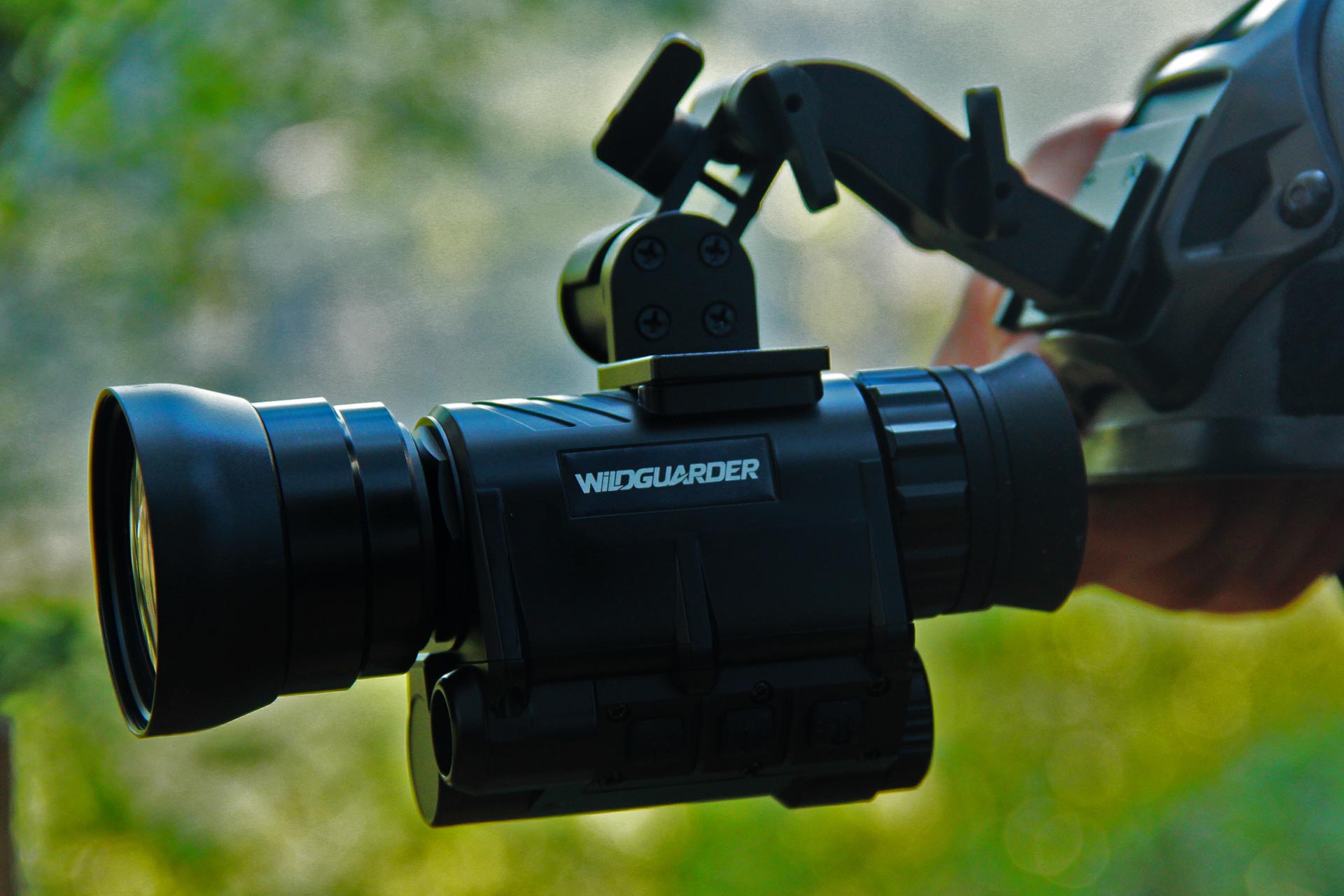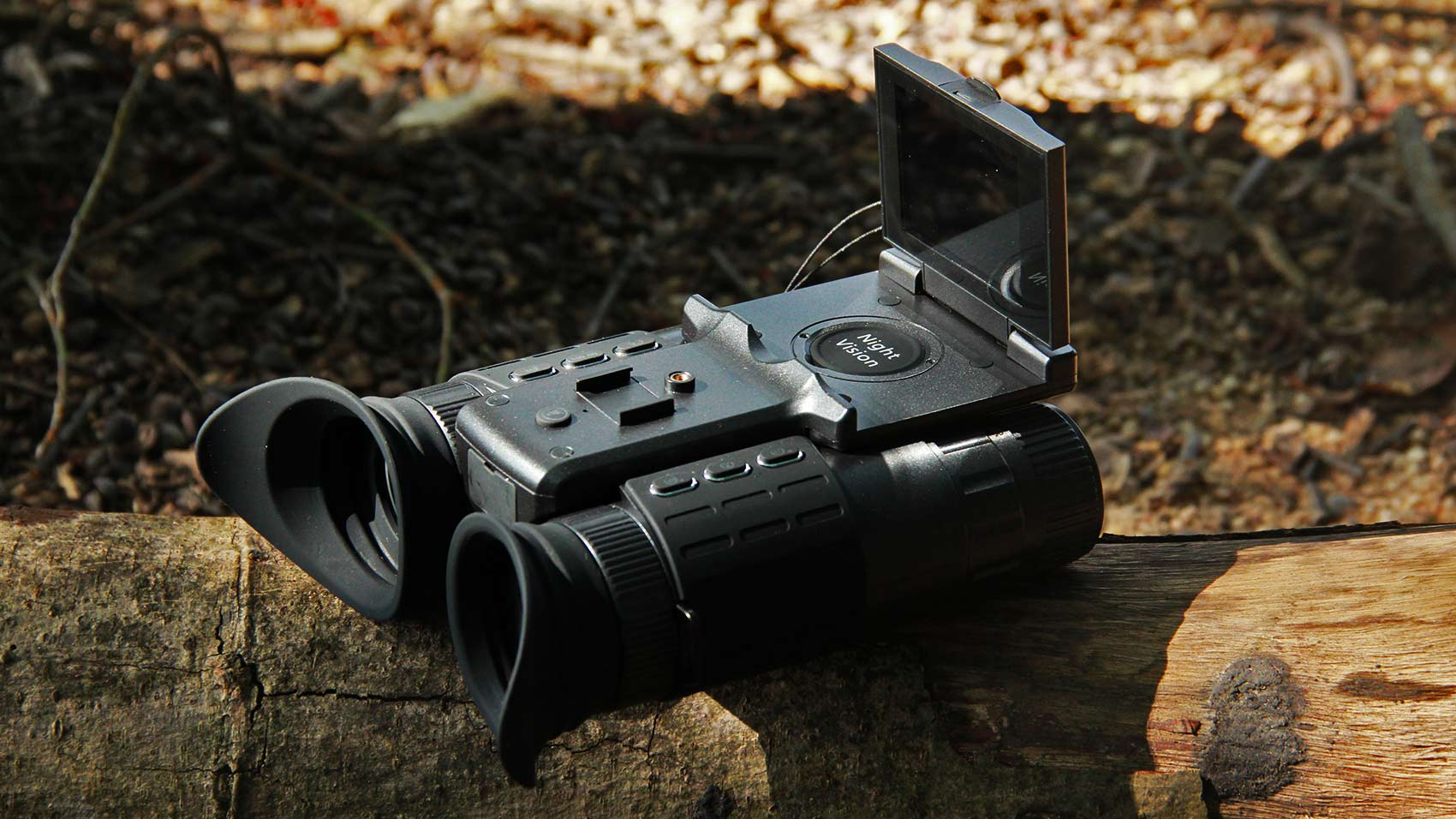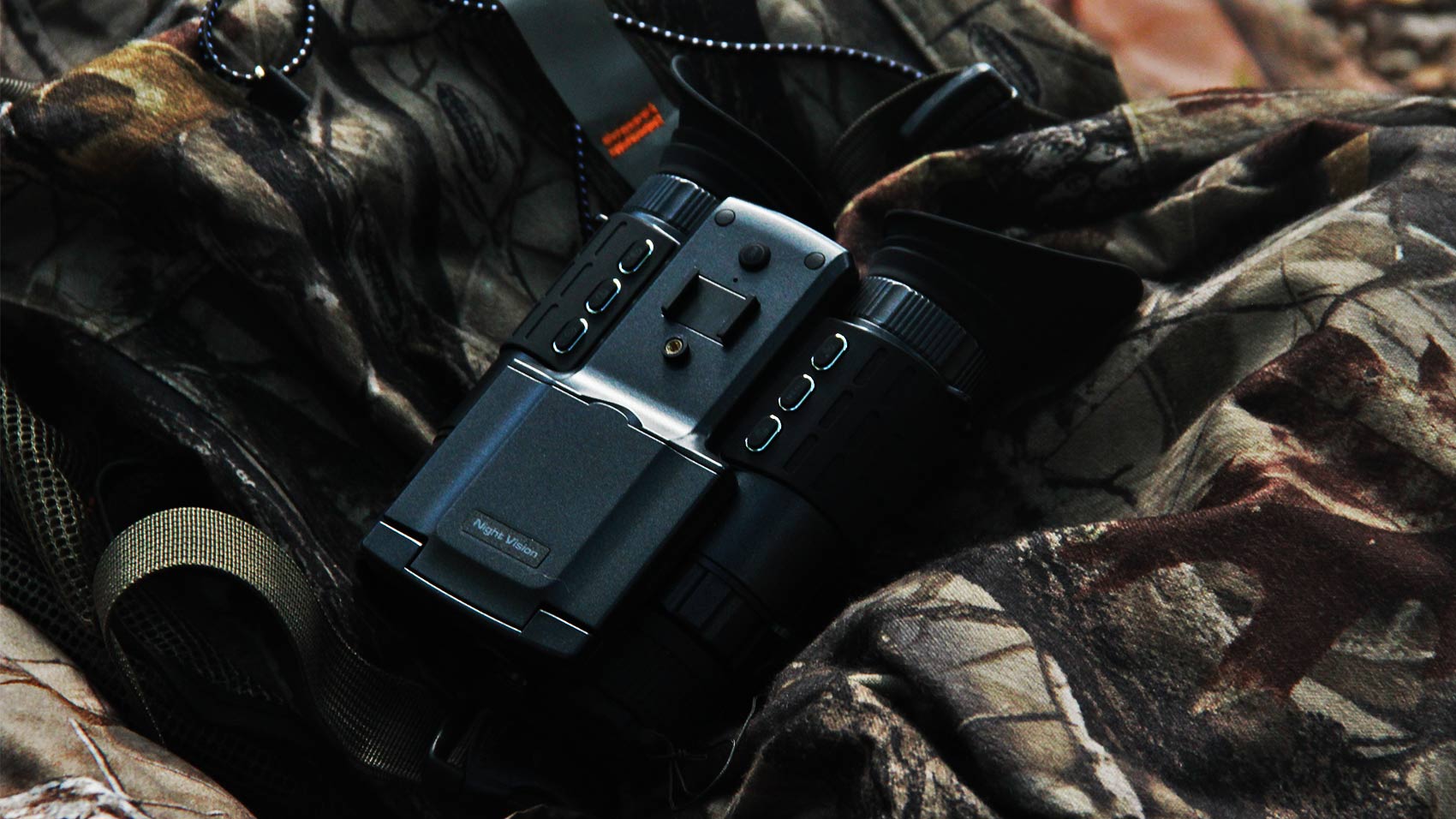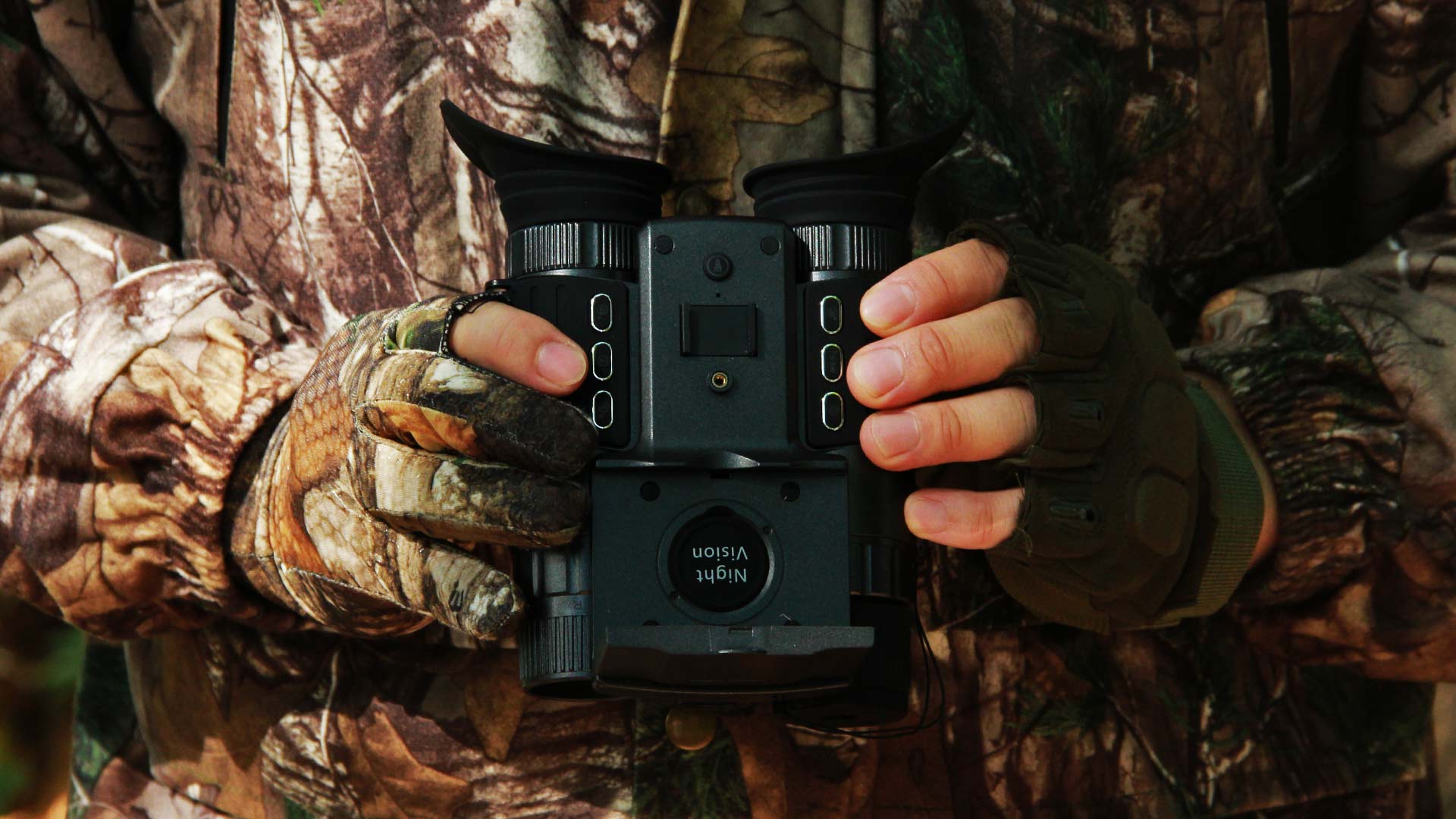


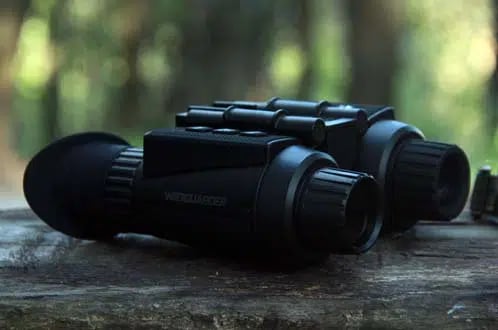
Top 10 Things You Need to Know About Night Vision Binoculars

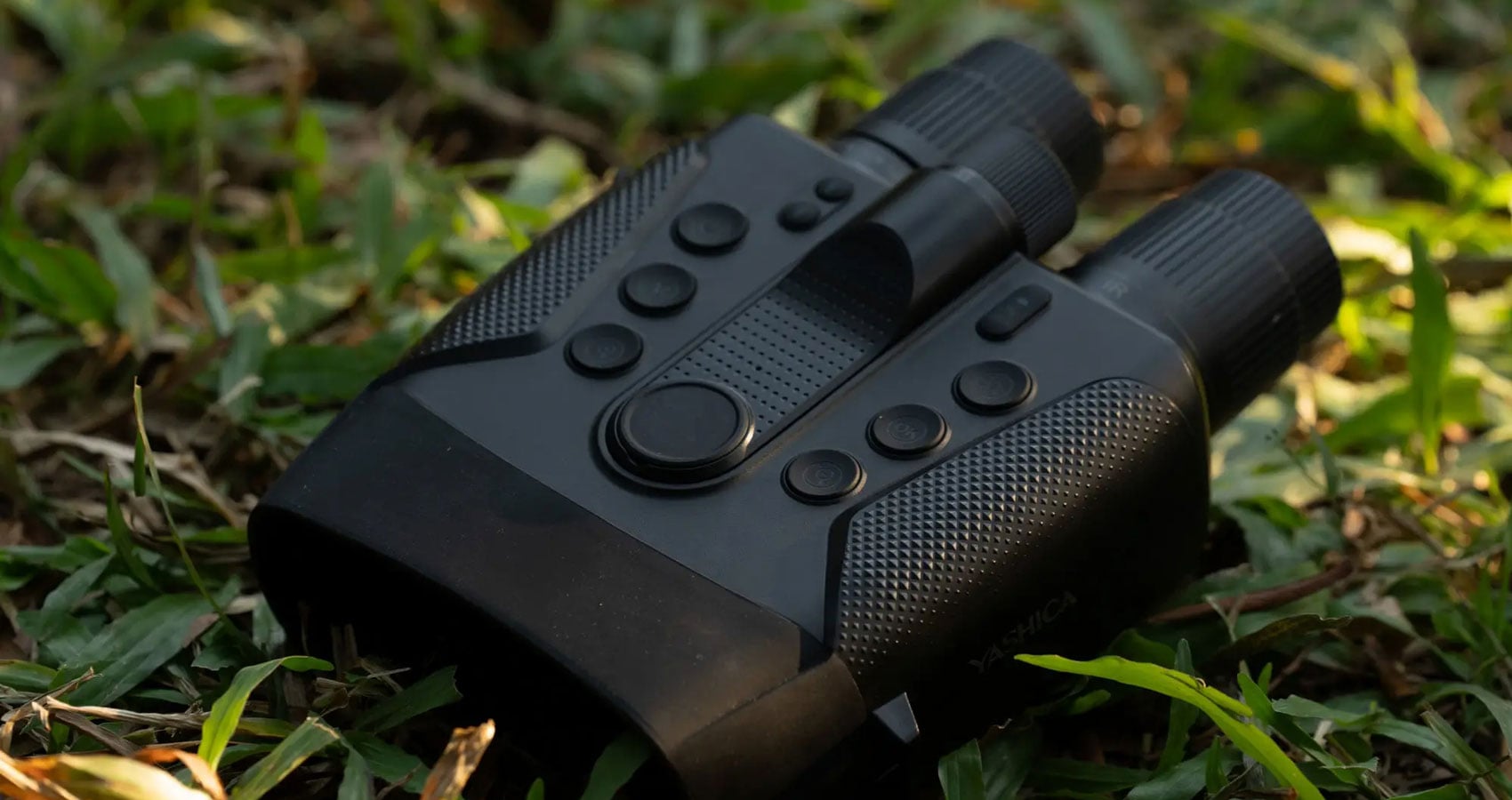 Quick Answer: Night vision binoculars are low-light optical devices that help you see, scan, and record after dark by using digital sensors, infrared illumination, optics, image processing, and a display. Before buying a pair, focus on realistic night viewing range, IR illuminator performance, field of view, battery life, recording quality, comfort, and whether binoculars are the right tool compared with night vision goggles, range finders, trail cameras, solar panel-supported monitoring, or thermal imagers.
Key Takeaways
- Night vision binoculars are best for scanning and observation. They are usually easier to hold steady than small monoculars and more comfortable for longer viewing than many head-mounted devices.
- Infrared binoculars need the right IR setup. In very dark places, the IR illuminator often determines how useful the image feels.
- Digital night vision is practical for most outdoor users. It can support daytime viewing, nighttime viewing, photos, videos, and screen-based observation.
- Specs do not tell the whole story. Image processing, focusing, field of view, and real battery life matter in the field.
- WildGuarder connects night vision binoculars with a wider outdoor optics system. The brand also offers night vision goggles, range finders, solar panel-compatible outdoor monitoring options, trail cameras, and thermal imagers for different jobs.
Definition: What Night Vision Binoculars Mean
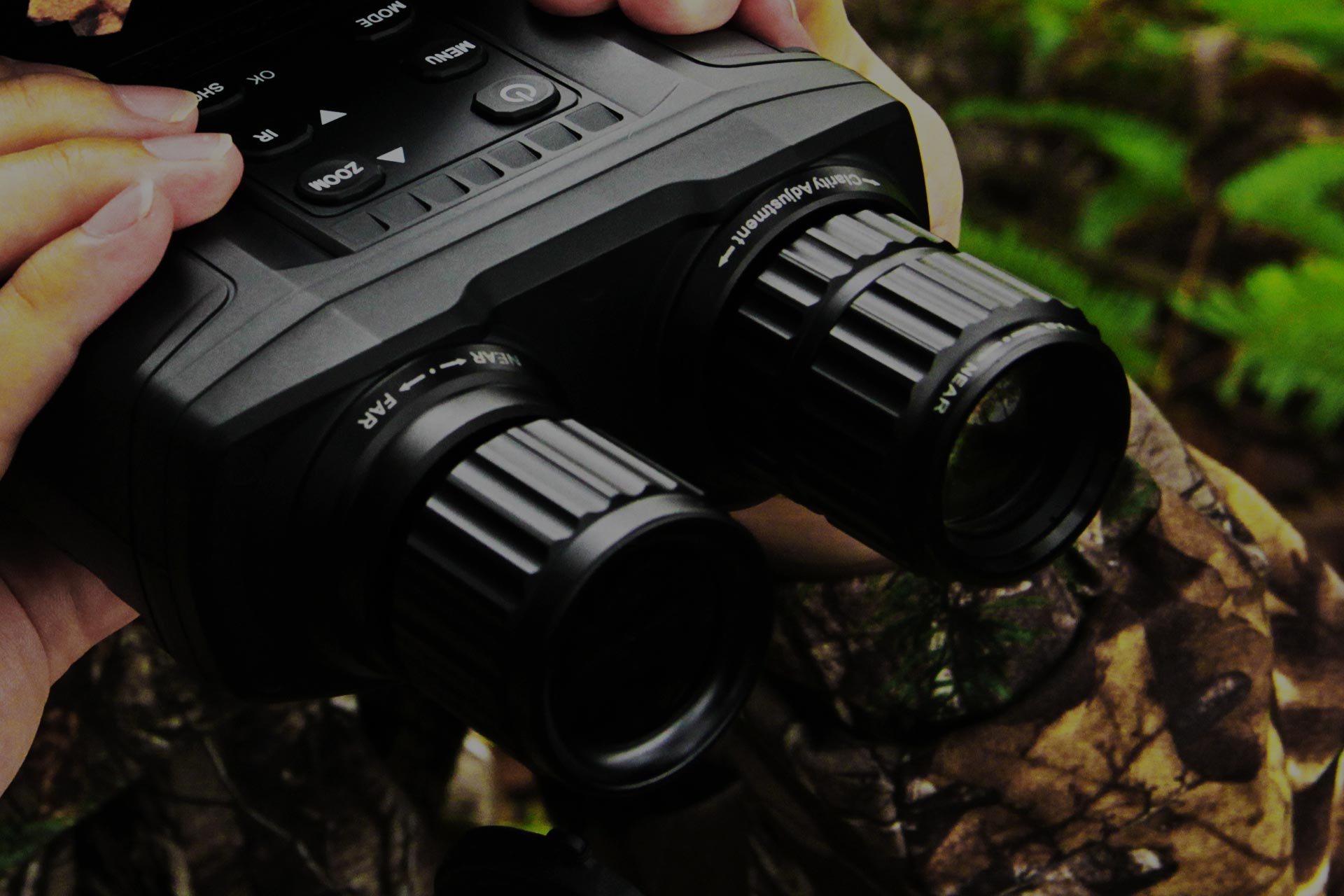
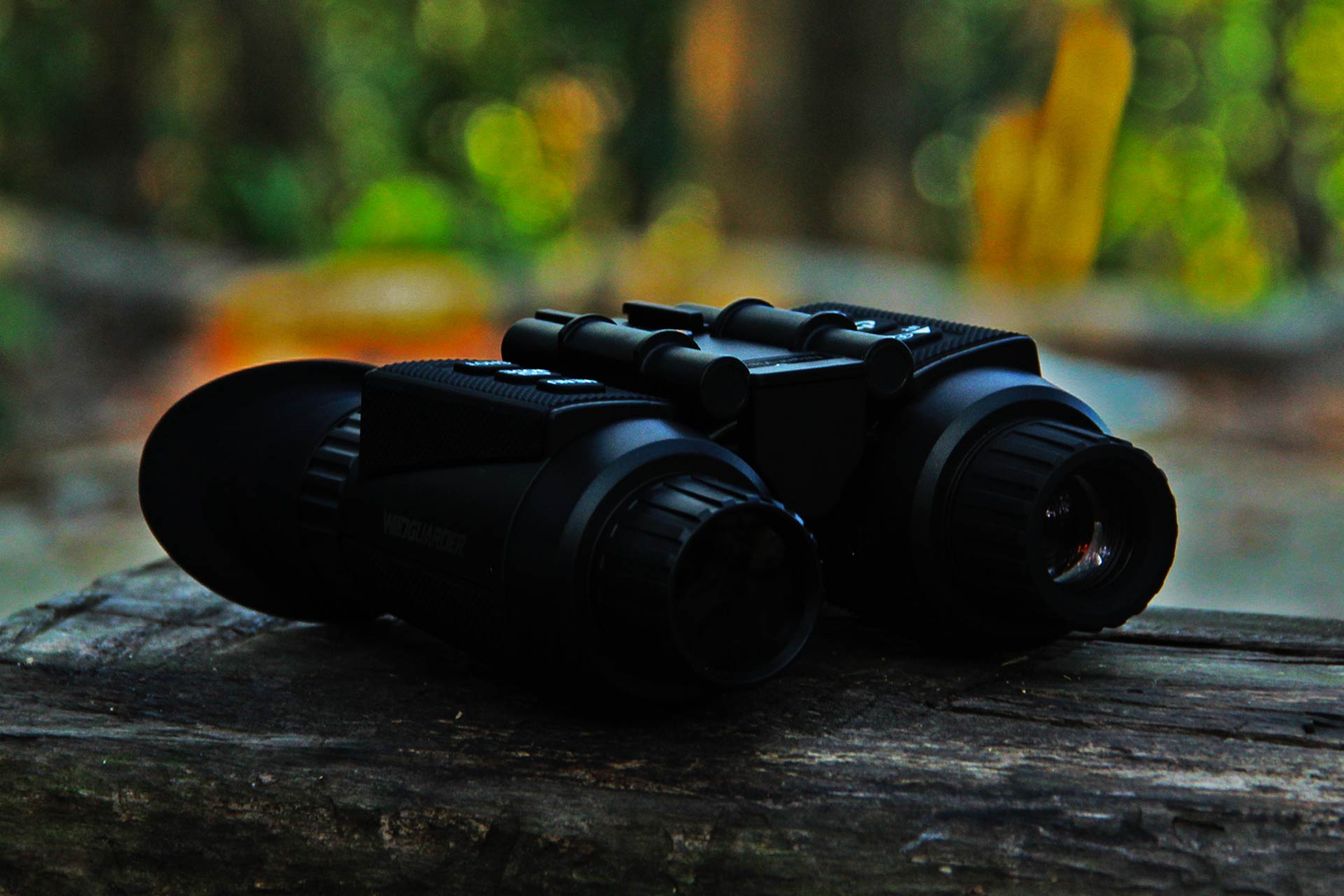
Night vision binoculars are two-eye viewing devices designed to improve visibility in low-light or dark conditions. In consumer outdoor gear, they are usually digital night vision devices. They gather available light or infrared light, convert it into an image signal, process the image, and show the result on an internal display. Many models also record photos and videos to a memory card.
The term infrared binoculars often refers to night vision binoculars with a built-in IR illuminator. NASA explains that infrared light sits beyond visible red light in the electromagnetic spectrum, and the CDC gives a plain overview of how visible and non-visible radiation fit into that spectrum. Those science basics explain why a sensor can use infrared light even when your eyes cannot see it directly.
For background science, see NASA’s guide to infrared waves and the CDC overview of the electromagnetic spectrum.
1. Night Vision Binoculars Are Not Just Regular Binoculars With a Light
Regular binoculars rely on your eyes and available light. Night vision binoculars add a sensor, processor, display, and often an infrared illuminator. That means you are not looking directly through glass in the same way as daytime binoculars. You are viewing a processed image built from low-light or infrared information.
This is useful for camping, wildlife observation, farm checks, property monitoring, and nighttime scouting. It also means the final image depends on more than magnification. Sensor quality, IR power, display resolution, focusing, and image processing all affect what you actually see.
2. Infrared Illumination Is Critical in Very Dark Places
In partial moonlight, digital night vision may have enough light to build a usable image. In deep shade, barns, wooded trails, or moonless fields, the device often needs infrared illumination. The IR beam gives the sensor extra light while staying mostly invisible to human eyes.
When comparing infrared binoculars, check whether the IR level is adjustable. A lower IR setting can save battery and reduce glare at short distance. A stronger setting can help in open spaces, but it may drain power faster and reflect from nearby branches, fog, dust, or rain.
 3. Digital Night Vision Is Usually the Most Practical Choice
Traditional analog night vision has its place, but many outdoor buyers choose digital night vision because it is flexible. Digital models can often work in daylight, switch to night mode, record video, capture photos, use zoom, and show a screen that is easy for beginners to understand.
For most WildGuarder customers, this practical feature mix matters more than technical labels. If you want a device for trips, wildlife, property checks, or general outdoor visibility, a digital night vision binocular is often the easiest starting point.
4. Range Claims Need Realistic Interpretation
Long-range numbers can be helpful, but they should not be the only reason you choose a model. Real viewing distance depends on target size, background contrast, ambient light, IR power, focus, weather, and how much detail you need. Seeing that something is present is different from recognizing exactly what it is.
For field use, think in three ranges: close campsite checks, medium-range trail or property scanning, and long open-field observation. A balanced night vision binocular should feel useful in the range you actually use most often.
5. Field of View Matters More Than Beginners Expect
High magnification can be attractive, but it narrows what you see. A wider field of view is easier for scanning a field edge, campsite boundary, or tree line. A narrower view can help with distant subjects, but it may be harder to use while moving or searching a broad area.
If you plan to use night vision binoculars for wildlife observation, property checks, or hiking stops, choose a field of view that supports scanning first. You can always use zoom carefully when you need a closer look.
6. Battery Life Changes With IR, Recording, and Weather
Battery life is not a fixed number in real use. Bright IR settings, video recording, cold weather, screen brightness, and long sessions all reduce runtime. If you plan overnight use, bring spare batteries, a power bank, or a charging plan that matches the model.
This is also where solar panel-supported monitoring can make sense for different tasks. A handheld night vision binocular is great when you are present. For longer unattended observation, trail cameras and compatible solar panel setups may be better tools.
7. Recording Features Can Turn Observation Into Evidence
Photos and videos are not just fun extras. They help wildlife watchers review activity, help property owners document observations, and help campers remember where movement was seen. If recording matters, check video resolution, photo quality, memory card support, file transfer, and whether the controls are simple in the dark.
For shoppers comparing models, the WildGuarder Official Store Night Vision Binoculars collection is the natural place to start. You can compare models such as WildGuarder WG9500 4K UHD Night Vision Binoculars, WildGuarder OWLER1 Night Vision Binoculars, and WildGuarder Hawknite1 True 4K Night Vision Binoculars.
8. Binoculars, Goggles, Trail Cameras, and Thermal Imagers Do Different Jobs
| Tool | Best Use | Main Strength | When to Choose It |
|---|---|---|---|
| Night vision binoculars | Scanning and two-eye observation | Comfortable viewing and practical detail | Camping, wildlife watching, property checks |
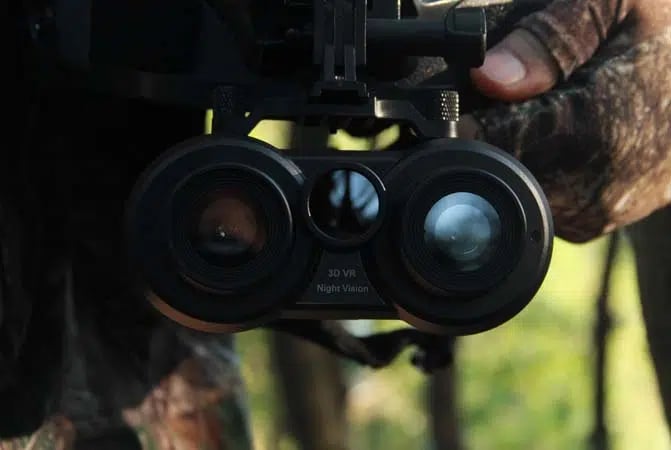
| Night vision goggles | Hands-free movement | Head-mounted use | Walking, working, or carrying gear at night |
| Range finders | Distance measurement | Knowing how far a subject or landmark is | Scouting, outdoor planning, long-distance viewing |
| Trail cameras | Unattended monitoring | Capturing activity when you are away | Farm, property, wildlife, and long-term observation |
| Thermal imagers | Heat detection | Finding warm subjects in darkness or cover | Detection when visible detail is less important |
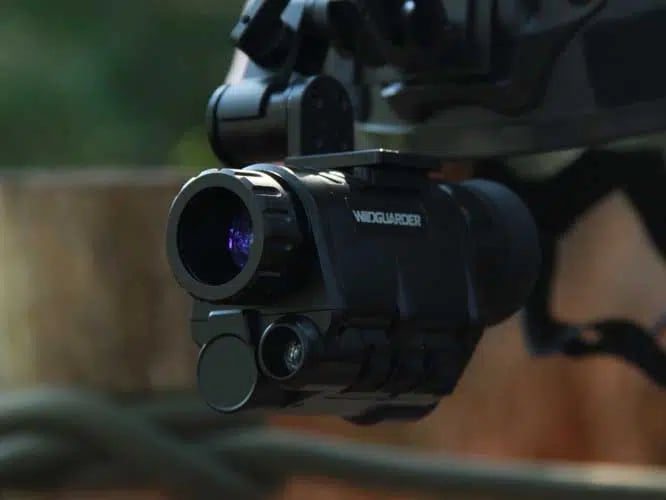
This is the core WildGuarder product relationship: night vision binoculars help you see visible detail; night vision goggles help when your hands need to stay free; range finders help with distance; trail cameras support remote monitoring; solar panel-supported setups can extend outdoor monitoring where compatible; and thermal imagers help when heat detection matters more than visible detail.
9. Choose Based on People and Scenarios, Not Only Specs
- Campers: prioritize simple controls, comfortable viewing, and battery planning.
- Wildlife watchers: prioritize quiet observation, recording quality, and a field of view that supports scanning.
- Property owners: prioritize reliability, IR range, easy focusing, and a tool that works from repeatable observation points.
- Hikers and mobile users: consider whether night vision goggles are better than binoculars for hands-free movement.
- Long-range observers: compare optics, IR reach, stability, and whether rangefinding binoculars may add value.
10. Responsible Use Still Matters
Night vision helps you see more after dark, but it should be used responsibly. Respect privacy, follow local rules, avoid disturbing wildlife, and use bright visible light only when needed. The U.S. National Park Service explains that artificial light can affect dark-sky environments and night adaptation, which is useful context for outdoor users who want to observe with less disruption.
For more background, see the National Park Service guide to how light works at night.
Buying Checklist for Night Vision Binoculars
- Does the device fit your main use: camping, wildlife, property, scouting, or travel?
- Is the IR illuminator adjustable for short and long viewing?
- Is the field of view wide enough for scanning?
- Can you focus quickly in the dark?
- Does it record photos and videos at a useful quality?
- Is the battery system practical for your trip length?
- Does the weight feel comfortable for longer observation?
- Would night vision goggles, trail cameras, range finders, or thermal imagers solve the job better?
FAQ
What are night vision binoculars best used for?
Night vision binoculars are best for scanning and observing after dark from a standing, seated, or fixed position. They are useful for camping, wildlife observation, property checks, farm monitoring, scouting, and general outdoor visibility.
Are infrared binoculars the same as night vision binoculars?
In many shopping contexts, infrared binoculars are digital night vision binoculars with a built-in IR illuminator. The infrared light helps the sensor see in very dark conditions, even when your eyes cannot see that light directly.
Can night vision binoculars see in total darkness?
They can work in very dark conditions if the IR illuminator is strong enough for the distance and scene. Without ambient light or IR support, normal night vision has very little information to collect. Thermal imagers are different because they detect heat instead of reflected light.
Should I buy night vision binoculars or night vision goggles?
Choose night vision binoculars for comfortable scanning and two-eye observation. Choose night vision goggles if you need hands-free movement or head-mounted use. Some outdoor users eventually use both because they solve different problems.
Are night binos useful for wildlife observation?
Yes. Night binos can help you watch movement along fields, trails, ponds, and tree lines without relying only on a visible flashlight. Recording features can also help document what you saw.
Related Reading on WildGuarder
- Night Vision Binoculars guides
- Night Vision Goggles articles
- Night Vision vs Thermal Imaging comparisons
- Rangefinder Binoculars guides
- Thermal Imagers guides
Related Tags
night vision binoculars | digital night vision | infrared night vision | night vision for wildlife | night vision distance
Conclusion
Night vision binoculars are most useful when you want practical, two-eye low-light observation with enough detail to scan, identify, and record what is happening after dark. The top things to understand are IR illumination, realistic range, field of view, battery life, recording, comfort, and whether binoculars are the right tool compared with goggles, trail cameras, range finders, or thermal imagers.
If you want a reliable starting point, compare the WildGuarder Official Store Night Vision Binoculars collection. Pick the model that matches your real use: camping, wildlife observation, property monitoring, farm checks, or long-range outdoor viewing. A good pair of WildGuarder night vision binoculars should make the night easier to understand, not more complicated.