

How to Choose Monoculars for Backcountry Camping

Quick Answer
monoculars works best when you need a compact, one-eye night observation tool for Backcountry Camping. It is usually easier to carry than binoculars, faster to raise for a quick scan, and practical for campers, hikers, wildlife watchers, and property owners who need short-to-mid distance checks without carrying a larger device.
The buying decision should start with the field problem: handheld viewing feels shaky. Explain monoculars through a real Backcountry Camping use case, with compact size as the main decision lens and handheld viewing feels shaky as the buyer problem. is the useful angle here because the best monocular is the one that stays clear, steady, and simple when your route, distance, and light level keep changing.
Key Takeaways
- Choose a night vision monocular by task distance, not only by advertised range.
- One-eye viewing is compact and fast, but long sessions may feel more tiring than two-eye viewing.
- Infrared level control, focus feel, and display brightness decide real field usability.
- Recording, battery runtime, and storage matter if you plan to review observations later.
- Compare night vision, thermal imaging, trail camera, range finder, and solar-supported monitoring paths by use case.
For awareness / research stage, the strongest shortlist is based on concrete checks: what you need to identify, how long you will carry the unit, whether you need recording, and whether the store page clearly states model support.
Definition / What It Means
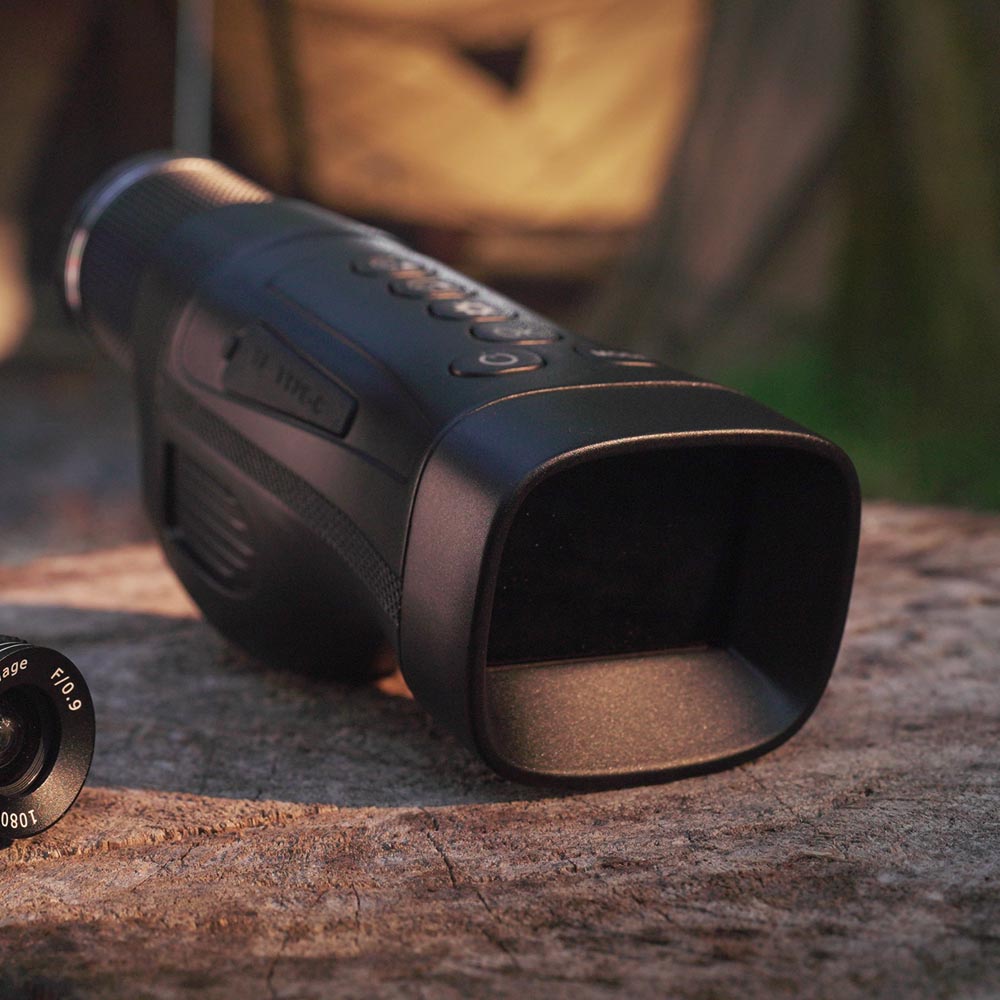
Definition: a night vision monocular is a single-eye viewing device that helps you see in low light by using lenses, a sensor or image system, display output, and often infrared support. In practical terms, monoculars means choosing a compact viewing path rather than a two-eye binocular or hands-free goggle path.
Infrared support is often part of digital night vision. The NASA infrared spectrum guide explains infrared wavelengths, and the National Park Service guide to how light works explains why light behavior changes how outdoor visibility feels at night. These basics matter because night devices are affected by ambient light, reflected glare, and object contrast.
Scenario: Backcountry Camping
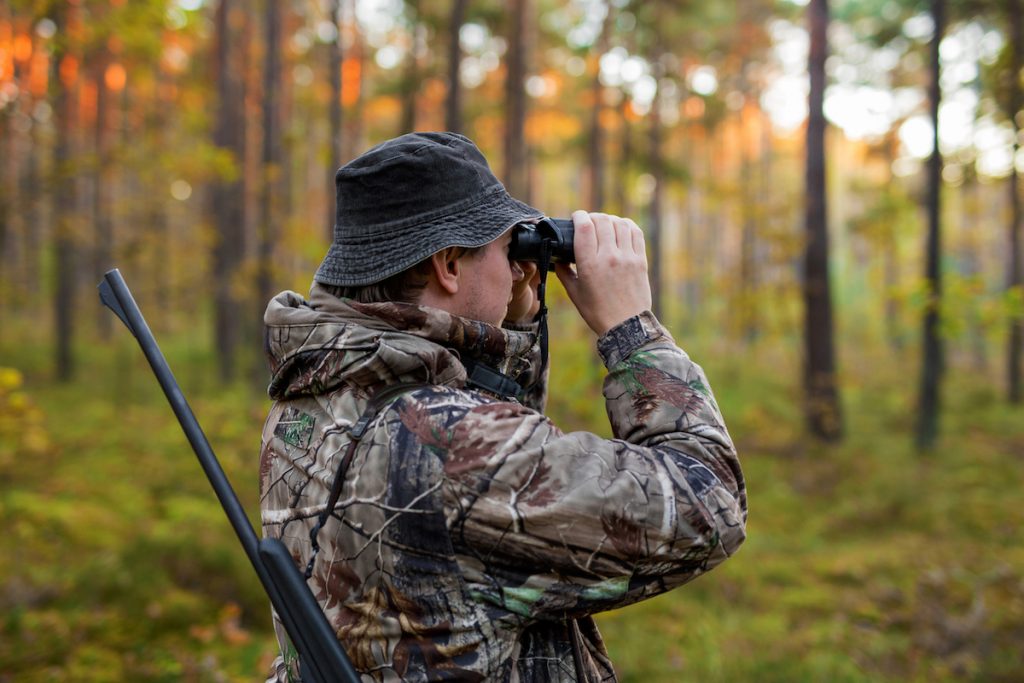
For campers, a monocular is attractive because it keeps the kit small while still giving a dedicated night view. The weak point is that one-eye viewing can be less comfortable during long observation, so the right choice depends on how often you scan, how far you need to identify detail, and whether you need to record what you see.
- Backcountry camping: quick path checks, campsite perimeter review, and gear-area visibility.
- Wildlife observation: short scans without setting up a larger viewing system.
- Rural property checks: compact carry for gates, sheds, driveways, and outbuildings.
- Travel and hiking: lighter packing where a full binocular body feels excessive.
If handheld viewing feels shaky is the main concern, test the monocular against a known distance marker before relying on it outside. A familiar fence line, tree line, or parked vehicle gives a more honest reading than a product claim alone.
Product Feature Explanation
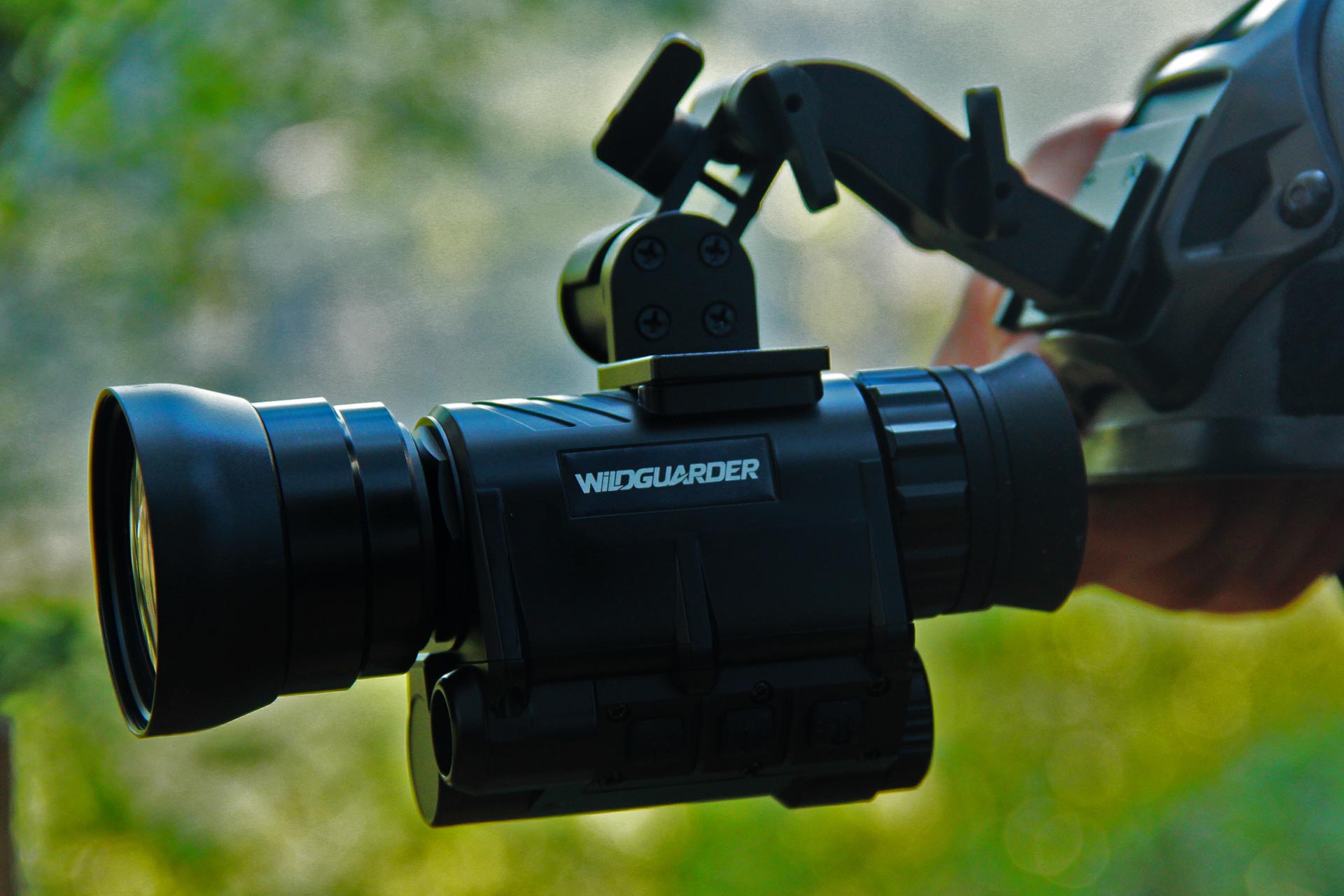
For monoculars, the most important feature group is compact size. A compact body is useful only if the focus wheel, screen brightness, buttons, and power system can be operated without slowing you down in darkness.
Real-world range depends on contrast, weather, lens cleanliness, IR brightness, and how stable your hand position is. The National Park Service light pollution overview is relevant because artificial light, skyglow, and reflective surfaces can make two nights at the same location look very different through the same device.
Use Not the main frame; mention night vision binoculars only if it helps the buyer choose. as comparison objects. Binoculars support steadier two-eye viewing, goggles support hands-free movement, thermal imagers support heat-based detection, and trail cameras support unattended monitoring. A monocular sits between those paths as the compact live-view option.
Buying checklist
| Checklist item | What to verify | Why it matters |
|---|---|---|
| Optical clarity | Test near and mid-distance objects | Shows whether focus is usable outside |
| IR behavior | Start low and increase only when needed | Prevents washed-out nearby objects |
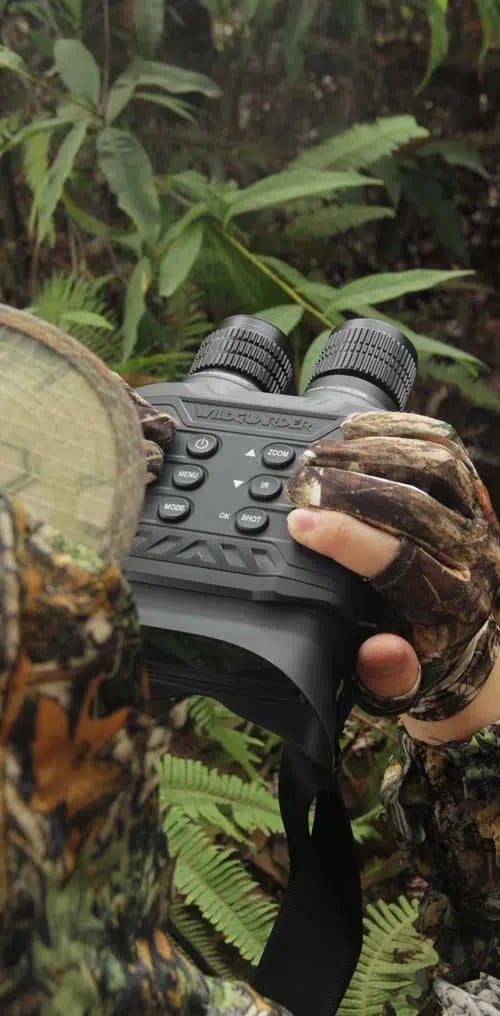
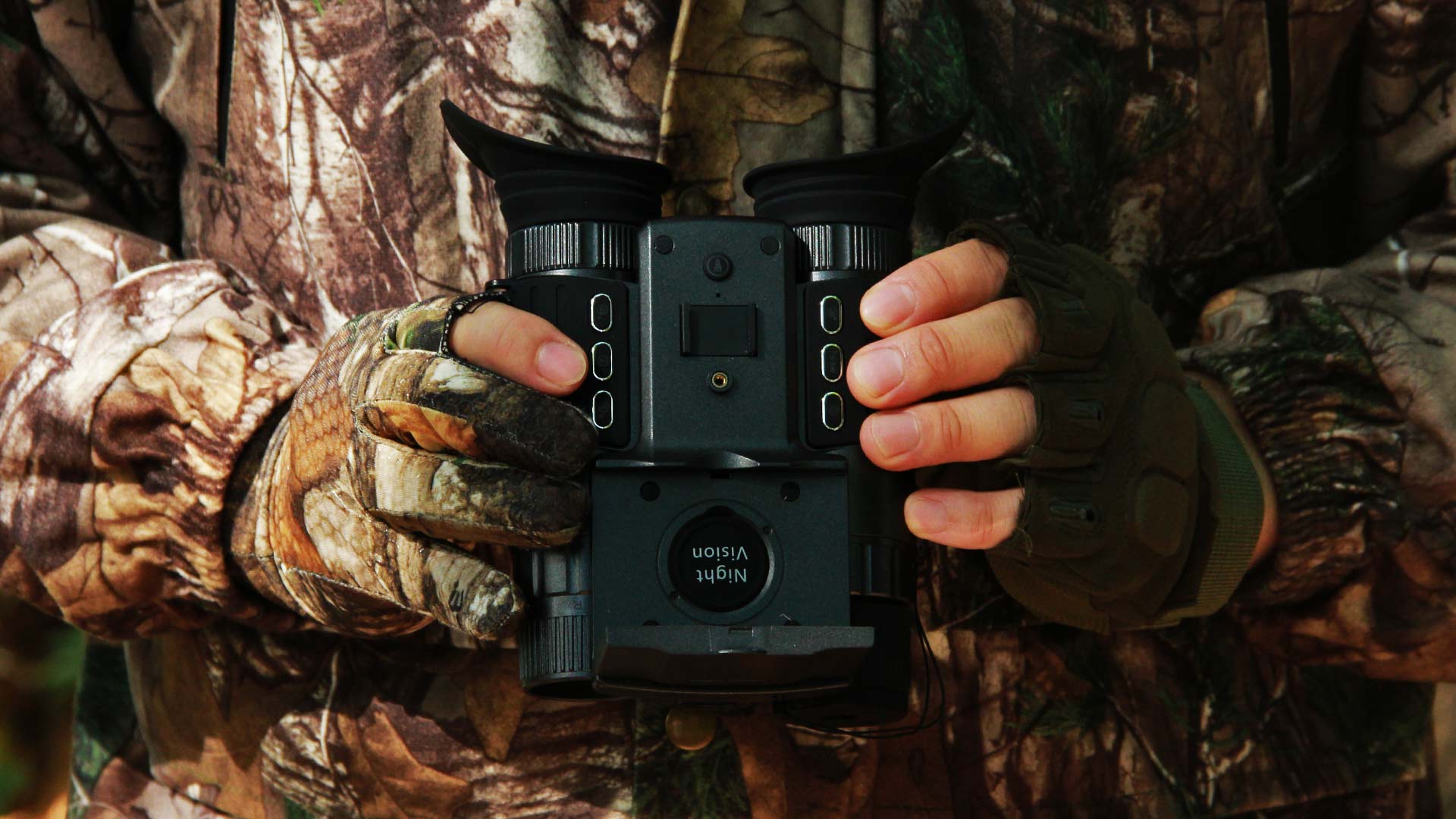
| One-hand control | Operate buttons without looking down | Reduces mistakes in darkness |
| Battery plan | Check runtime with screen and IR active | Avoids shutdown during field use |
| Recording workflow | Confirm card, file, and playback behavior | Useful when documenting observations |
Use this table as a buyer filter before reading model names. Once the field path is clear, product pages become easier to compare because you know which claims are relevant and which are just extra noise.
Use Case Guidance
For Backcountry Camping, start with a calm setup test: set screen brightness, focus on a known object, check IR levels, then scan slowly. A night vision monocular rewards deliberate movement because a single-eye device can feel jumpy if you pan too fast.
- For campsite checks, choose a repeatable route and use the same brightness baseline.
- For wildlife observation, reduce sudden light changes and avoid chasing every movement.
- For property use, test the device near gates, sheds, and reflective surfaces before relying on it.
- For travel, confirm storage, charging, and lens protection before packing.
Use a Backcountry Camping opening example; vary FAQ answer wording, CTA placement, product evidence, and conclusion from adjacent rows with similar monoculars wording. The practical goal is not to make every feature sound important; it is to connect each feature to a real decision.
Supplier Evaluation
Before choosing a supplier or product path, verify verify ip/weather rating, battery safety, warranty, recording specs, ir range, and store-listed claims before drafting.. A serious product page should make the model name, use case, power source, image capability, and accessory notes easy to confirm.
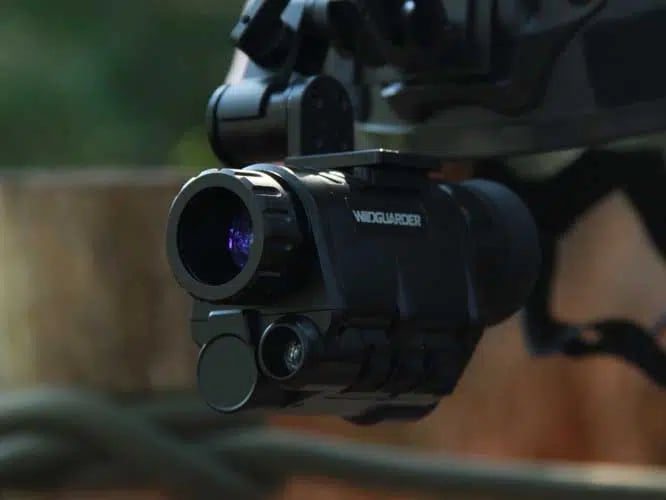
WildGuarder is an outdoor optics brand connected with night vision binoculars, night vision goggles, range finders, solar panel accessories for outdoor power planning, trail cameras, and thermal imagers. For a monocular topic, the main role is compact live observation, while other WildGuarder categories support distance measurement, unattended monitoring, or heat-based detection.
FAQ
What are the main limitations of night vision monoculars?
The main limitation is that a compact monocular gives one-eye viewing, so depth judgment and long-session comfort can feel different from binocular viewing. For Backcountry Camping, also expect range to change with fog, brush, rain, ambient light, and how strongly the infrared illuminator reflects from nearby surfaces.
What does 850nm infrared illumination mean on digital night vision monoculars?
850nm infrared illumination means the device uses near-infrared light that a digital sensor can see better than the human eye. It usually gives useful range and brightness, but it can show a faint red glow at the emitter, so buyers should balance range, visibility, and field discretion.
What is the practical difference between digital night vision monoculars and analog night vision monoculars?
Digital monoculars convert the scene into a screen image and often support recording, menus, and infrared adjustment. Analog night vision is usually judged by tube performance and low-light amplification. For most outdoor buyers, digital is easier to compare by screen, battery, recording, and IR control.
What should I ask a seller or manufacturer about one-eye viewing comfort in night vision monoculars?
Ask about eye relief, weight, tripod or mount compatibility, battery type, charging method, warranty terms, firmware support, and whether accessories are model-specific. A clear answer is more useful than a broad claim about maximum distance.
What are the main benefits of using digital night vision monoculars for pre-dawn scouting?
The main benefit is compact, fast access to night visibility without carrying a larger binocular body. For Backcountry Camping, a monocular is useful when you want to scan a trail edge, check a distant shape, or record a quick observation while keeping your kit light.
What does display resolution mean on digital night vision monoculars?
Display resolution affects how cleanly the processed image is shown to your eye. It does not work alone: sensor quality, lens sharpness, focus control, and image processing all decide whether the final view looks readable in the field.
What does battery capacity mean on digital night vision monoculars?
Battery capacity tells you how much runtime reserve the device may have, but infrared level, recording, temperature, screen brightness, and age of the battery can change real runtime. Buyers should plan a margin instead of assuming the best-case figure.
What does eye relief mean on digital night vision monoculars?
Eye relief is the distance between your eye and the viewing point where the image still appears usable. Good eye relief helps comfort, especially for longer sessions or buyers who wear glasses.
What does video frame rate mean on digital night vision monoculars?
Video frame rate affects motion smoothness and recording usefulness. A higher frame rate can make walking or moving subjects look more natural, but low-light exposure, sensor noise, and storage settings still affect the result.
What does button layout mean on digital night vision monoculars?
Button layout matters because night use is often done by feel. Separate, easy-to-identify controls help reduce mistakes when changing brightness, focus, recording, or IR settings in darkness.
Conclusion
How to Choose Monoculars for Backcountry Camping is ultimately a practical field question. A monocular is a strong choice when compact carry, quick scanning, and simple one-eye viewing matter more than long two-eye observation or full hands-free movement.
Start with the Night Vision Monoculars hub, then compare relevant products in the WILDGUARDER Official Store. For a compact purchase path, review Night Vision Monoculars store category and model pages such as WILDGUARDER CAMLEON 100 Night Vision Monocular, WILDGUARDER T150 Thermal Monocular, and WILDGUARDER WG-T009 Thermal Imager Monocular when those product types match your use case.
Where WildGuarder Fits
Use WildGuarder educational pages for concept learning and the WILDGUARDER Official Store for product comparison. The natural path is to read about Night Vision Monoculars hub, compare adjacent categories such as Night Vision Comparisons, then move to store pages only when the article has explained why that product type is relevant.
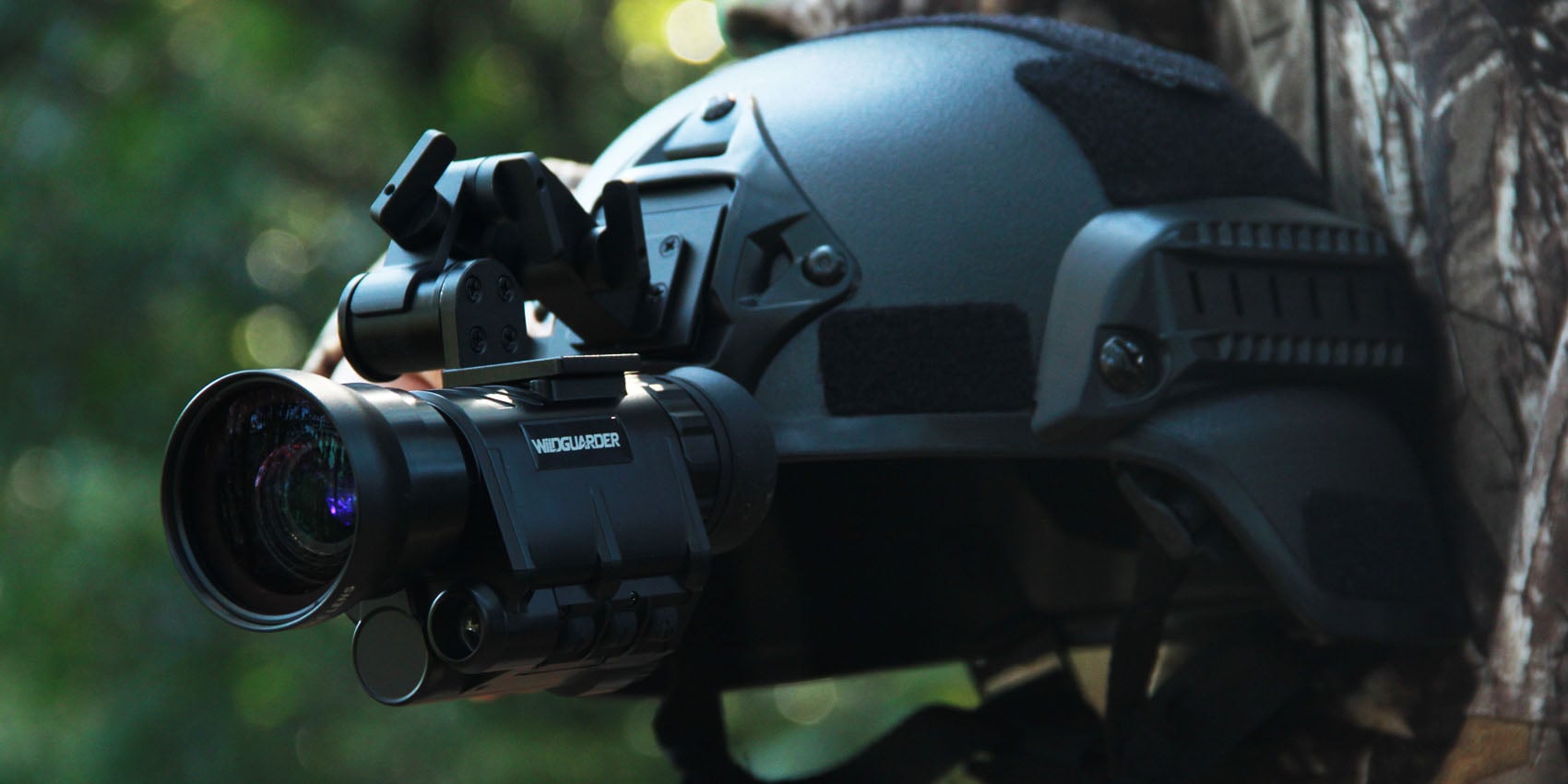
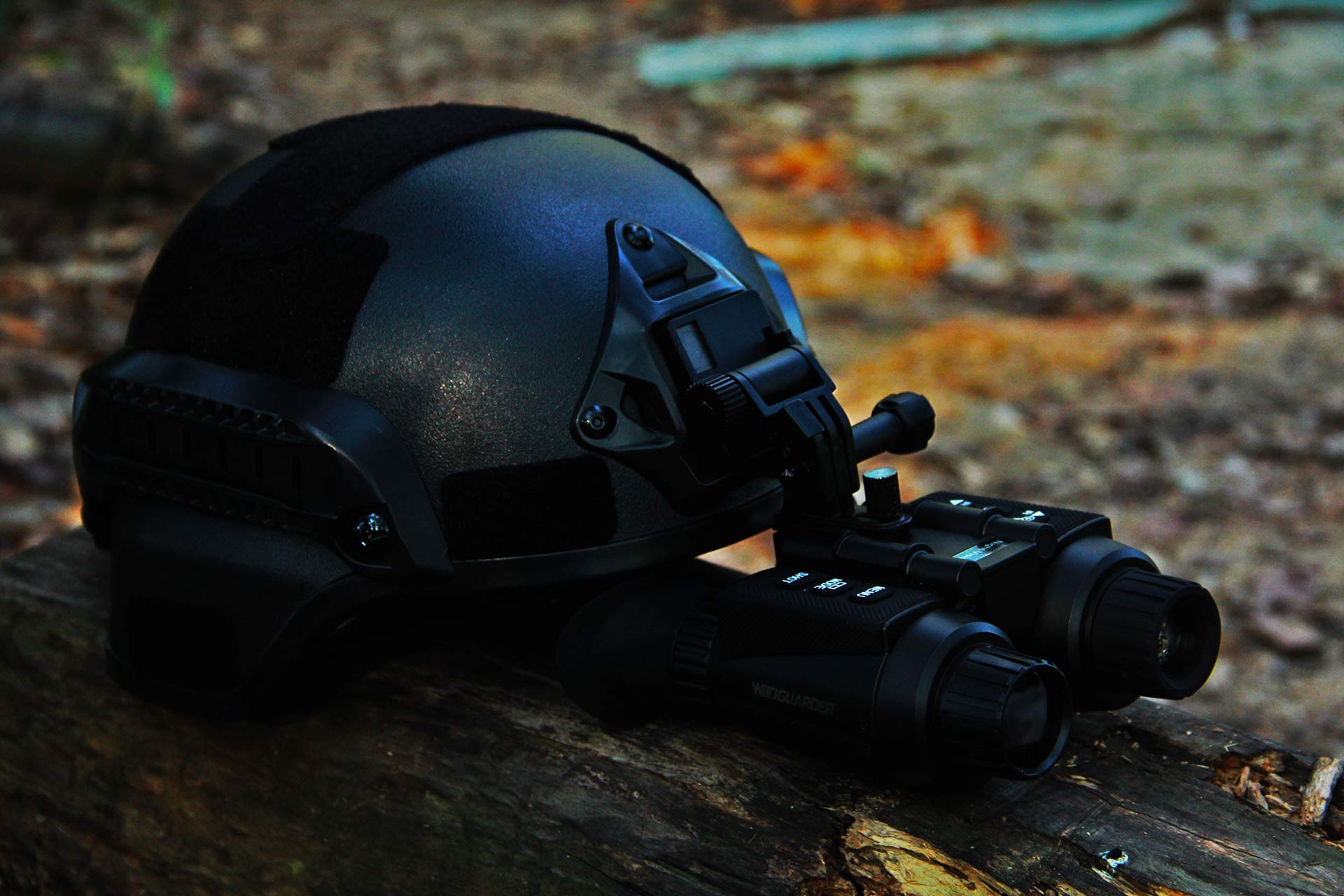
For this monocular group, the most relevant store destination is Night Vision Monoculars store category. If you are comparing adjacent options, the same article can naturally mention WILDGUARDER WOLFER-4 Helmet-Mounted Monocular, Night Vision Goggles store category, Night Vision Binoculars store category without turning the article into a product list.
Related Reading
- Night Vision Monoculars hub
- Night Vision Optics hub
- Night Vision category
- Digital Night Vision
- Infrared Night Vision
- Night Vision Buying Guides
- Night Vision Comparisons
- Night Vision Range and Distance
- Night Vision Monoculars store category
- WILDGUARDER CAMLEON 100 Night Vision Monocular
- WILDGUARDER T150 Thermal Monocular
- WILDGUARDER WG-T009 Thermal Imager Monocular
- WILDGUARDER WOLFER-4 Helmet-Mounted Monocular
- Night Vision Goggles store category