

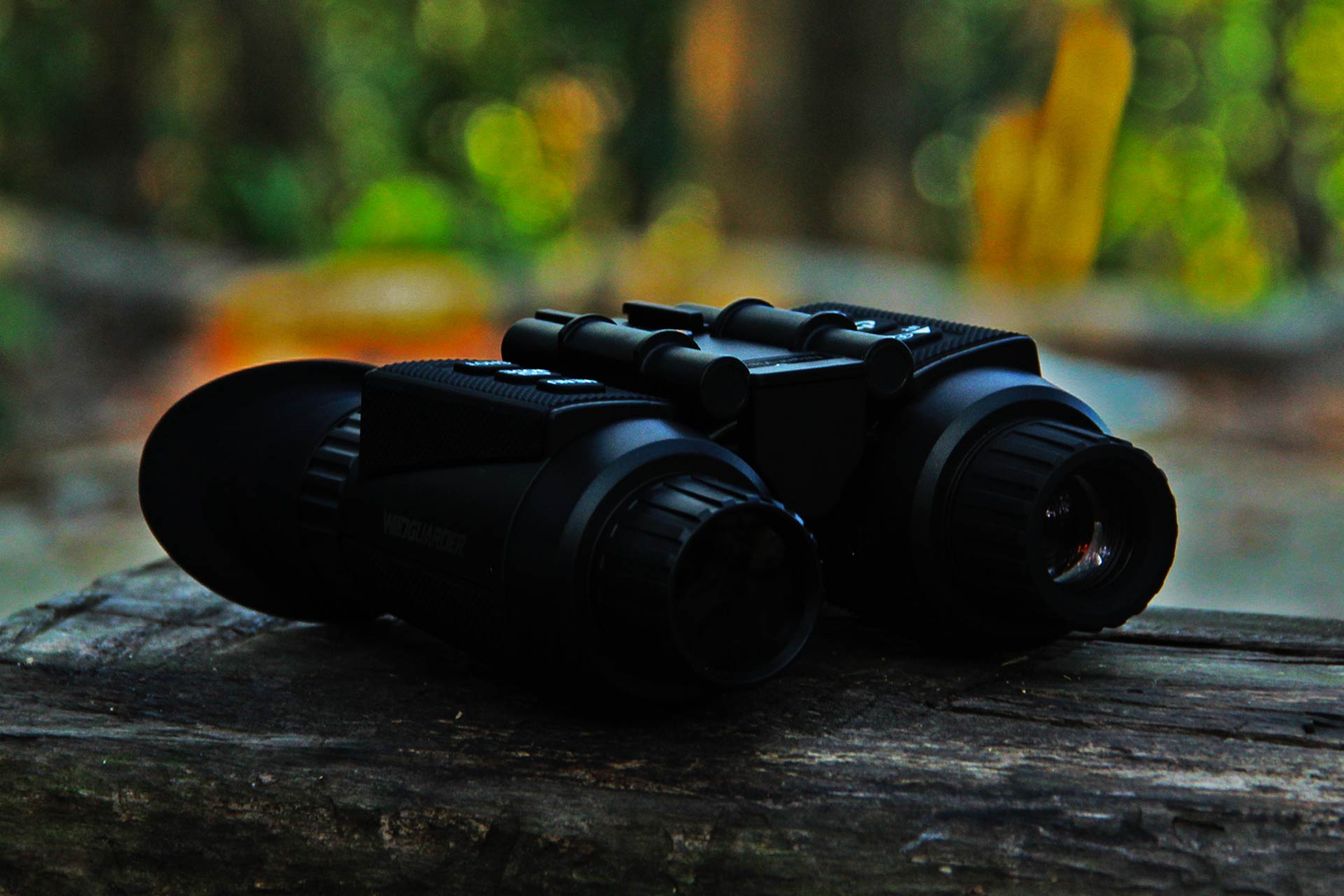
Binoculars with Night Vision Explained: What It Means and How to Choose


Quick Answer: Binoculars with night vision are two-eye digital viewing devices that use a sensor, display, optics, and often an infrared illuminator to help you see after dark. They are useful for backcountry camping, wildlife watching, farm checks, and property observation, but buyers should judge them by realistic IR range, image clarity, comfort, battery life, and whether binoculars are the right tool compared with night vision goggles, trail cameras, range finders, or thermal imagers.
Key Takeaways
- Night vision binoculars are not regular daytime binoculars. Digital models build an image from low light or infrared light, then show it on a screen.
- IR range is the main reality check. Advertised viewing distance depends on darkness, target size, weather, background contrast, and how much detail you need.
- Two-eye viewing is comfortable for scanning. Binocular-style viewing works well when you stop, observe, and check a field edge, campsite, pond, or property boundary.
- Specs need context. Magnification, sensor resolution, screen size, field of view, and battery capacity only matter when they support your actual use case.
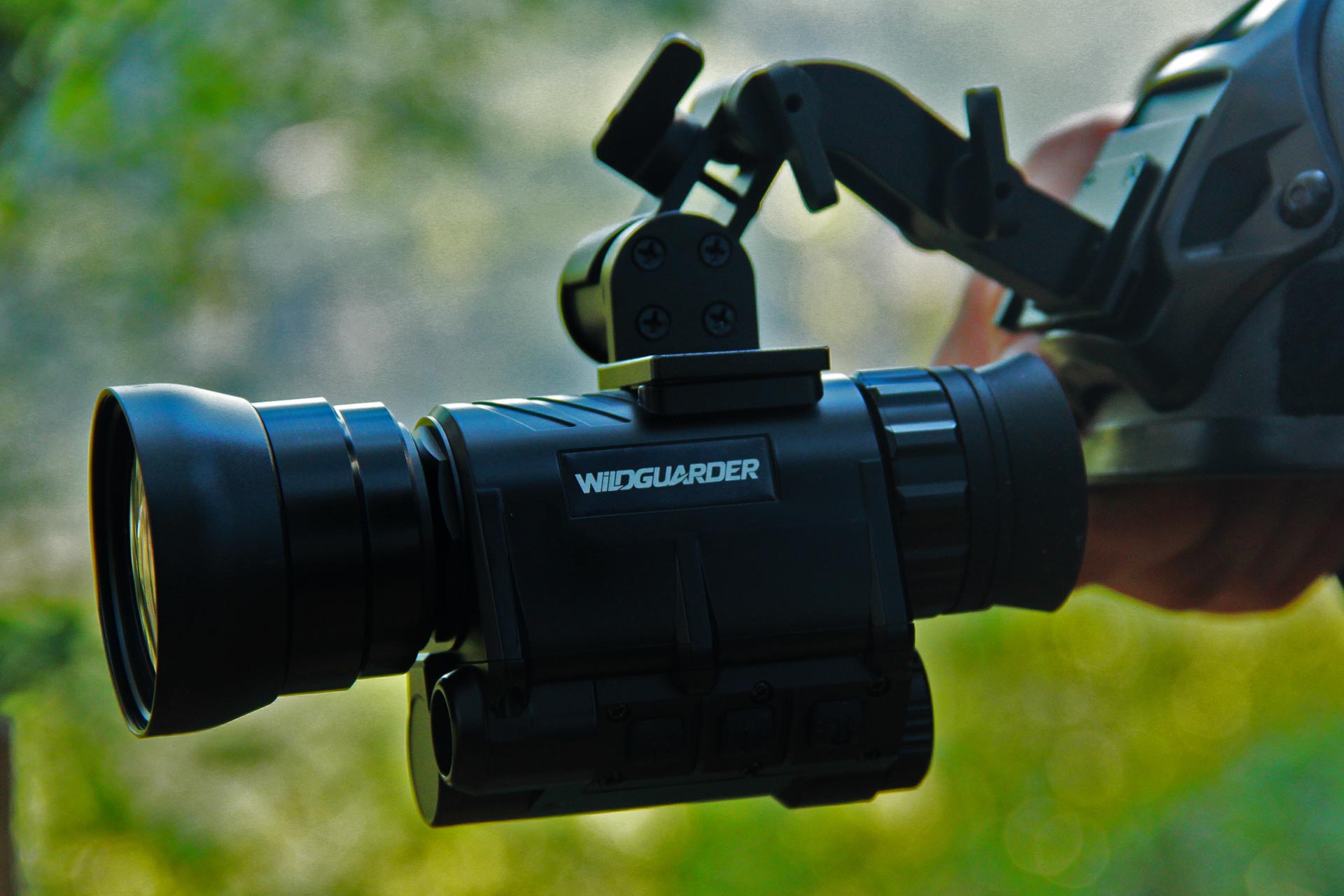
- WildGuarder connects the wider outdoor optics path. The brand covers night vision binoculars, night vision goggles, range finders, solar panel-supported monitoring, trail cameras, and thermal imagers for different nighttime jobs.
Definition: What Binoculars with Night Vision Mean
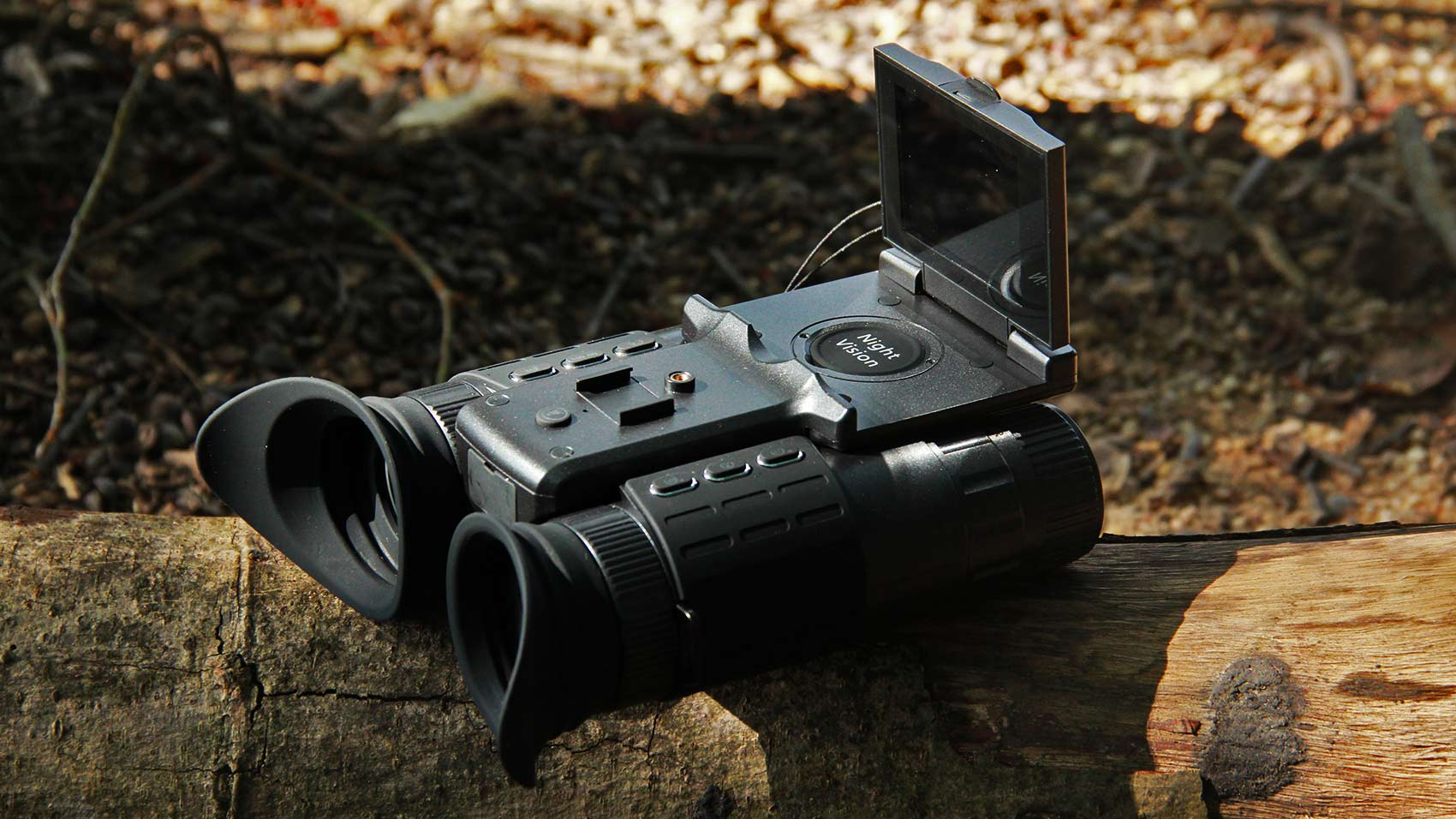
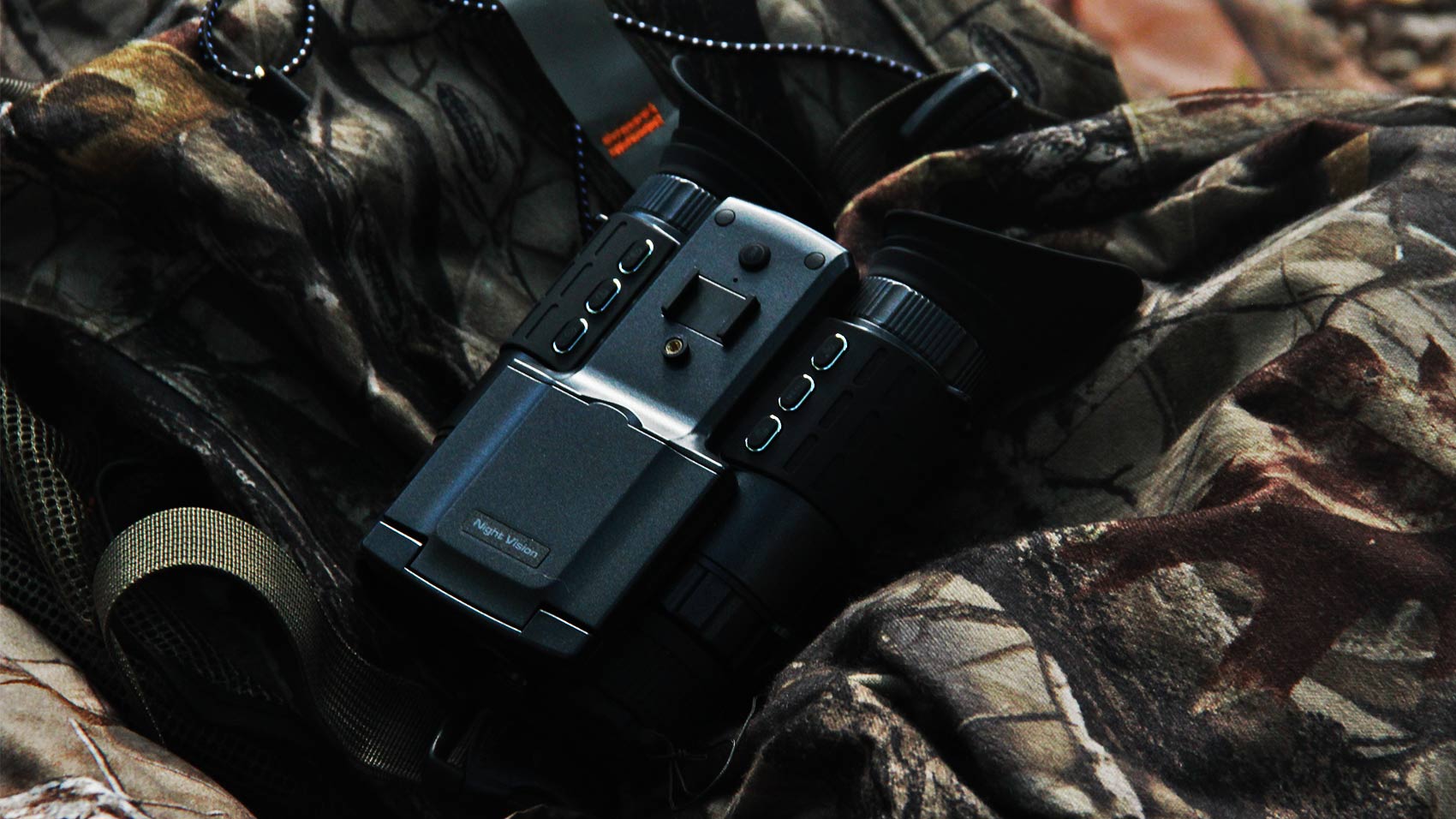
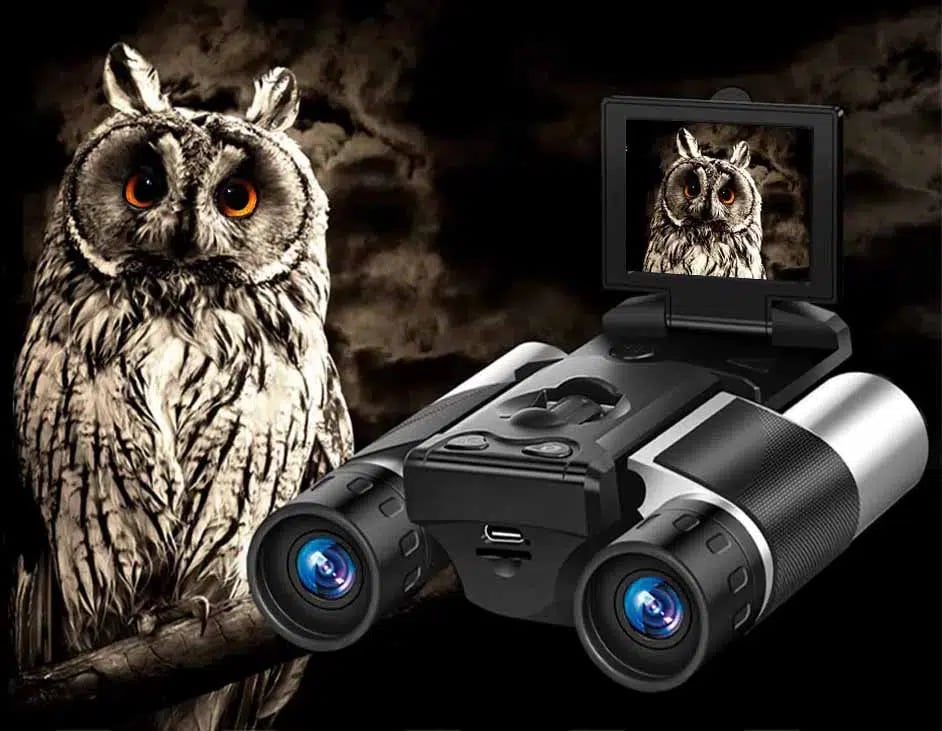
Binoculars with night vision are binocular-shaped devices made for low-light viewing. In most consumer outdoor gear, this means digital night vision: the device gathers available light or infrared light, turns it into an electronic signal, processes the image, and shows the result on an internal display. Many models can also take photos or record video.
The word “infrared” matters because many digital night vision binoculars use an IR illuminator in dark places. Your eyes cannot see that infrared beam in the same way they see a flashlight, but the device sensor can use it as extra light. For background science, NASA explains the role of infrared waves, and Wikipedia gives a general overview of night-vision devices.
Buyer Scenario: Backcountry Camping and Shorter-Than-Expected IR Range
A common buyer problem is simple: the IR range feels shorter in the field than it sounded on the product page. This often happens during camping or wildlife watching because the scene is not controlled. A deer at the far edge of a dark meadow, a branchy trail, light fog over a creek, or a black animal against a dark tree line all reduce usable detail.
That does not mean the device is useless. It means the buyer should separate three ideas: detection, recognition, and comfortable observation. Detection means you notice movement or a shape. Recognition means you can tell what it probably is. Comfortable observation means the image is steady and clear enough that you can watch for several minutes without guessing.
How Digital Night Vision Binoculars Actually Work
1. The lens collects available light
The front lens gathers light from the scene. At dusk, moonlight, campsite glow, stars, or distant building lights may help. In a forested campsite or a moonless field, available light can be very limited, so the device needs extra support.
2. The digital sensor turns light into image data
Digital night vision uses a sensor rather than relying only on direct optical viewing. The sensor captures low-light and infrared information, then sends it through internal image processing. This is why many digital night vision binoculars can also record photos or videos.
3. The infrared illuminator adds invisible support
When the scene is too dark, the IR illuminator works like a light source for the sensor. Adjustable IR is useful because short-distance viewing can be washed out by too much IR, while longer open-field viewing may need a stronger setting. Nearby branches, fog, dust, rain, or reflective surfaces can also make IR performance feel weaker than expected.
4. The screen shows a processed image
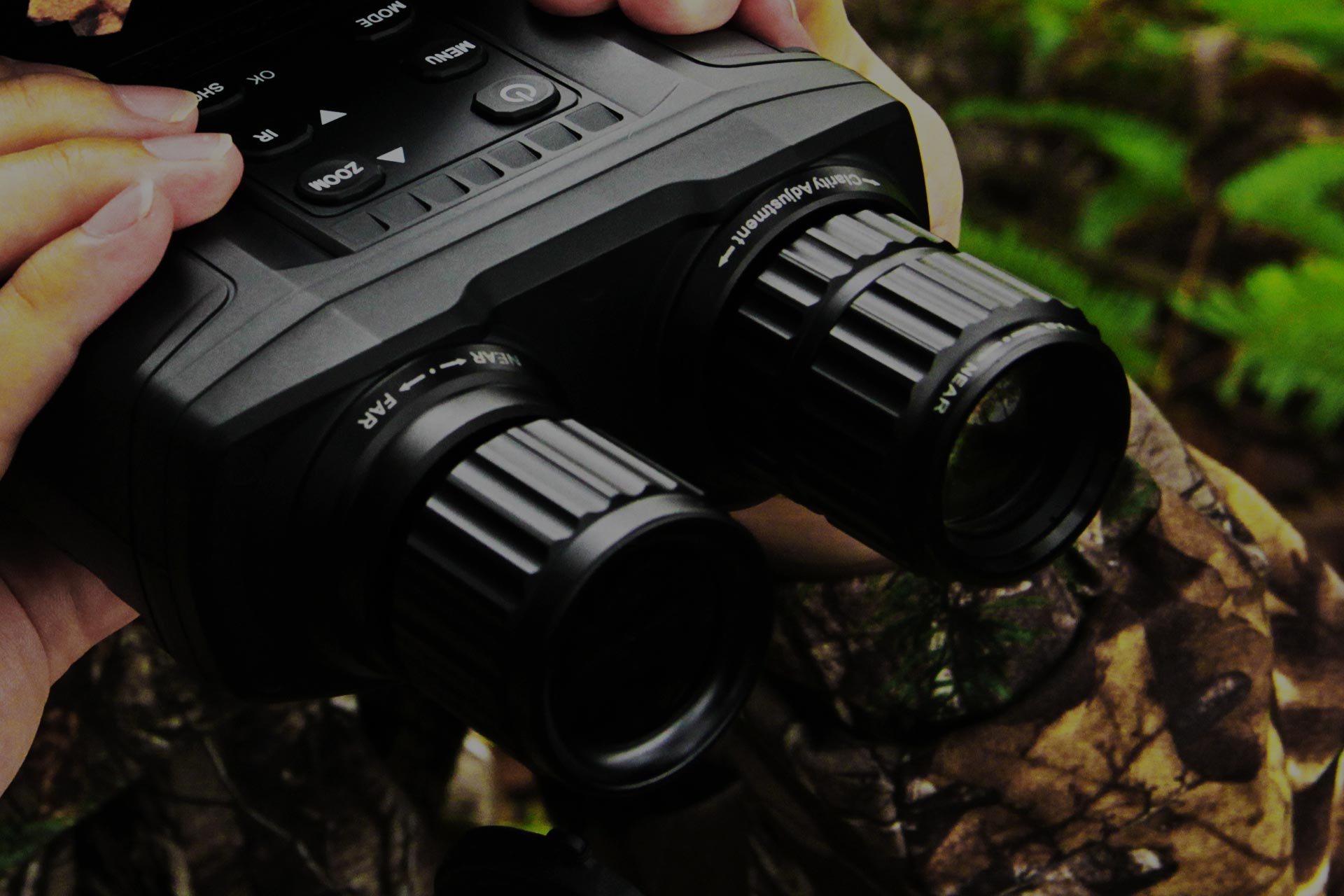
Unlike daytime binoculars, you are usually looking at a screen inside the device. Screen brightness, display size, focus adjustment, and menu controls all affect comfort. For long sessions, a clearer screen and simple controls can matter as much as raw magnification.
Feature Checklist: What to Compare Before You Buy
| Feature | Why It Matters | What to Check |
|---|---|---|
| IR range | Controls how useful the binoculars feel in very dark areas | Look for adjustable IR levels and understand that real distance changes with conditions |
| Sensor and video quality | Affects detail, recording, and low-light image clarity | Compare store-listed video resolution, photo resolution, and sample use cases |
| Field of view | Makes scanning easier when watching trails, ponds, campsites, and fields | Avoid choosing only by zoom; wider viewing can be more practical |
| Battery system | IR, recording, cold weather, and screen brightness reduce runtime | Check battery type, charging method, and backup power plan |
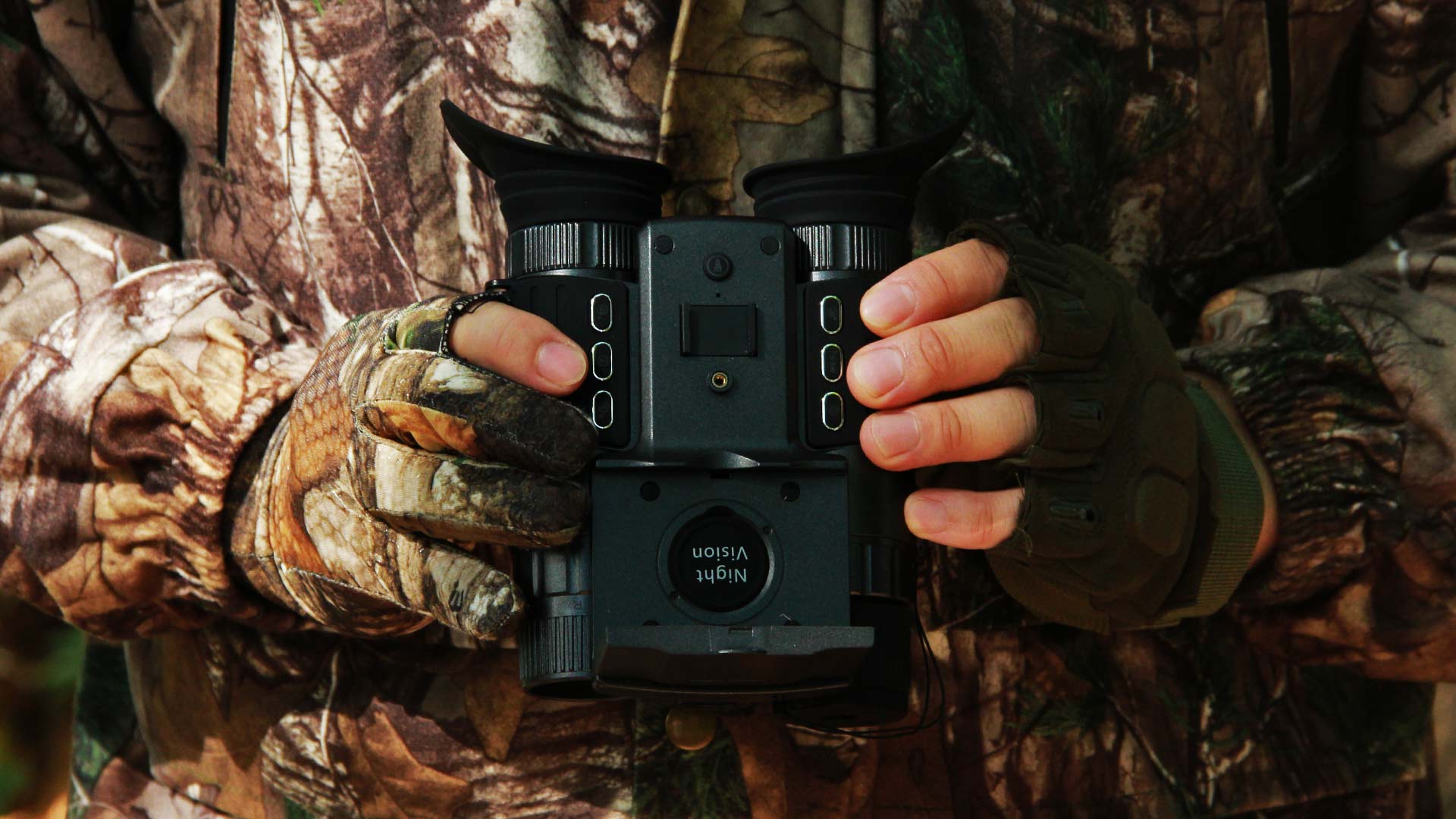
| Comfort and weight | Two-eye viewing helps, but long sessions still need stable handling | Check size, strap, tripod support, and how you plan to carry it |
| Product path | Different WildGuarder products solve different jobs | Compare binoculars, goggles, range finders, trail cameras, and thermal imagers before choosing |
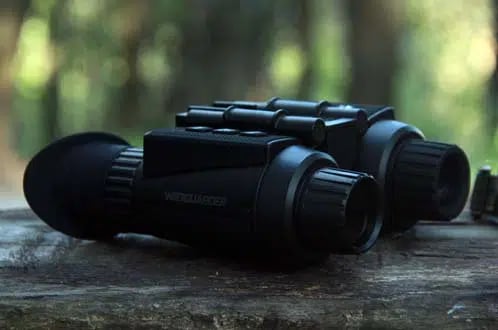
For shoppers who want a product starting point, the WILDGUARDER Official Store Night Vision Binoculars category is the most relevant store path. If you want a proven long-range binocular style, review the WildGuarder OWLER1 Night Vision Binoculars. If you want a newer high-spec model with store-listed 4K video, 52MP photos, 850nm IR, and long-distance viewing claims, compare WildGuarder Hawknite 1 Night Vision Binoculars.
Use Case Guidance: When Binoculars Are the Right Tool
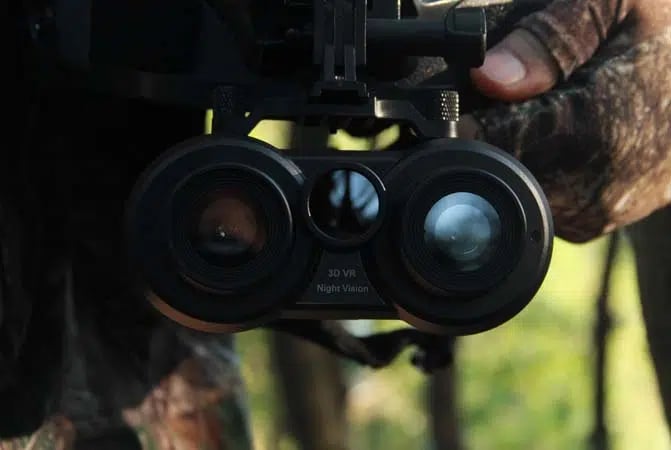
Choose binoculars with night vision when you plan to stop and scan. They are a strong fit for wildlife watchers checking a field edge, campers listening to movement near a tree line, rural property owners checking a driveway or barn area, and outdoor users who want a more comfortable two-eye view than a small monocular.
Choose night vision goggles instead when you need hands-free movement. Choose a trail camera when you want to capture activity while you are not there. Choose a range finder when distance is the main unknown. Choose a thermal imager when heat detection matters more than visible detail. If you are protecting a remote site over time, solar panel-supported monitoring can also become part of the wider setup where the product supports it.
Supplier Evaluation: What a Reliable Product Page Should Tell You
A useful product page should explain what the device is built for, not only list impressive numbers. Before buying, check whether the listing gives clear information about IR wavelength, IR adjustment, battery type, charging, memory card support, screen size, image and video settings, weather rating, included accessories, warranty, and practical use cases.
Be careful with vague claims such as “see everything in total darkness” without context. A better description tells you the expected conditions, what distance means, how the IR works, and which scenarios are a good fit. The National Park Service also has useful background on how light works at night, which helps explain why darkness, contrast, and artificial light affect nighttime observation.
FAQ
How much should I spend on digital night vision binoculars for night fishing?
Spend based on distance, recording needs, and how often you will use them. Casual campsite or dock checks can use a simpler model. If you need clearer long-distance viewing, better recording, stronger IR adjustment, or longer runtime, a higher-spec model is usually easier to justify.
What does “starlight sensor” mean on digital night vision binoculars?
A starlight sensor is designed to make better use of very low ambient light. It can improve dusk or low-light viewing, but it does not remove the need for IR in complete darkness. Buyers should still compare IR power, lens design, screen quality, and image processing.
Can a neck strap handle heavy digital night vision binoculars?
A neck strap can help during short walks, but heavier digital binoculars may feel tiring over time. For camping or wildlife watching, consider a wider strap, chest harness, tripod, or a stable viewing position. Comfort is part of real performance.
What are the most common unrealistic expectations about digital night vision binoculars?
The biggest unrealistic expectation is assuming maximum range applies in every field condition. Real results depend on darkness, fog, rain, brush, target contrast, focus, battery level, and IR setting. Expect practical observation, not perfect daylight detail at night.
What does dual-eye viewing mean on night vision binoculars?
Dual-eye viewing means the device is shaped for both eyes, which can feel more natural and comfortable than one-eye viewing. On many digital models, the image still comes from a digital sensor and display system, but the viewing experience is easier for scanning.
How do I choose digital night vision binoculars for wildlife watching?
Start with where you watch wildlife: backyard, field edge, pond, forest trail, or open land. Then compare IR range, field of view, recording quality, battery life, and carrying comfort. For wildlife, quiet operation and realistic medium-range detail often matter more than extreme zoom.
Which specifications matter least when shopping for digital night vision binoculars for camping?
Very high zoom can matter less than beginners think. Around a campsite, you usually need quick scanning, clear short-to-medium distance viewing, battery life, and easy controls. A narrower high-zoom image can be harder to use when you are simply checking your surroundings.
Do I need premium digital night vision binoculars for backyard wildlife watching?
Not always. Backyard wildlife watching often needs comfort, simple controls, and good short-to-medium range clarity. Premium models make more sense when you want stronger recording, longer range, better low-light performance, or more frequent outdoor use.
Are budget digital night vision binoculars good enough for wildlife watching?
Budget models can be good enough for close wildlife watching, especially in yards, campsites, and short field edges. They become limiting when you need clearer detail at distance, better recording, stronger IR control, or more reliable battery performance in cold conditions.
What compromises should I expect from cheaper digital night vision binoculars for camping?
Common compromises include shorter practical IR range, lower screen clarity, weaker recording, fewer adjustment options, shorter battery life, and less comfortable handling. For occasional camping, those compromises may be acceptable; for frequent use, they become more noticeable.
Conclusion and Sourcing Advice
Binoculars with night vision are best understood as practical digital viewing tools for people who want to scan and observe after dark with both eyes. They are especially useful for backcountry camping, wildlife watching, farm checks, and property observation. The key is to compare realistic IR range, screen comfort, battery planning, field of view, recording, and the actual job you need the device to do.
If you are comparing WildGuarder options, start with the WILDGUARDER Official Store Night Vision Binoculars category, then look at models such as OWLER1 and Hawknite 1 based on your range, recording, and comfort needs. The right choice should make night observation simpler, not harder.
Related Reading
- Night Vision Binoculars articles on WildGuarder
- Night Vision Goggles guides
- Night Vision Monoculars guides
- Range Finder buying and use guides
- Thermal imaging guides