

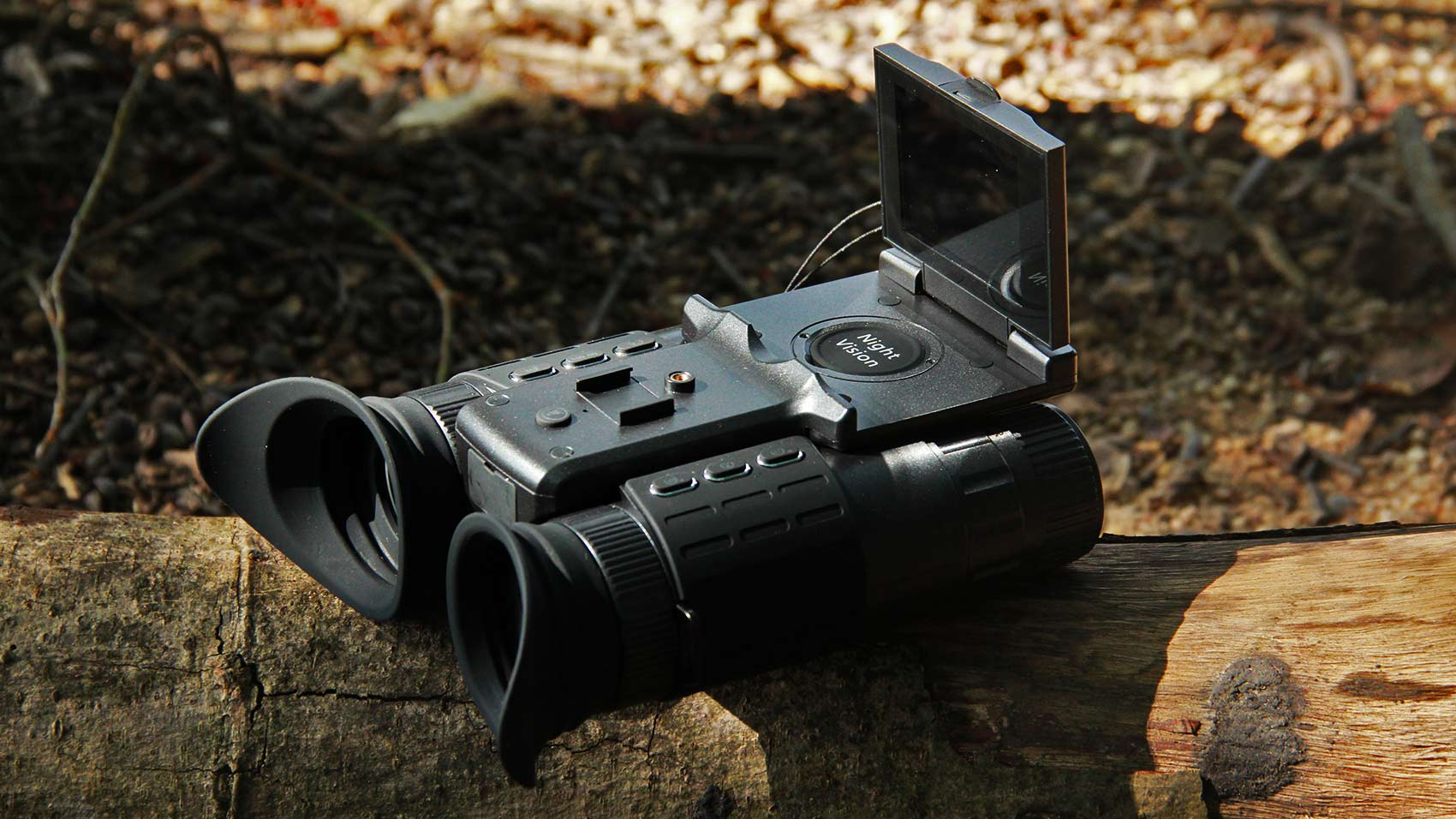
Night Vision Binocular IR Range Explained: How to Read Real-World Limits

Quick Answer: A night vision binocular IR range is the practical distance at which its infrared illuminator and sensor can create a usable image in darkness. The real-world limit is often shorter than the advertised maximum because fog, brush, rain, dark backgrounds, small animals, low battery, hand movement, and poor focus reduce visible detail. Use range claims as a starting point, then compare the device by identification distance, IR adjustability, image contrast, and how it performs in the place you actually watch.
Key Takeaways
- IR range is conditional. It changes with target size, weather, surface reflectivity, moonlight, and background contrast.
- Detection is not identification. Seeing that something is there is easier than knowing exactly what it is.
- 850nm IR is common for digital night vision. It can support useful illumination, but performance still depends on sensor and optics.
- Focus and steadiness affect range. A shaky or slightly unfocused image shortens usable distance.
- WildGuarder links night vision binoculars with adjacent outdoor tools. Goggles, range finders, solar panel-supported monitoring, trail cameras, and thermal imagers each solve a different visibility or monitoring problem.
Definition: What IR Range Means
Definition: IR range is the distance at which infrared light from a night vision device helps the sensor produce a usable image. It is not a fixed promise that every object will be clear at one distance. A large pale structure, a reflective sign, and a moving animal under trees may all appear differently at the same range.
Infrared light is outside normal visible sight. NASA explains that infrared waves sit beyond visible red light and are part of the electromagnetic spectrum. In digital night vision, the device can use IR illumination that your eyes do not perceive in the same way, then convert the sensor signal into a screen image.
Why Advertised Range Feels Shorter Outdoors
The plan row for this article names the buyer as a ranch owner and the pain point as IR range feeling shorter than advertised. That is common in fields, fence lines, ponds, and wooded edges. A product may list a maximum range under favorable conditions, but outdoor scenes rarely stay ideal.
Brush absorbs and scatters light. Fog and mist reduce contrast. Wet leaves and reflective objects can create bright spots. A dark animal against dark brush is harder to read than a pale shed wall at the same distance. Low battery can also affect screen brightness, IR output, and recording confidence. For this reason, the most useful question is not only how far the device can detect movement, but how far it can help you recognize what you are seeing.
The main-site Night Vision Range and Distance hub is relevant for this buying question, while IR Illuminator and Infrared Guides supports more technical buying research.
Performance Factor Table
| Factor | Effect on IR Range | Buyer Action |
|---|---|---|
| Target size | Large objects appear farther than small animals | Compare detection and identification distance separately |
| Background contrast | Dark-on-dark scenes reduce usable detail | Test against trees, fences, water edges, and open ground |
| Weather | Fog, rain, dust, and humidity scatter light | Leave range margin for difficult nights |
| IR level | Too little light gives a dark image; too much can wash out close subjects | Use adjustable IR and retest at near and far distances |
| Focus | Small focus errors reduce distance clarity | Focus before zooming or recording |
| Digital zoom | Can enlarge a weak image without adding real detail | Scan wide, then zoom only after the target is centered |
| Battery condition | Low power can reduce practical session quality | Charge fully and carry a power plan for long observation |
850nm, 940nm, and What Buyers Should Actually Ask
Many consumer digital night vision devices use infrared illumination near common bands such as 850nm or 940nm. The exact user experience depends on the device design, sensor sensitivity, IR power, and the scene. A buyer should avoid treating one wavelength label as the whole answer. The better question is whether the product’s IR system works for the distance, discretion, and image detail needed.
For many outdoor buyers, 850nm support is a practical choice because it often provides stronger visible-to-sensor illumination than more discreet IR options. If you need less visible glow from the illuminator, you may compare other IR approaches, but range and detail may change. The 850nm vs 940nm Infrared category can help organize those future comparisons.
How to Test a Night Vision Binocular for Real Range
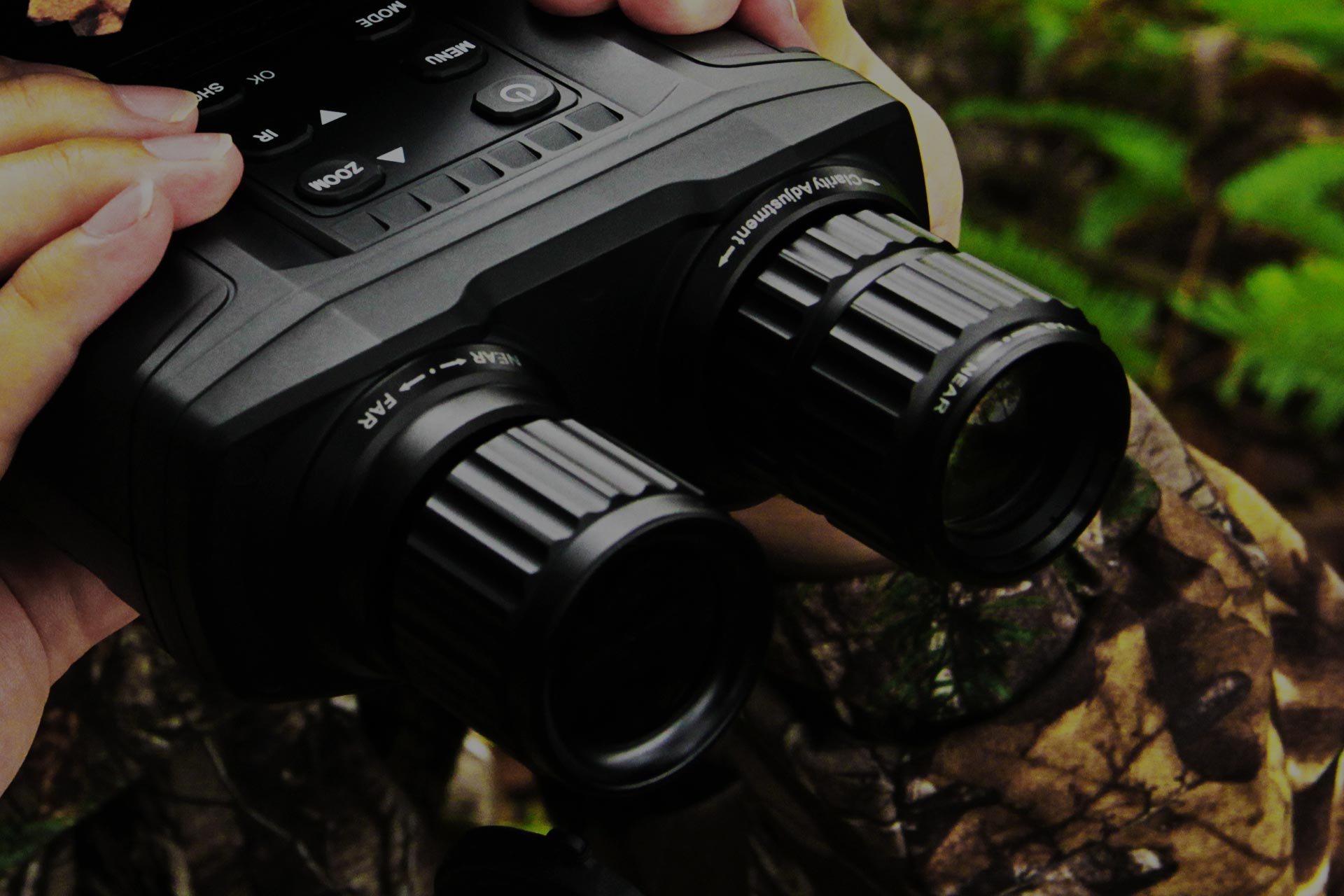
A clean test uses several known distances. Place yourself at a porch, gate, driveway, field edge, or trail marker where you know approximate distances. Start without digital zoom. Adjust focus carefully. Test low, medium, and high IR levels. Then check whether you can detect movement, separate a subject from the background, and identify enough detail for the task.
The National Park Service guide to how light works is a useful reminder that nighttime vision and brightness perception are not linear. NPS also explains light pollution factors such as glare and skyglow, which can change what you see through any night viewing device.
Store Selection: Match IR Range to the Job
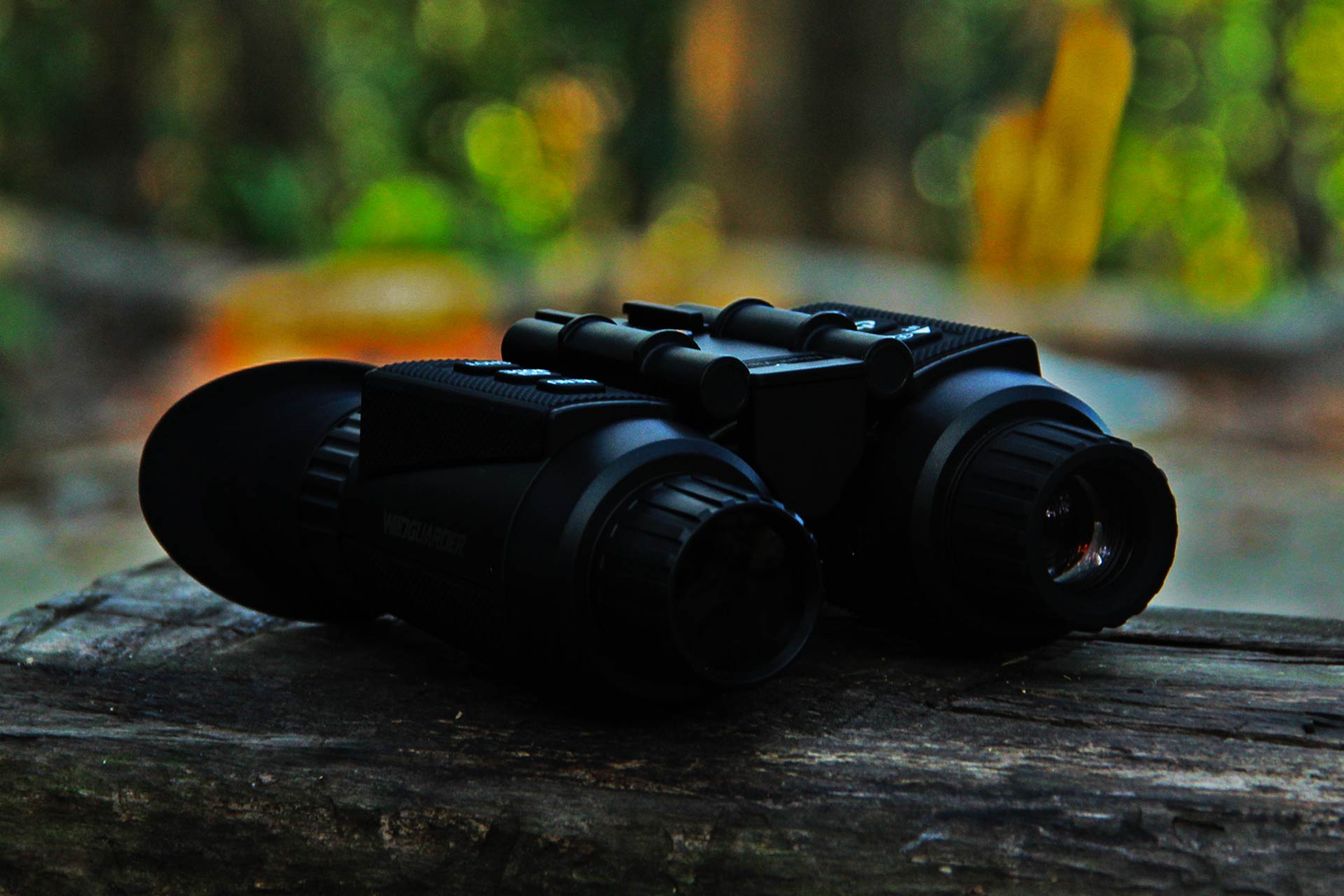
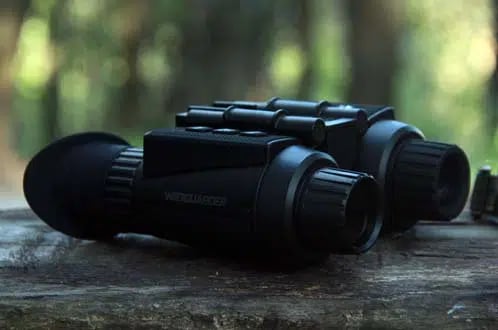
Start with the WILDGUARDER Official Store night vision binoculars category when you want a binocular format. The WildGuarder OWLER1 long viewing range night vision binoculars are relevant when range and optical zoom are central concerns. The WildGuarder WG4900 Night Vision Binoculars are a fit when full-color IR vision and digital zoom are part of the shortlist.
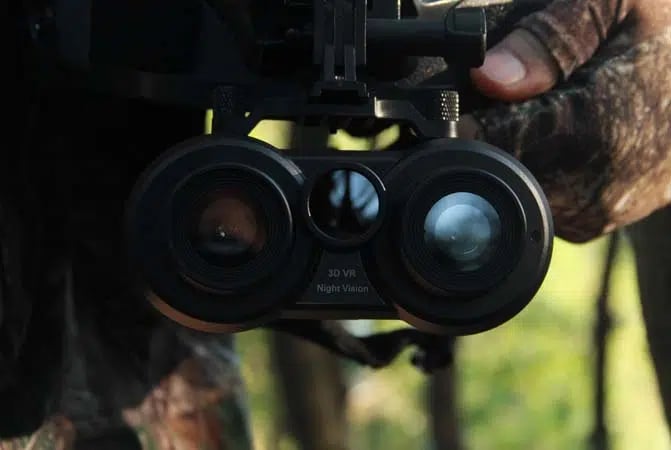
If you need hands-free movement instead of steady handheld viewing, compare WildGuarder WG9300 Night Vision Goggles Binoculars. If distance measurement is the missing piece, a range finder may be a better companion product. If unattended wildlife monitoring is the job, trail cameras and compatible solar panel-supported setups may be more efficient. If the problem is heat detection rather than visible detail, thermal imagers are the more direct category.
Checklist Before You Trust a Range Claim
- Ask whether the listed distance is detection distance or identification distance.
- Check whether the claim depends on full IR power, open terrain, or a highly reflective target.
- Read store-listed sensor, screen, zoom, battery, and accessory details together.
- Plan for fog, rain, brush, and dark animal backgrounds.
- Test focus before using digital zoom.
- Keep a battery margin if you will record video.
- Compare night vision binoculars with trail cameras or thermal imagers if the job is monitoring rather than live viewing.
FAQ
How far can premium digital night vision binoculars see?
They may detect large objects at longer distances under favorable conditions, but useful identification range is usually shorter. Target size, weather, contrast, IR level, and focus all matter.
How do I choose digital night vision binoculars for long-range observation?
Choose by practical identification distance, adjustable IR, stable magnification, focus precision, battery plan, and whether the product has enough image clarity for your field or property layout.
Are budget digital night vision binoculars good enough for long-range observation?
Budget models can work for closer checks, but long-range use demands stronger IR support, better sensor handling, steadier viewing, and clearer focus. Leave room in your decision for those limits.
What should I look for when buying night vision binoculars?
Look for clear range information, IR adjustability, image quality, battery life, recording features, weather readiness, and a product page that explains specifications in practical terms.
What does IR range mean on a night vision binocular?
It means the practical reach of the infrared illumination and sensor system. It should be interpreted as conditional rather than a guaranteed clear-view distance.
Why does IR range drop in fog or rain?
Moisture scatters light and reduces contrast. The image can look flatter or brighter in the wrong places, making it harder to identify subjects at distance.
Does digital zoom increase night vision range?
Digital zoom can enlarge the image, but it does not create detail that the sensor did not capture. Use zoom after focus and framing are already stable.
Is 850nm infrared good for night vision binoculars?
850nm infrared is common and practical for many digital night vision devices, but results depend on the full system: sensor, IR output, lens, screen, and field conditions.
Should ranch owners choose binoculars, goggles, or trail cameras?
Choose binoculars for live viewing, goggles for hands-free movement, and trail cameras for unattended monitoring. Many properties benefit from more than one tool.
How can I test night vision range before relying on it?
Test known distances in the same location where you plan to use the device. Try different IR levels, focus settings, and backgrounds before judging performance.
Conclusion
A night vision binocular IR range claim is useful only when you translate it into real viewing conditions. Detection distance, identification distance, weather, focus, IR level, battery condition, and target contrast all shape the result. Buyers who understand those limits make better choices and avoid frustration.
For WildGuarder buyers, the practical path is clear: use night vision binoculars for live two-eye observation, goggles for hands-free movement, range finders for distance decisions, solar panel-supported trail camera setups for longer remote monitoring, and thermal imagers when heat detection is the main job. Start from the range you truly need, then compare the store models that match that field problem.
Related Reading
- Night Vision Binoculars articles on WildGuarder
- Night Vision Range and Distance
- IR Illuminator and Infrared Guides
- Infrared Night Vision guides
- Night Vision Image Quality
- Night Vision for Wildlife Observation
- Backyard Wildlife Observation
- Digital Night Vision guides
- WILDGUARDER Official Store Night Vision Binoculars
- WildGuarder OWLER1 Night Vision Binoculars
Related Tags
- night vision binocular
- night vision binoculars
- IR range
- infrared range
- night vision range
- detection range
- identification range
- night vision in complete darkness
- IR brightness
- 850nm IR
- 850nm infrared
- IR illuminator
- infrared binoculars
- infrared binocular
- IR binoculars
- digital night vision
- digital zoom
- focus adjustment
- night vision focus
- night observation