

Infrared Night Binoculars Compared: A Practical Side-by-Side Guide

Quick Answer
Compare infrared night binoculars side by side using the same target, distance, weather, support, IR setting, and display brightness. Evaluate useful recognition rather than image brightness. The main differences are sensor behavior, lens and focus, 850 nm or 940 nm illumination, display clarity, optical magnification, digital zoom, battery system, weather protection, portability, recording, and support. For deer observation, a clear stable image at the real field distance matters more than the largest file-resolution label.
Definition: The Product Types in This Comparison
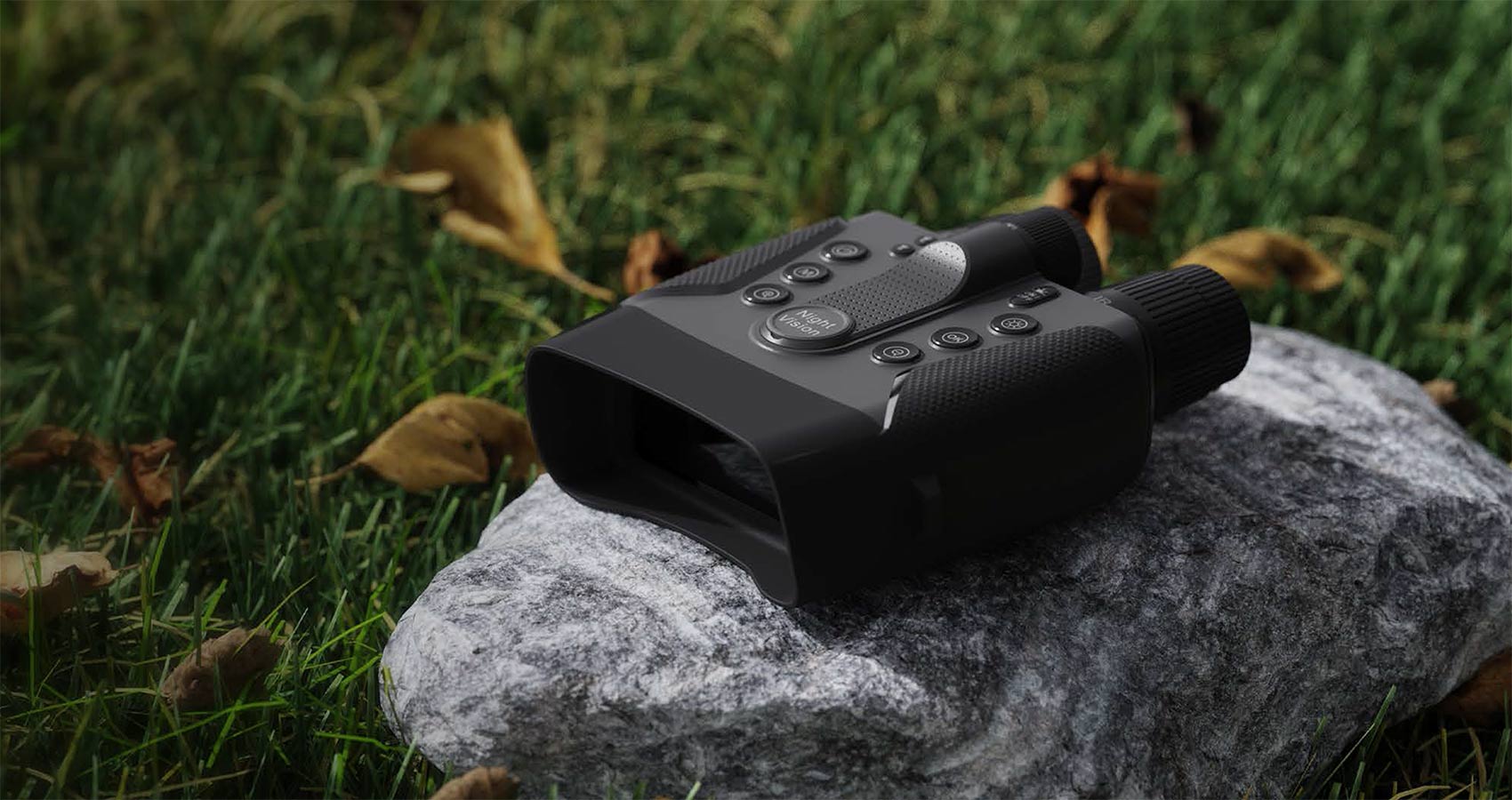
Digital infrared binoculars use a camera sensor and screen. Active IR illuminates a dark scene with near-infrared light. Analog night vision amplifies available light through an image-intensifier tube. Thermal imagers visualize temperature differences. Regular binoculars provide a direct optical view from available visible light.
NASA’s explanation of near-infrared wavelengths shows why digital sensors can record reflected energy beyond visible red. That physical distinction is important: digital IR and thermal performance cannot be compared through one range number.
The Side-by-Side Field Scenario
Choose a safe stationary observation point and mark field features during daylight. Use a fence post, deer-sized silhouette, parked vehicle, and tree line at known distances. Test both devices after dark without changing location. Start with ambient-light mode, then use matching IR levels where possible.
For each target, record detection, recognition, identification, focus time, foreground glare, screen comfort, and battery change. Repeat with both units supported. This method reveals real image clarity rather than rewarding the brighter screen.
Key Takeaways
- Compare identical conditions, not separate promotional samples.
- 850 nm often provides stronger effective illumination; 940 nm often reduces visible emitter glow.
- Native sensor and display detail matter more than interpolated photo resolution.
- Replaceable and built-in batteries support different trip logistics.
- Thermal is useful for heat detection but does not replace surface-detail recognition.
Image Clarity: What Creates It?
Lens and focus
A large aperture can collect more light, but optical quality and focus precision still matter. Focus at the target distance. A slightly soft image becomes much worse after digital enlargement.
Sensor and processing
Sensor size, pixel behavior, sensitivity, exposure control, noise reduction, and sharpening affect the live image. Aggressive processing can make edges look crisp while removing fine texture.
Display
The internal screen determines what the observer can judge. Compare native resolution, contrast, brightness range, refresh behavior, and eye adjustment. A high-resolution saved file does not guarantee a detailed live view.
IR management
Strong IR may extend illumination across an open field but wash out nearby grass. Fine output steps and good exposure control help retain both foreground and background detail.
Practical Comparison Table
| Factor | Option A | Option B | Decision rule |
|---|---|---|---|
| Recognition at known distance | Record result | Record result | Choose repeatable useful detail. |
| 850/940 nm response | Test output and glow | Test output and glow | Balance range and discretion. |
| Focus time | Seconds to clear image | Seconds to clear image | Favor faster repeatable focus. |
| Display comfort | Low setting and eye fit | Low setting and eye fit | Avoid excessive glare. |
| Power plan | Built-in or replaceable | Built-in or replaceable | Match trip duration and charging access. |
| Weather evidence | Exact rating | Exact rating | Reject vague rugged claims. |
Supplier Evaluation
Ask each seller for sensor, display, and recorded resolution separately. Request optical magnification and digital zoom separately. Ask what target and conditions support range claims. Verify battery runtime with IR and recording active. Require an exact model-level weather rating.
Check the manual, warranty, return terms, and replacement battery availability. A side-by-side guide is incomplete when after-sales support is excluded.
Current WildGuarder Comparison Examples
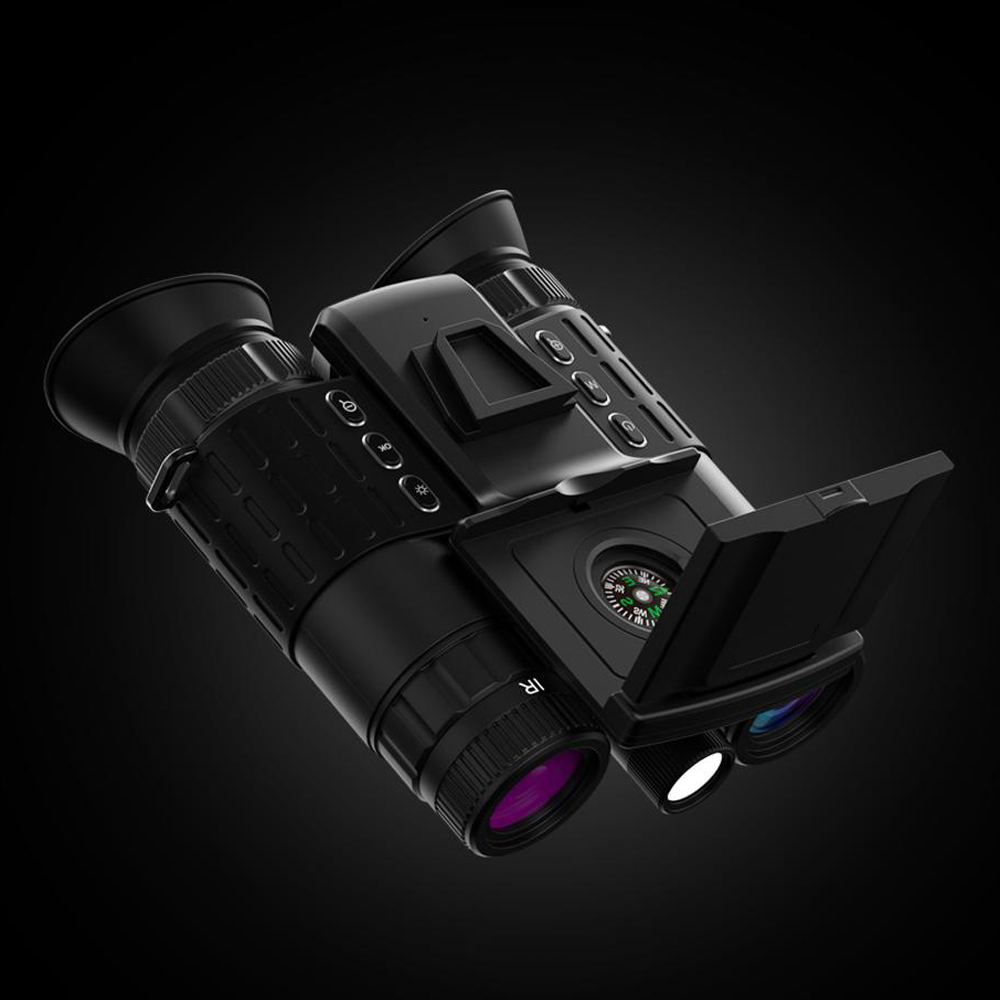
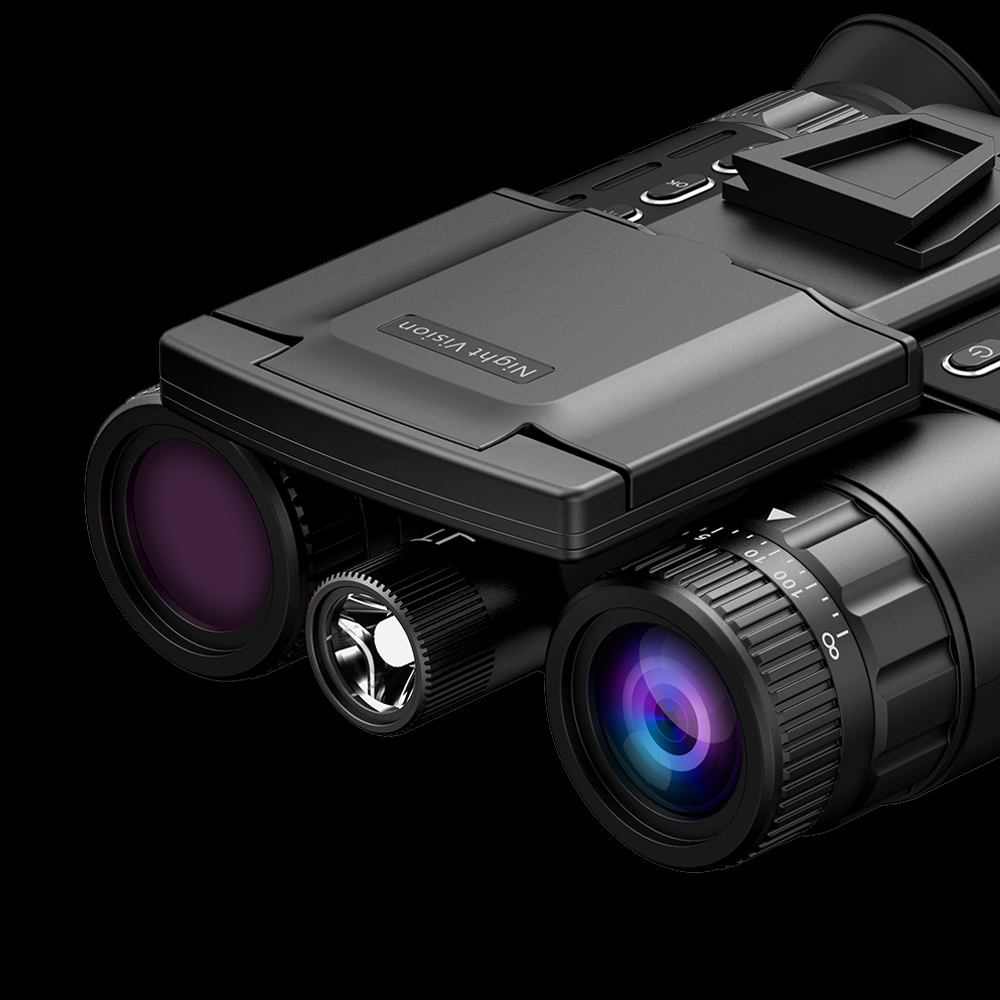
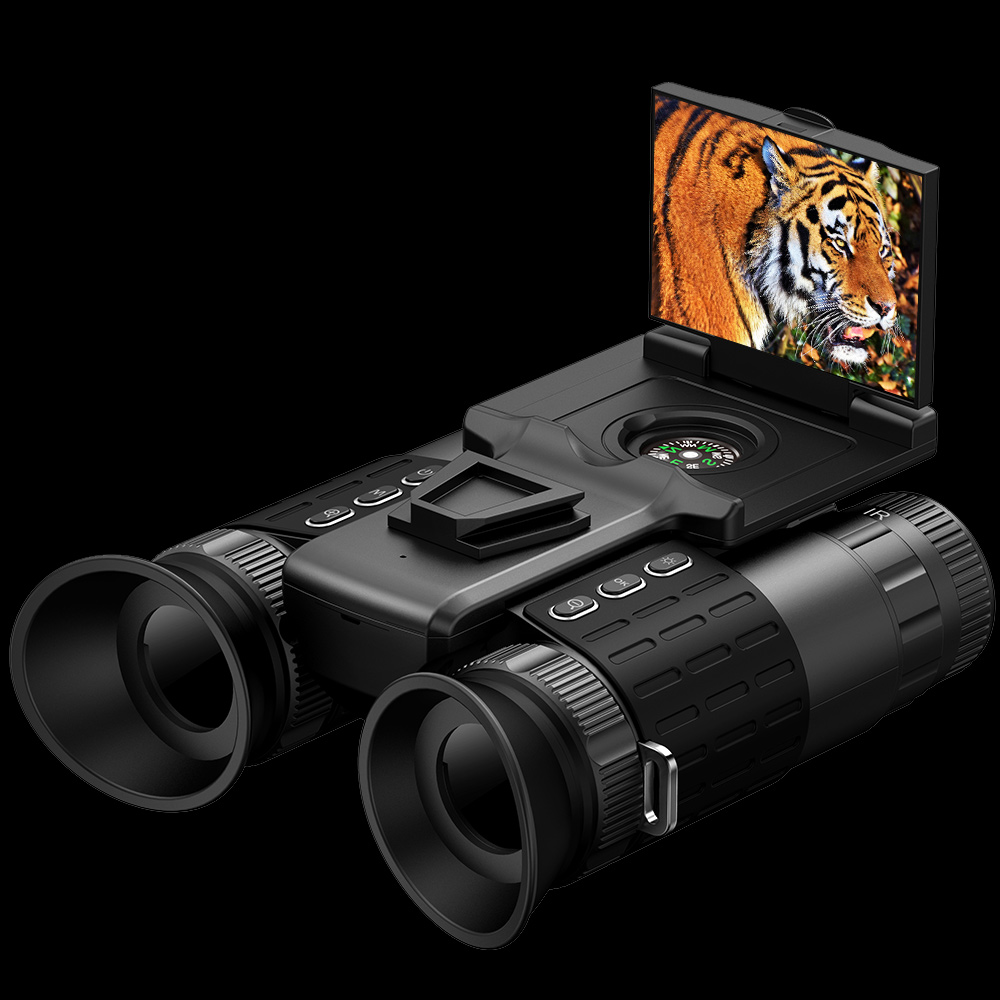
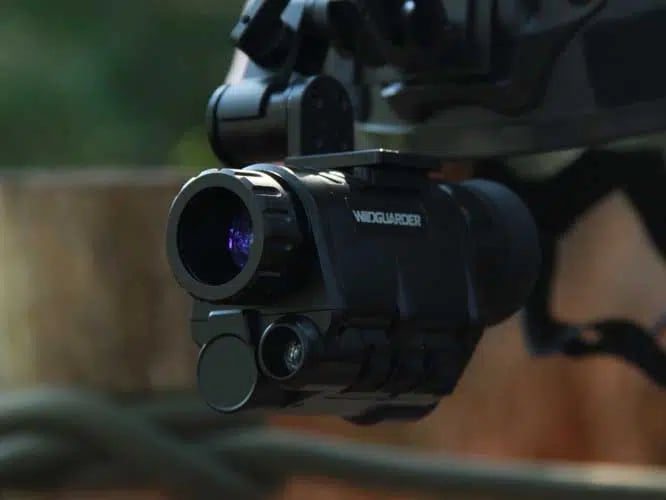
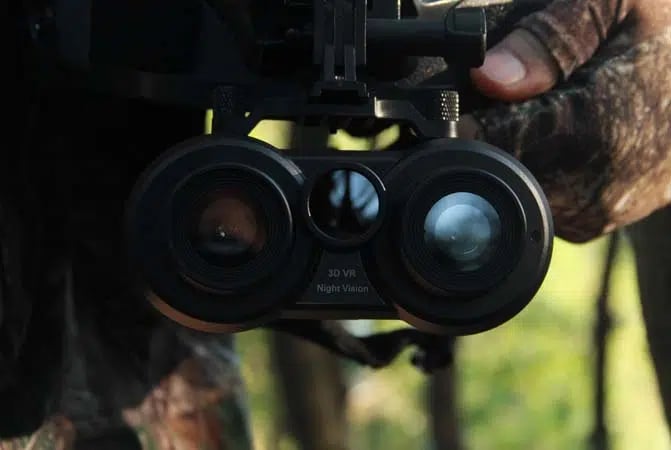
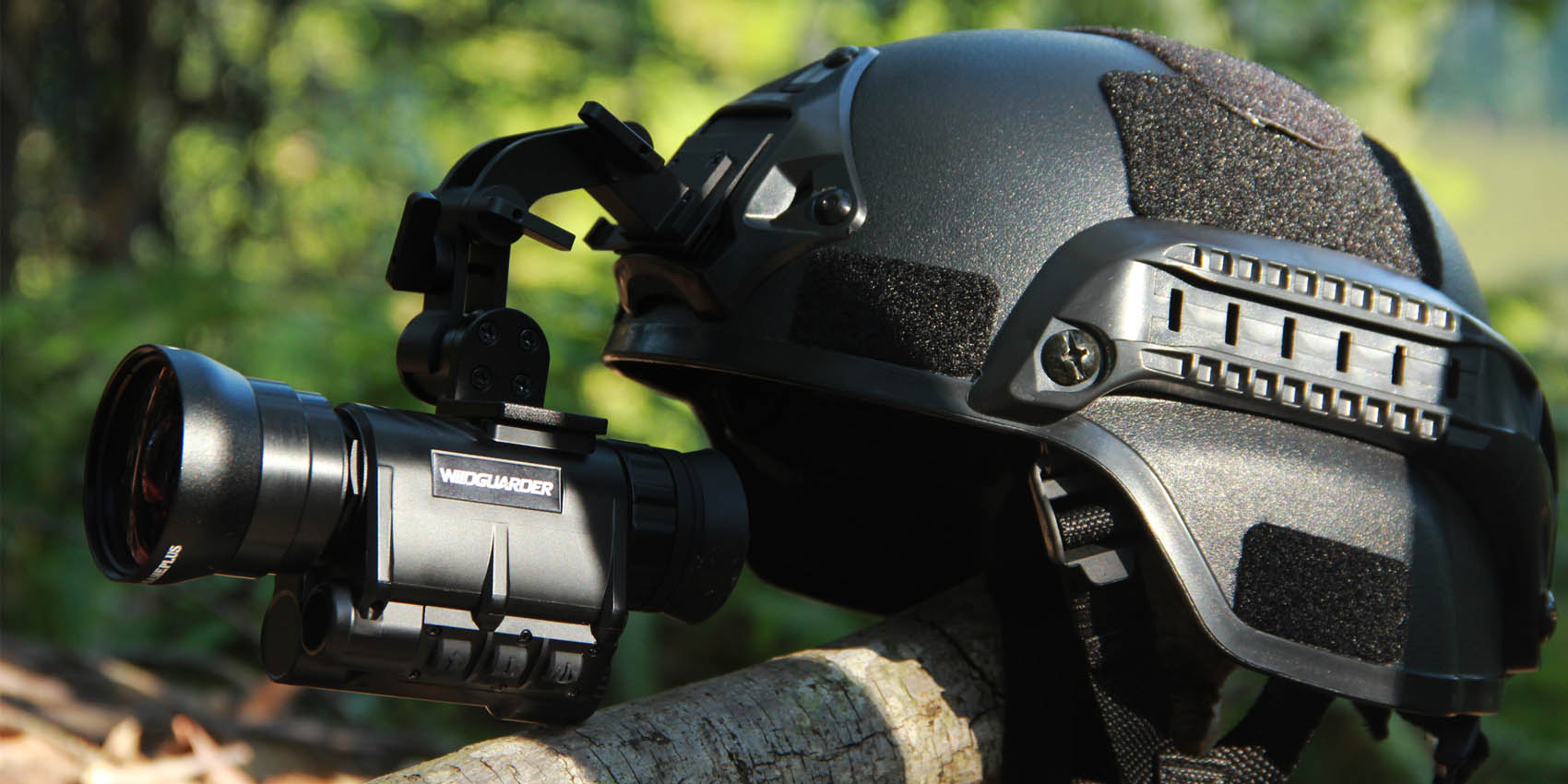
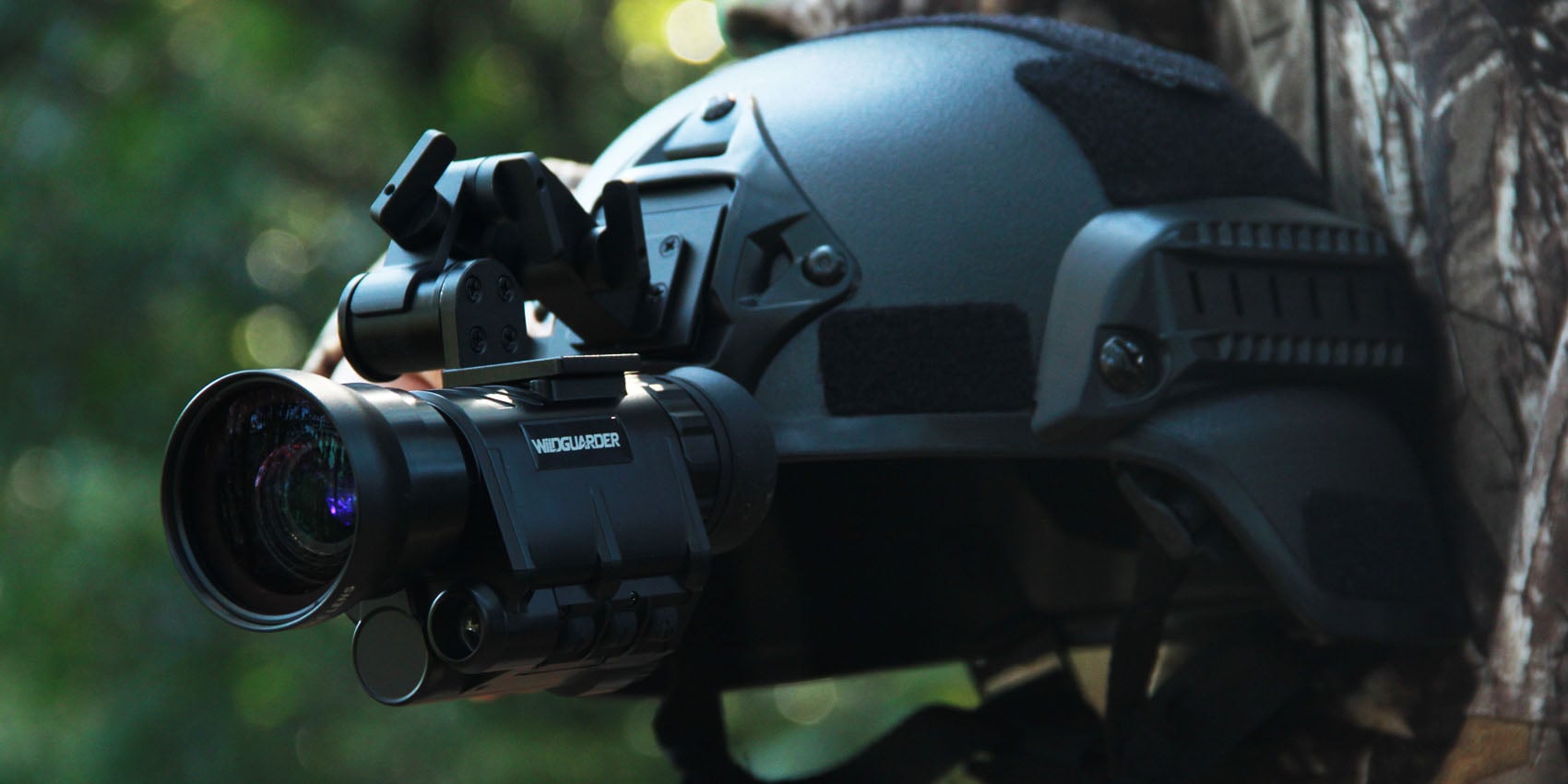
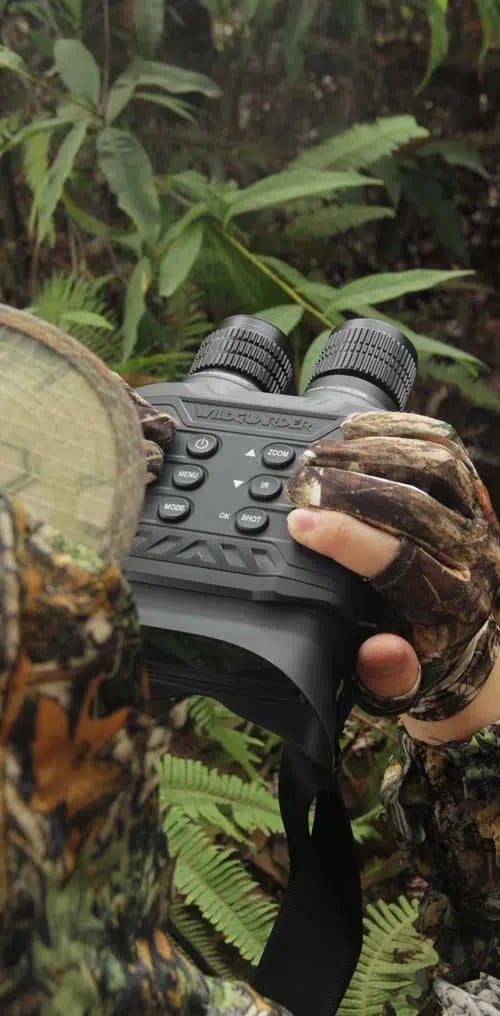
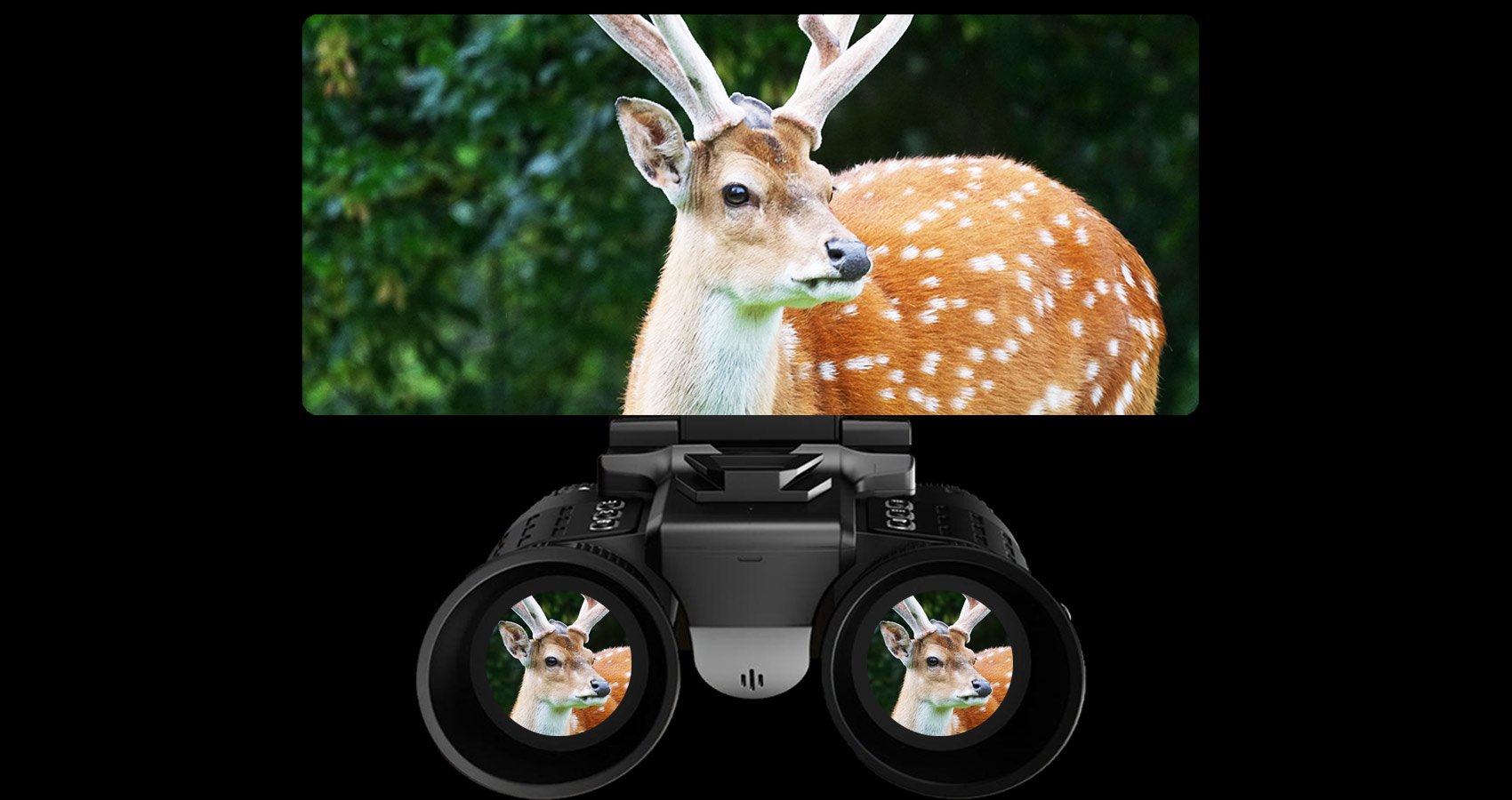
The WildGuarder night vision binoculars category groups current digital options. The WG9000 listing currently describes dual displays, independent eye adjustment, adjustable 850 nm IR, and a model-specific weather rating. The WG9100 listing emphasizes dual displays, adjustable IR, and a head-mounted format. Verify live details and included hardware because configurations can change.
Use WildGuarder support for exact operating instructions and read the current return policy before conducting a field comparison. WildGuarder also provides monoculars, range finders, thermal imagers, trail cameras, and solar accessories. These categories help match detection, measurement, unattended monitoring, and power needs without pretending one technology handles every task.
Use-Case Guidance for Deer Observation
Observe from a lawful fixed point and avoid close pursuit. The National Park Service advises wildlife watchers to maintain distance and avoid changing natural behavior. Night equipment does not remove local restrictions on nighttime hunting, lighting, recording, or access.
If thermal is part of the comparison, use it to locate heat contrast, then use a suitable visible or digital IR view to examine surface detail where lawful and safe. Do not claim that thermal sees through solid cover.
Run the Comparison in Three Lighting Stages
Begin thirty minutes before sunset. This stage reveals daylight color, focus speed, screen glare, and how each device handles a high-contrast horizon. Next, test during twilight without IR. Compare when color becomes noisy or changes to monochrome, and note which display remains comfortable at its lowest setting.
Finally, test after full darkness with the same targets and a controlled IR progression. Do not compare one device at maximum output with another at minimum. Use matching practical levels, then allow each device one optimized setting. Record whether the improvement comes from true subject detail or merely greater brightness.
Review saved files only after the live-view notes are complete. Recording quality is a separate result. A model may save an attractive clip while its internal display remains too coarse for confident real-time recognition. Conversely, a comfortable live view may be enough when documentation is not required.
Portability and Setup Time
Weigh the complete working kit, including batteries, mount, case, cables, and tripod adapter. Time the setup from closed case to focused view. A compact product can lose its travel advantage if it requires loose accessories or a difficult menu. A larger model may be preferable when the screen can be shared and controls are easier to operate with gloves.
FAQ
Are AA-powered night vision binoculars better for remote trips?
AA power can be convenient where replacements are available, but cell quality, cold performance, runtime, and contact reliability vary. Compare total operating time and carry matched protected spares. Built-in packs may offer higher capacity but require charging access.
Is 850nm or 940nm better for digital night vision binoculars?
850 nm usually works efficiently with common sensors and often provides more range. The emitter may show a faint red glow. 940 nm is less visible to human eyes but often yields shorter range or lower contrast.
Are compact night vision binoculars better for travel?
Compact models are easier to pack but may trade battery capacity, display size, controls, stabilization, or lens size. Travel value depends on whether the smaller unit still meets the required recognition distance and weather conditions.
Are night vision binoculars worth buying if I already have a trail camera?
Yes, if you need live observation. A trail camera monitors one location without continuous presence. Infrared binoculars let you scan and react in real time. They solve different tasks and can complement each other.
Digital night vision binoculars vs analog night vision: what are the real differences?
Digital systems use sensors and displays, offer recording, and often rely on active IR in darkness. Analog systems intensify available light with tubes and may offer lower latency and better passive viewing at much higher cost.
Digital night vision binoculars vs regular binoculars: which are better during the day?
Regular binoculars usually deliver a more natural, detailed daylight image without batteries. Digital night vision adds low-light viewing, IR, and recording. Compare them by time of use rather than declaring one universally better.
Digital night vision binoculars vs regular binoculars: which are better at dusk?
At dusk, good optical binoculars can remain excellent while visible light lasts. A digital sensor becomes useful as light falls and may record the scene. The transition depends on optics, sensor, and ambient conditions.
Budget vs mid-range digital night vision binoculars: where is the value sweet spot?
The value sweet spot is the least expensive model that provides repeatable recognition, clear focus, comfortable display, controlled IR, practical power, documented weather protection, and support at the required location.
Conclusion
Infrared night binoculars should be compared with a controlled test, not separate marketing images. Keep the target and conditions constant, measure useful recognition, and record focus, IR, display, power, and weather behavior. That side-by-side evidence reveals which device fits the field and prevents brightness or file-resolution labels from dominating the decision.
Related Reading
- Binocular Night Vision Device Compared: Which Option Fits Your Use Case?
- Binoculars and Night Vision Value Guide: Features That Matter Most
- Night Time Vision Binoculars vs Night Vision Goggles: Which Is Better for Backyard Wildlife Watching?
- Night Goggles Vision Compared: Which Option Fits Your Use Case?
- Digital Binocular Camera: Real-World Photo Capture for Cruise Wildlife Watching
- Understanding Night Sight Binoculars: What to Look For Before You Buy
- Binoculars with Night Vision Explained: What It Means and How to Choose
- Why Binoculars with Night Vision Infrared Glow Is Misunderstood: Common Causes and Practical Fixes
- Night Vision Binocular IR Range Explained: How to Read Real-World Limits
- Top 10 Things You Need to Know About Night Vision Binoculars