

Infrared Night Vision Binoculars: Real-World IR Range for Deer Hunting

Quick Answer
The real-world range of infrared night vision binoculars for deer hunting observation is the distance at which you can reliably recognize or identify a deer under your actual terrain and weather conditions. It is usually shorter than a maximum illumination or detection claim. IR wavelength and power, target contrast, vegetation, focus, stability, sensor detail, display quality, humidity, and battery state all affect the result. Test known distances from a lawful fixed position before relying on the device.
A Deer-Observation Decision
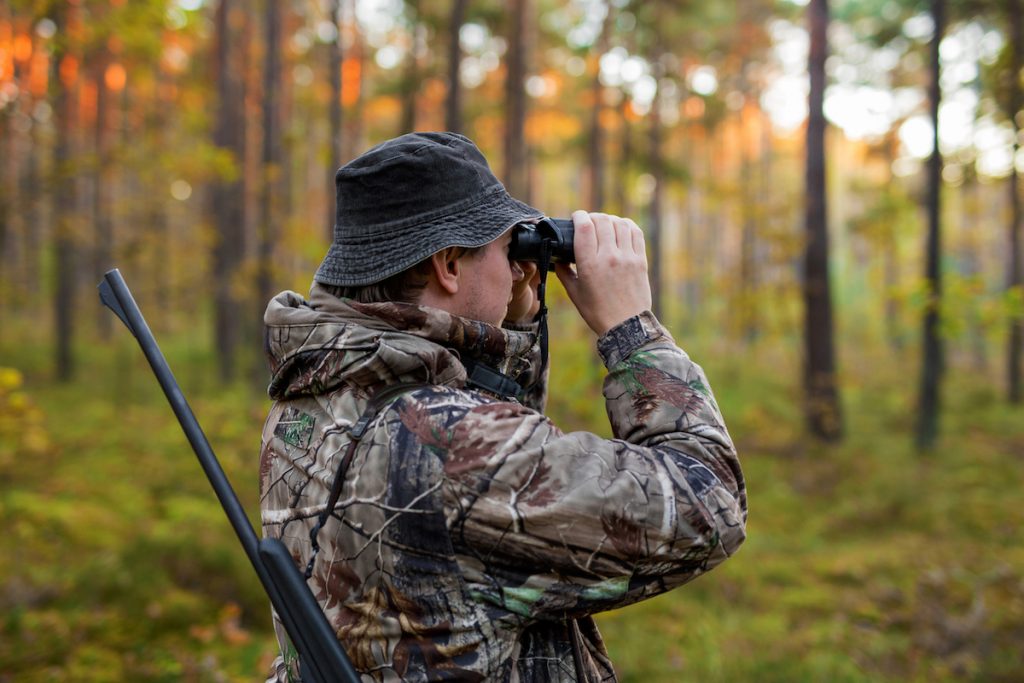
An outdoor beginner hears movement near a field edge. The useful question is not “Can the device see 500 meters?” It is “Can I distinguish a deer from livestock, a person, or brush at this measured location?” Map the field in daylight and select realistic landmarks. At night, remain stationary and start at the lowest IR level.
Focus on a fixed object at the target plane. Record detection, recognition, and identification separately. If nearby grass becomes bright, change the angle or reduce IR. Never approach wildlife simply to improve the image.
Key Takeaways
- Detection range is always longer than dependable identification range.
- IR range depends on a round trip from illuminator to target to sensor.
- Vegetation and moisture can scatter or block the beam.
- Digital zoom enlarges captured pixels but does not recover lost detail.
- Local wildlife and hunting rules determine lawful nighttime use.
Definition: What Active IR Night Vision Does
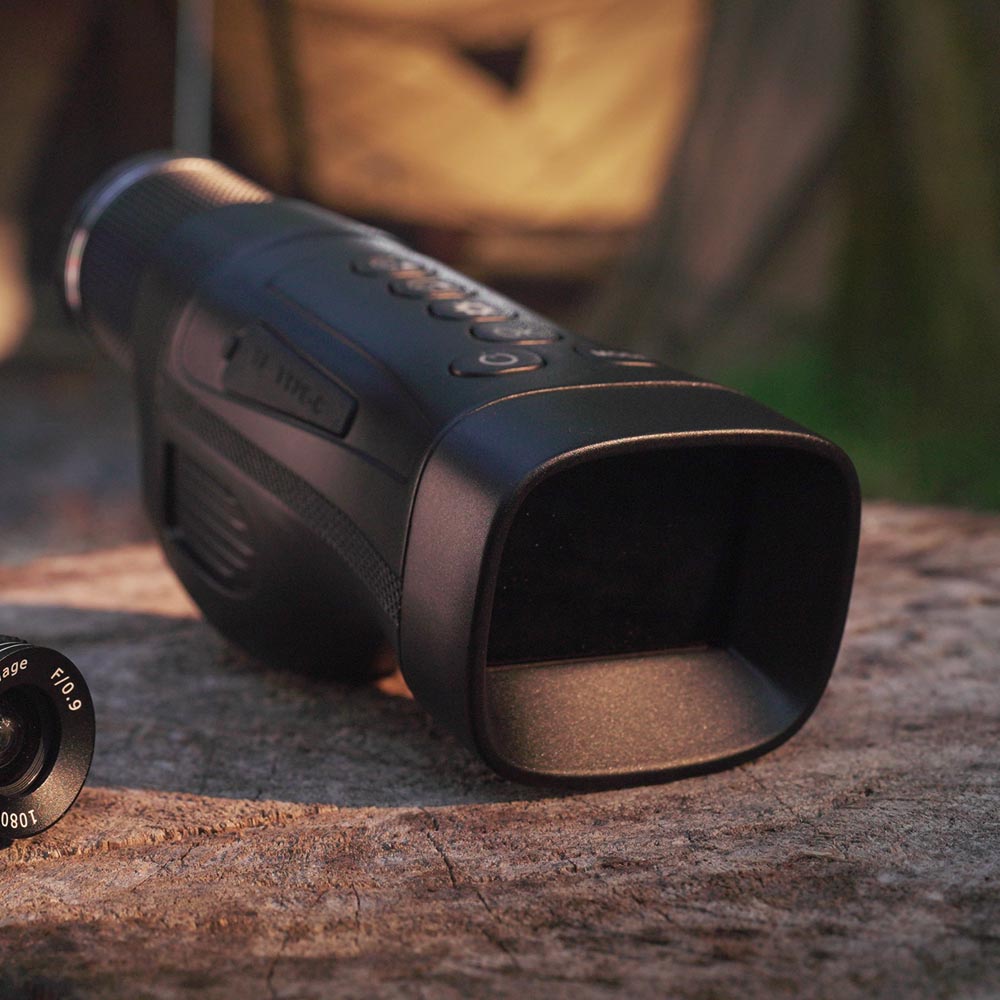
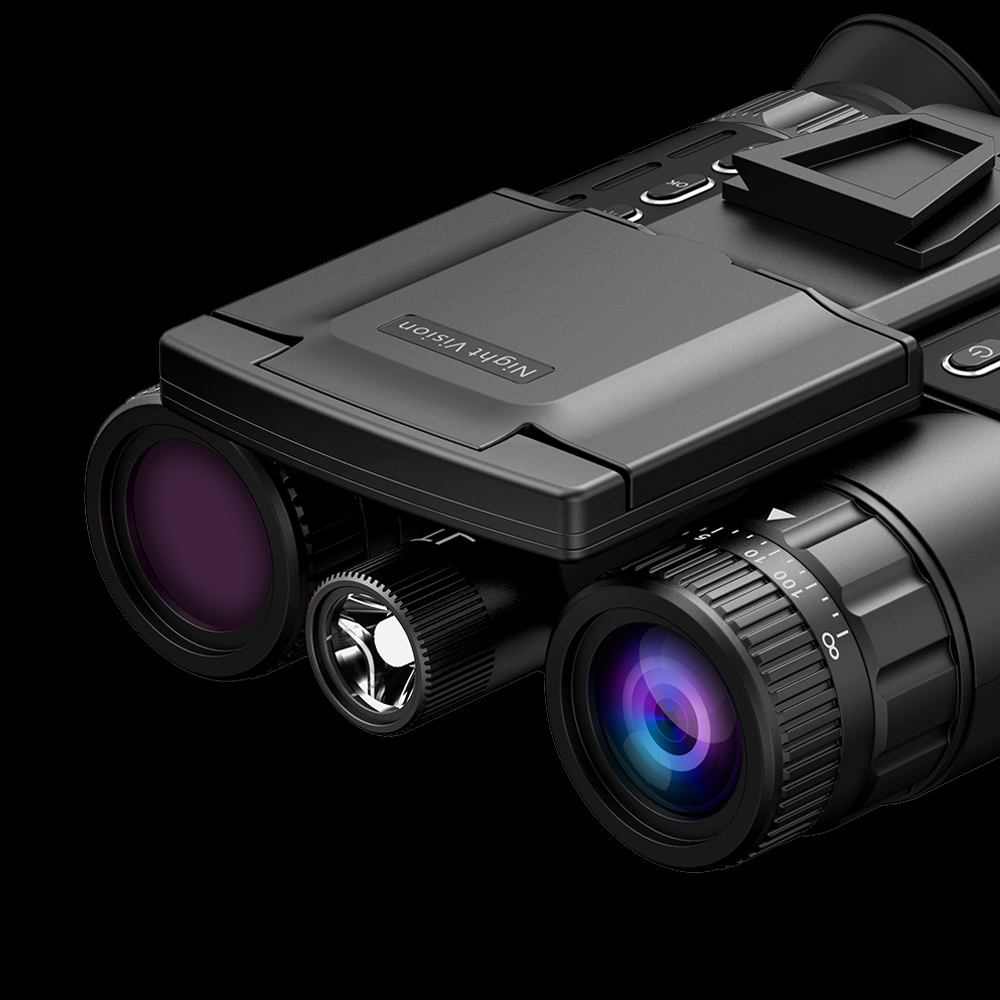
Digital night vision uses a camera sensor and display. In darkness, an IR illuminator sends near-infrared light into the scene, and the sensor records the reflected energy. NASA explains the position of near-infrared wavelengths beyond visible red. The technology is active illumination, not heat detection.
Thermal imagers respond to temperature contrast and can be effective for initial detection. Digital IR can show surface detail when enough illumination returns. Regular binoculars depend on visible light and may perform well at dusk before full darkness.
How to Test Real-World IR Range
Map known distances
Measure the observation point to the fence, feeder area, field edge, tree line, and outbuilding. Use a map or rangefinder during daylight. Do not infer distance at night from digital zoom.
Use representative targets
A reflective sign produces an unrealistic result. Include a deer-sized matte target and natural vegetation. Observe legal wildlife only without altering its behavior.
Control settings
Begin with low display brightness and no IR if ambient light is sufficient. Increase IR one step at a time. Focus independently at each distance. Test handheld and supported views.
Record the decision threshold
Write down the farthest repeatable detection, recognition, and identification result. Repeat on a humid or moonless night if those conditions matter. One successful frame is not a dependable range.
Performance Factor Table
| Factor | How it changes deer observation | Practical response |
|---|---|---|
| Target orientation | A broad side profile is easier than a partial view. | Wait for a clear ethical observation angle. |
| Brush | Blocks detail and reflects IR. | Use a clear line of sight and lower output. |
| Fog or humidity | Creates backscatter and lowers contrast. | Shorten expected range. |
| Focus | Small errors erase identifying edges. | Focus on a fixed object at the target plane. |
| Stability | Shake hides fine detail. | Brace or use a compatible tripod. |
| Battery | Low power can limit IR and runtime. | Begin charged and carry approved reserves. |
IR Wavelength and Sensor Behavior
An 850 nm illuminator typically works efficiently with common digital sensors and may offer stronger effective range. The emitter can show a faint red glow when viewed directly. A 940 nm illuminator usually has less visible glow, but many sensors produce less range or contrast. The better choice depends on the scene and lawful use, not one universal ranking.
A “starlight sensor” can use very low ambient light, but the term is not a standardized promise. Ask how much light was present in sample footage and whether IR was active. In true darkness, even a sensitive digital sensor normally needs illumination.
Current WildGuarder Product Path
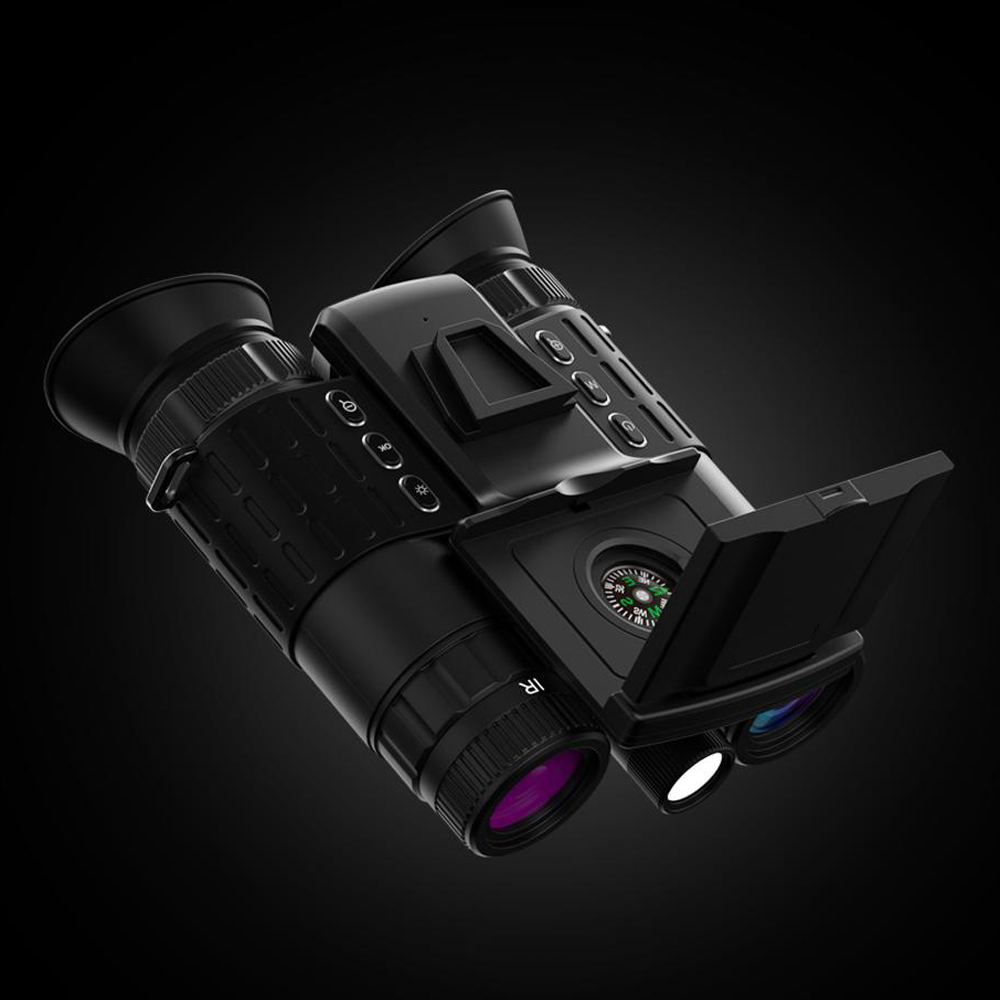
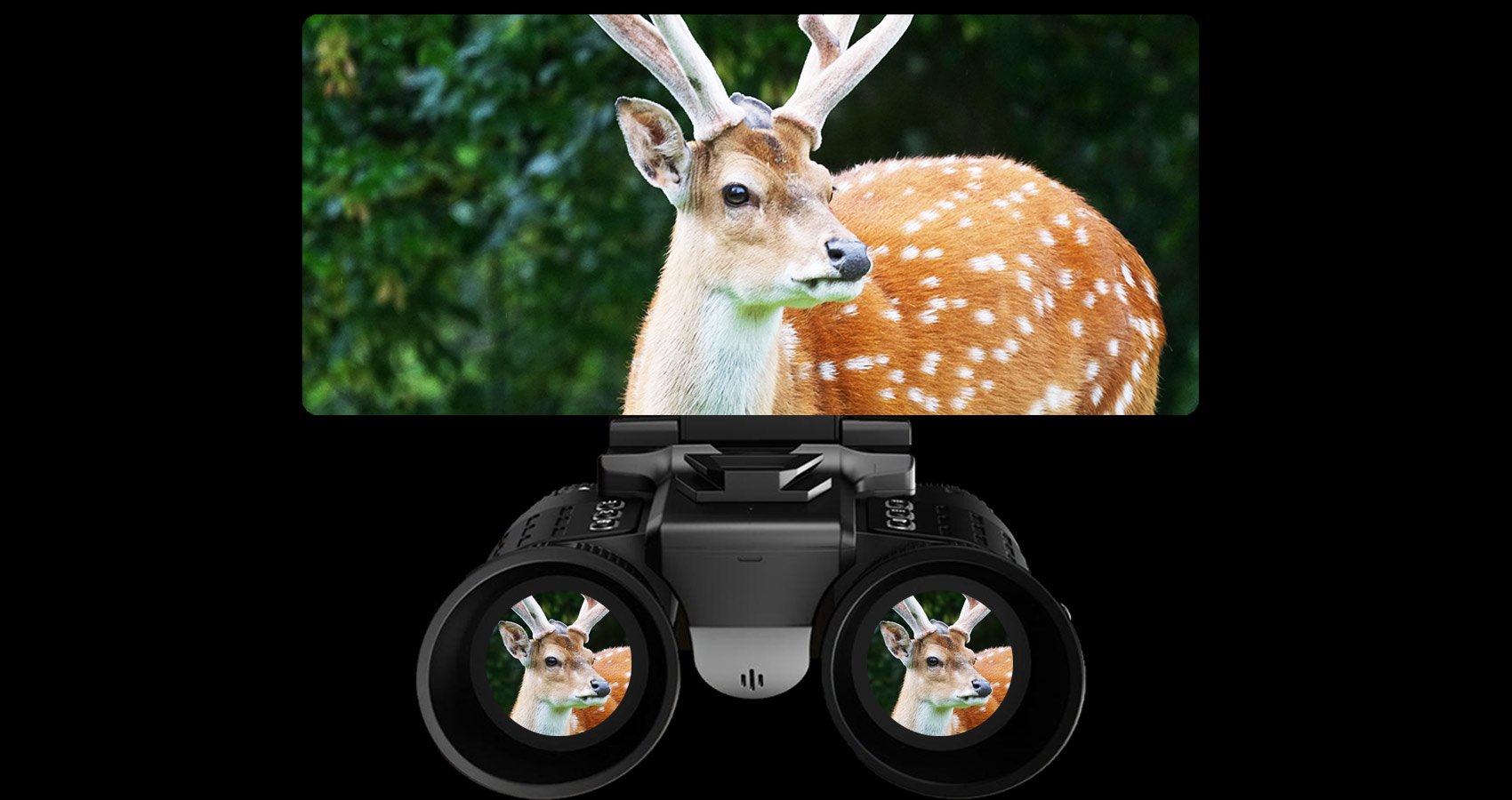
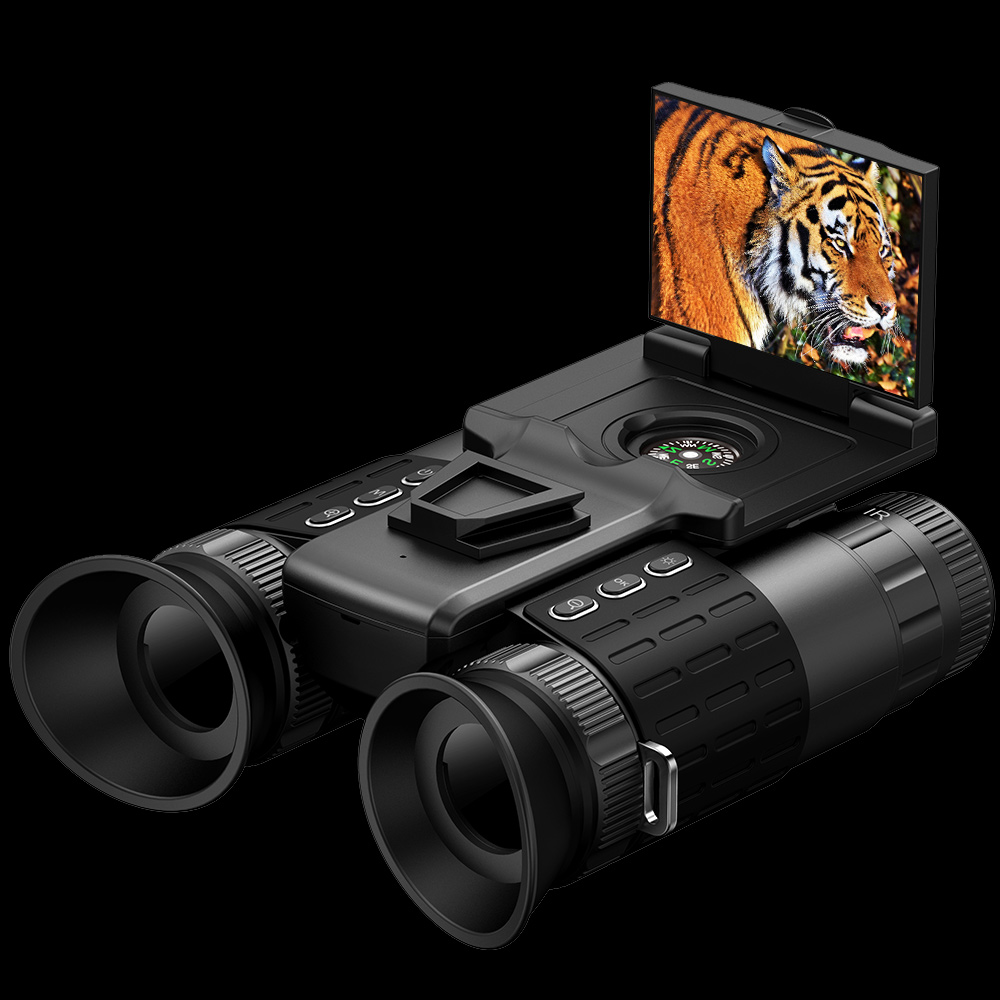
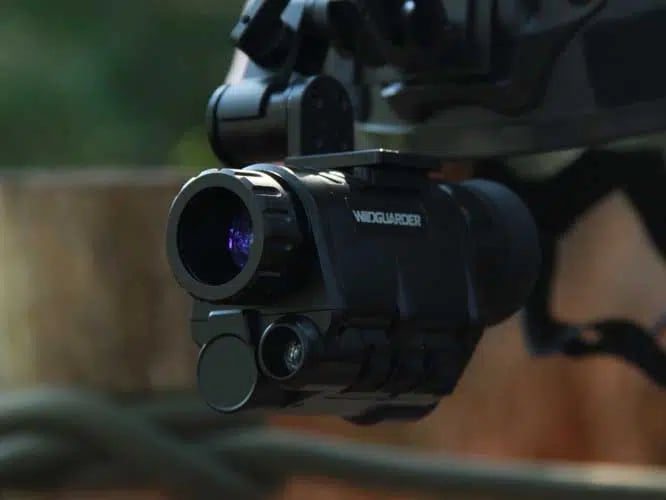
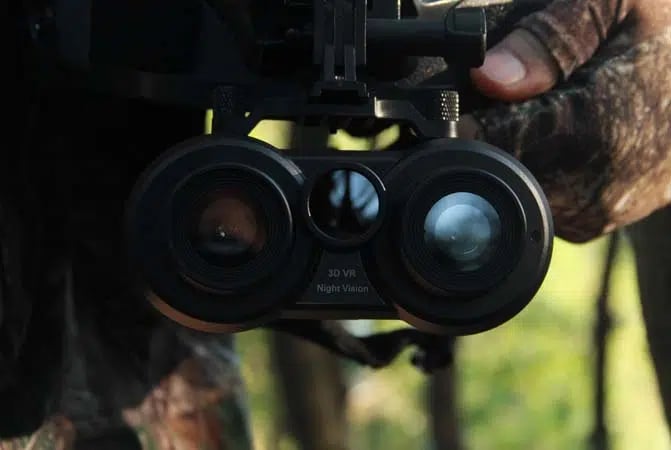
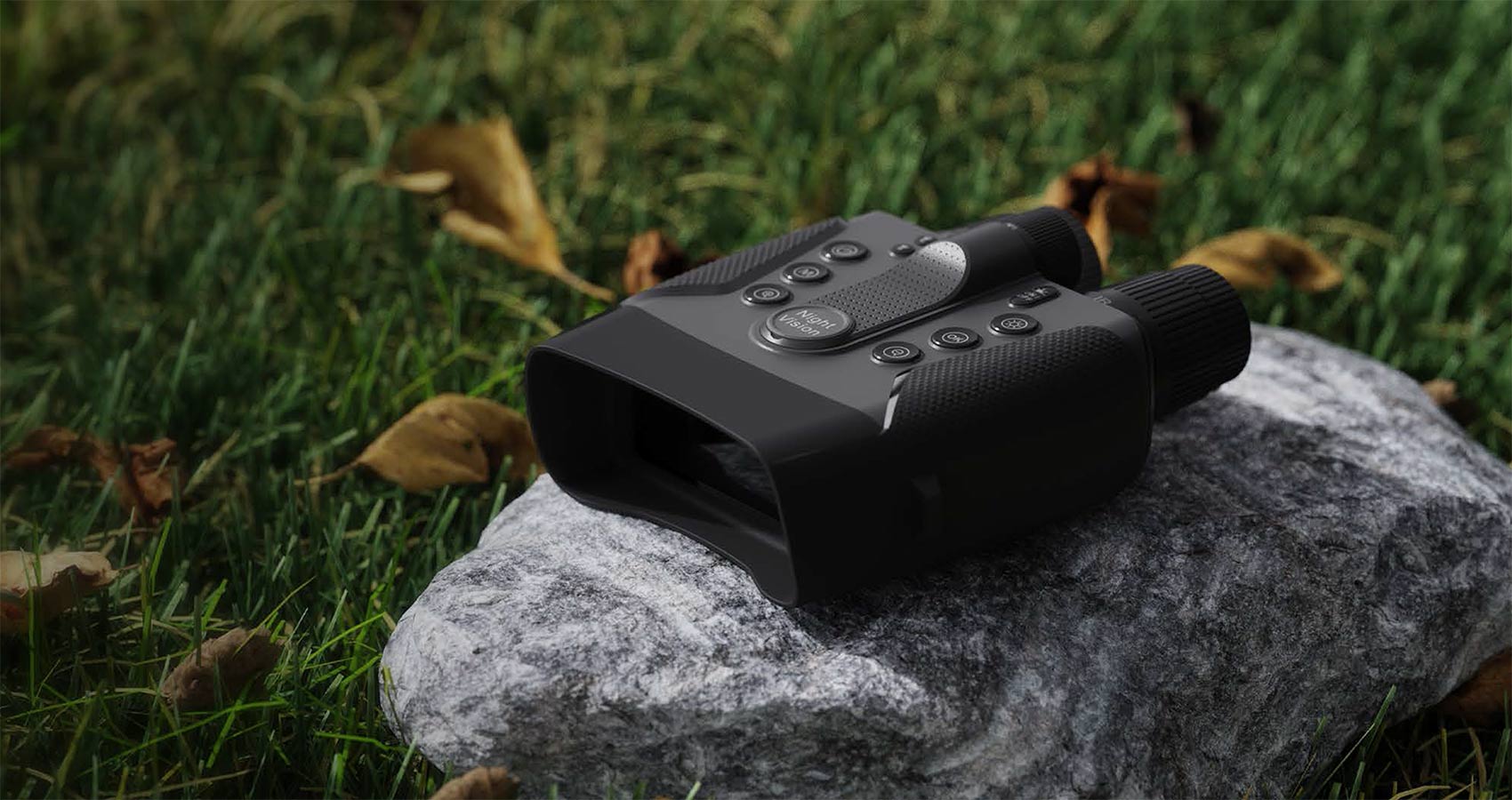
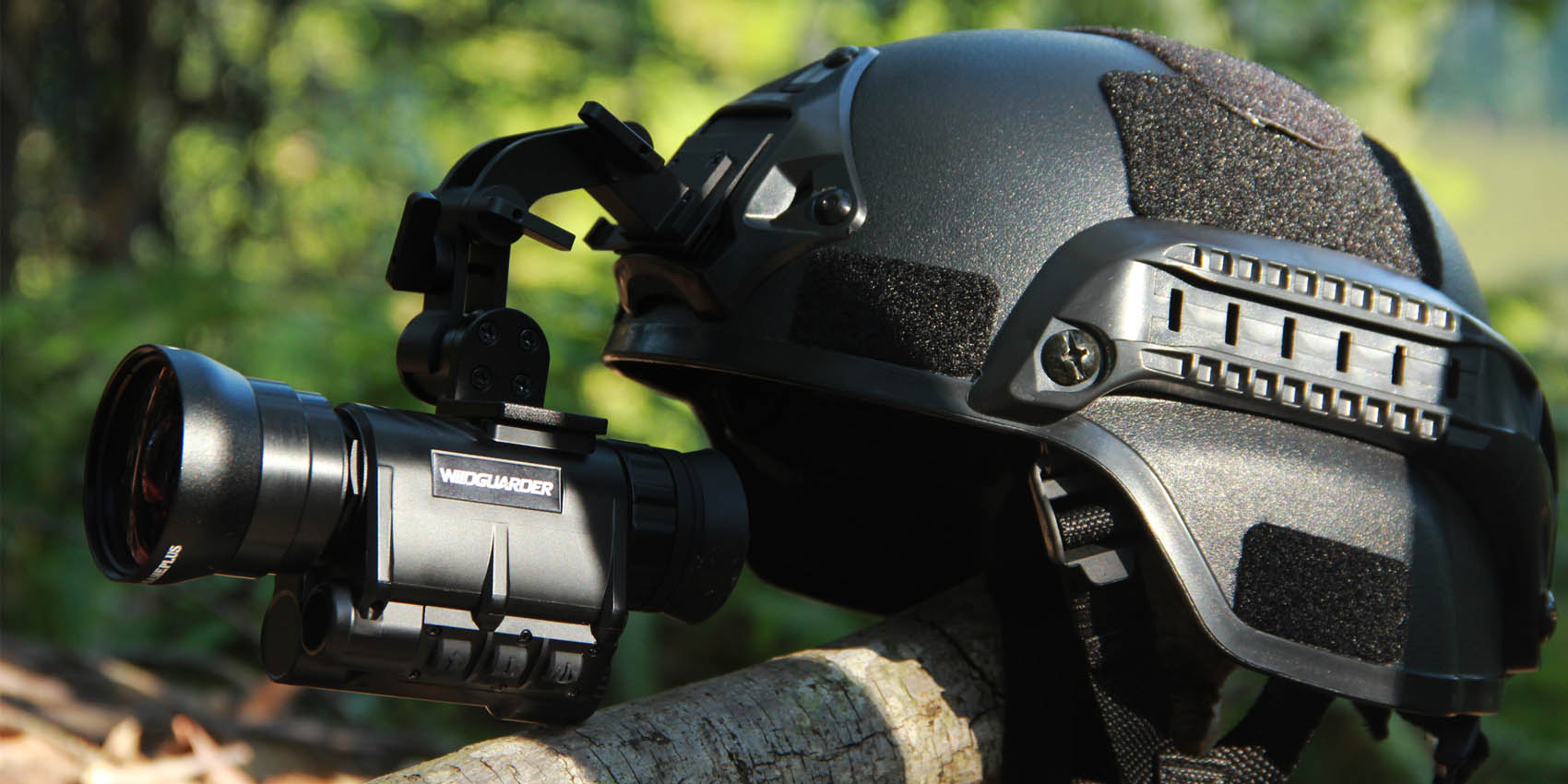
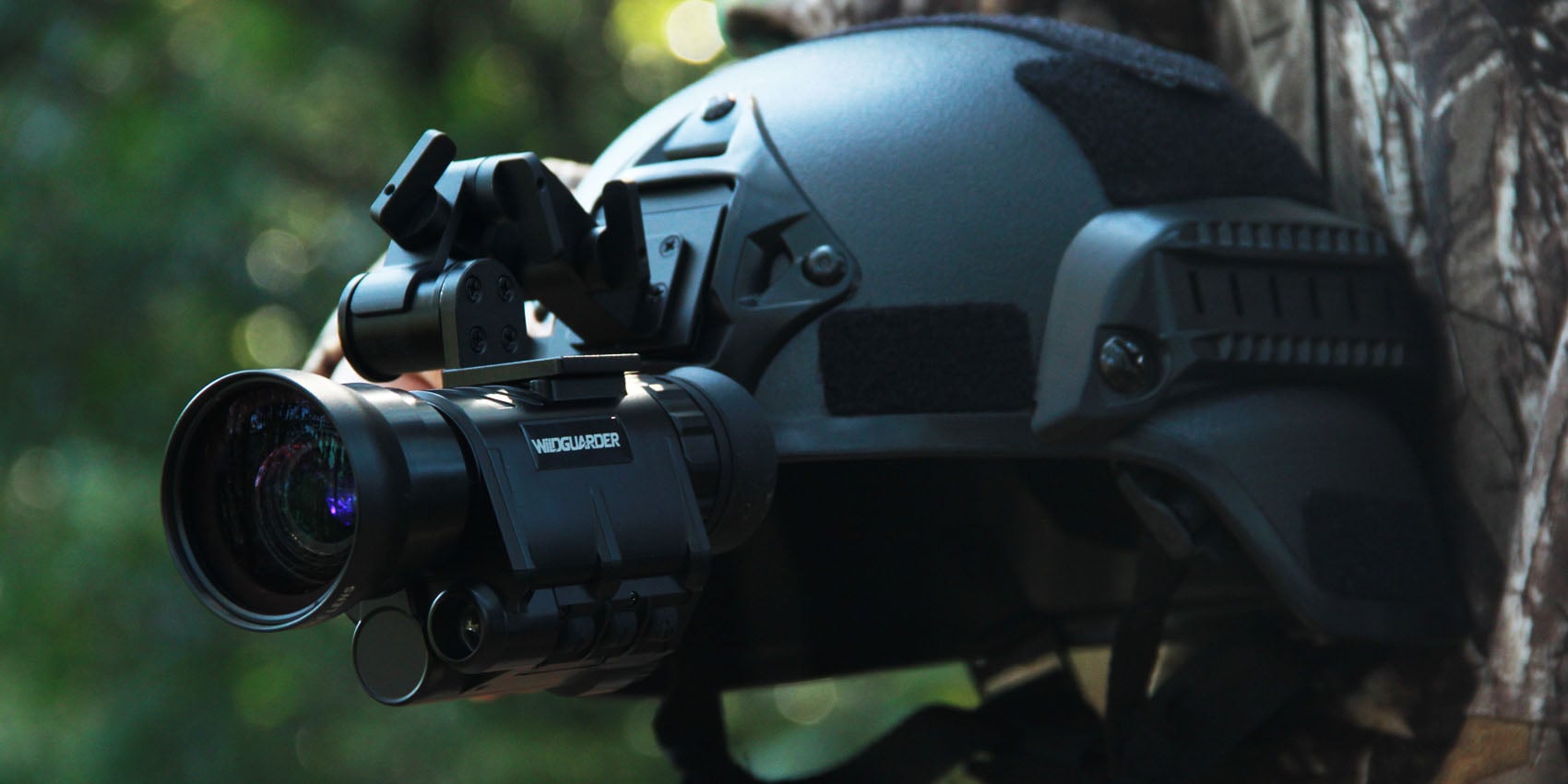
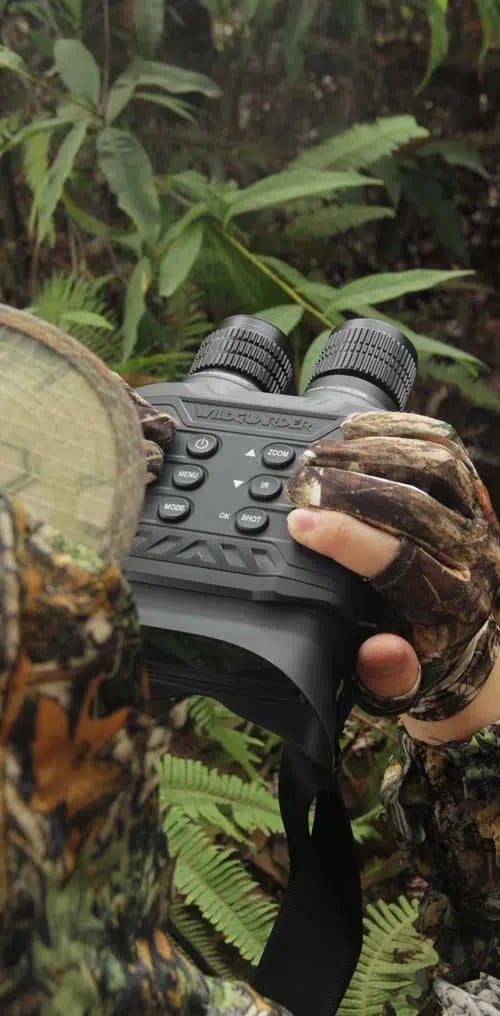
The WildGuarder night vision binoculars collection provides current options. The WG9100 listing describes dual displays, adjustable 850 nm IR, digital zoom, and a head-mount-capable format. The WG9100 Pro listing adds a laser rangefinder. Keep its distance measurement specification separate from useful night-vision identification range.
Check the current manual through WildGuarder product support and confirm the return policy before a property test. WildGuarder’s wider categories include goggles, monoculars, rangefinding binoculars, thermal imagers, trail cameras, and solar accessories. A trail camera monitors a fixed location unattended, while a thermal imager supports heat-contrast detection; neither function is automatically included in IR binoculars.
Supplier Evaluation
Ask for the target and conditions behind every range claim. Verify sensor, display, and saved-file resolution separately. Confirm optical magnification, digital zoom, IR wavelength, battery type, runtime conditions, ingress rating, recording, storage, warranty, and included accessories.
Nighttime deer hunting and observation rules vary. Consult the state wildlife agency and landowner rules. The National Park Service’s responsible wildlife-watching guidance is also a sound baseline for distance and non-disturbance.
Separate Observation Range From Hunting Decisions
A night vision image can support observation without providing enough information for a hunting decision. Eyeshine, movement, and a body outline may establish presence, but brush can hide key details. Set a conservative identification threshold and end the process when the target or boundary is uncertain.
Create a log with date, weather, moonlight, target distance, IR level, support method, and result. Over several sessions, the log shows the reliable range under that property’s conditions. It also reveals whether humidity, battery state, or vegetation causes the largest reduction.
Do not transfer one field’s result to another property without testing. Open pasture, woodland edges, and narrow trails reflect and block IR differently. A device that performs well across a clear field may struggle through close branches even at a shorter distance.
Care After a Damp Night
Keep port and battery covers closed outdoors. Wipe external moisture, then let the device warm gradually inside a closed bag before opening it in a heated room. Inspect the lens and battery compartment only after the exterior is dry. Store with a suitable desiccant and recharge according to the manual.
FAQ
Can night vision binoculars clearly identify deer during deer hunting observation?
Sometimes, but clear identification depends on distance, body visibility, brush, focus, sensor detail, IR, weather, and stability. Do not treat eyeshine or a large silhouette as confirmed identification.
Can I use night vision binoculars without IR under starlight?
A sensitive sensor may produce a useful image under moonlight or starlight, especially in an open area. Results vary greatly. Under true darkness or heavy canopy, active IR is usually required.
Should I buy digital night vision binoculars with a built-in rechargeable battery or replaceable batteries?
Built-in batteries simplify charging and may offer high capacity. Replaceable batteries can extend remote sessions. Compare safety, cold performance, approved charging, availability, and the ability to carry protected matched spares.
Will daylight damage digital night vision binoculars?
Digital models designed for day and night use can usually operate in daylight when configured according to the manual. Do not assume every night vision technology is daylight-safe. Follow the exact model instructions and never view the sun.
How far can night vision binoculars identify a deer?
No fixed distance applies. Detection may occur much farther away than identification. Measure your field, define the detail needed, and run repeated tests under similar weather and vegetation conditions.
How can I get better results from night vision binoculars during deer hunting observation?
Clear foreground obstacles, stabilize the device, focus at the target plane, lower screen brightness, and increase IR gradually. Avoid pursuit and excessive illumination. Better technique often improves detail more than digital zoom.
What does ‘starlight sensor’ mean on digital night vision binoculars?
It refers broadly to a sensor marketed for low ambient light. It does not guarantee color, range, or zero-light operation. Ask for examples with stated lighting and IR conditions.
How far is realistic for property observation with digital night vision binoculars?
Property range should be measured against gates, buildings, and fence lines. Determine whether the device can recognize the needed target at those points. Weather, vegetation, reflectivity, and focus can shorten the result.
Conclusion
Infrared night vision binoculars provide a useful deer-observation range only when the target, detail, and conditions are defined. Map the property, test known distances, separate detection from identification, and keep IR and zoom claims in context. Verify lawful use, weather protection, power, and support before selecting a model.
Related Reading
- Night Vision Binocular IR Range Explained: How to Read Real-World Limits
- Why Binoculars with Night Vision Infrared Glow Is Misunderstood: Common Causes and Practical Fixes
- Understanding Night Sight Binoculars: What to Look For Before You Buy
- Binoculars and Night Vision Value Guide: Features That Matter Most
- Top 10 Things You Need to Know About Night Vision Binoculars
- Binoculars with Night Vision Explained: What It Means and How to Choose
- Binocular Night Vision Device Compared: Which Option Fits Your Use Case?
- What to Look for in Night Sight Binoculars: What Outdoor Users Should Know
- How Long Night Vision Binos for Cabin Security?
- Why Digital Night Vision Binoculars Recording Drains Battery: What Outdoor Users Should Know