

Can You Use Best Night Binoculars for Farm Monitoring?

Quick Answer
Yes, the best night binoculars for a farm can make attended checks of yards, gates, and field boundaries easier after sunset. For property owners, dependable handling, documented weather limits, and a workable battery routine matter more than a dramatic maximum-range claim. Choose a device around a repeatable inspection route and the information you need at each stop.
Definition: Farm Monitoring with Night Binoculars
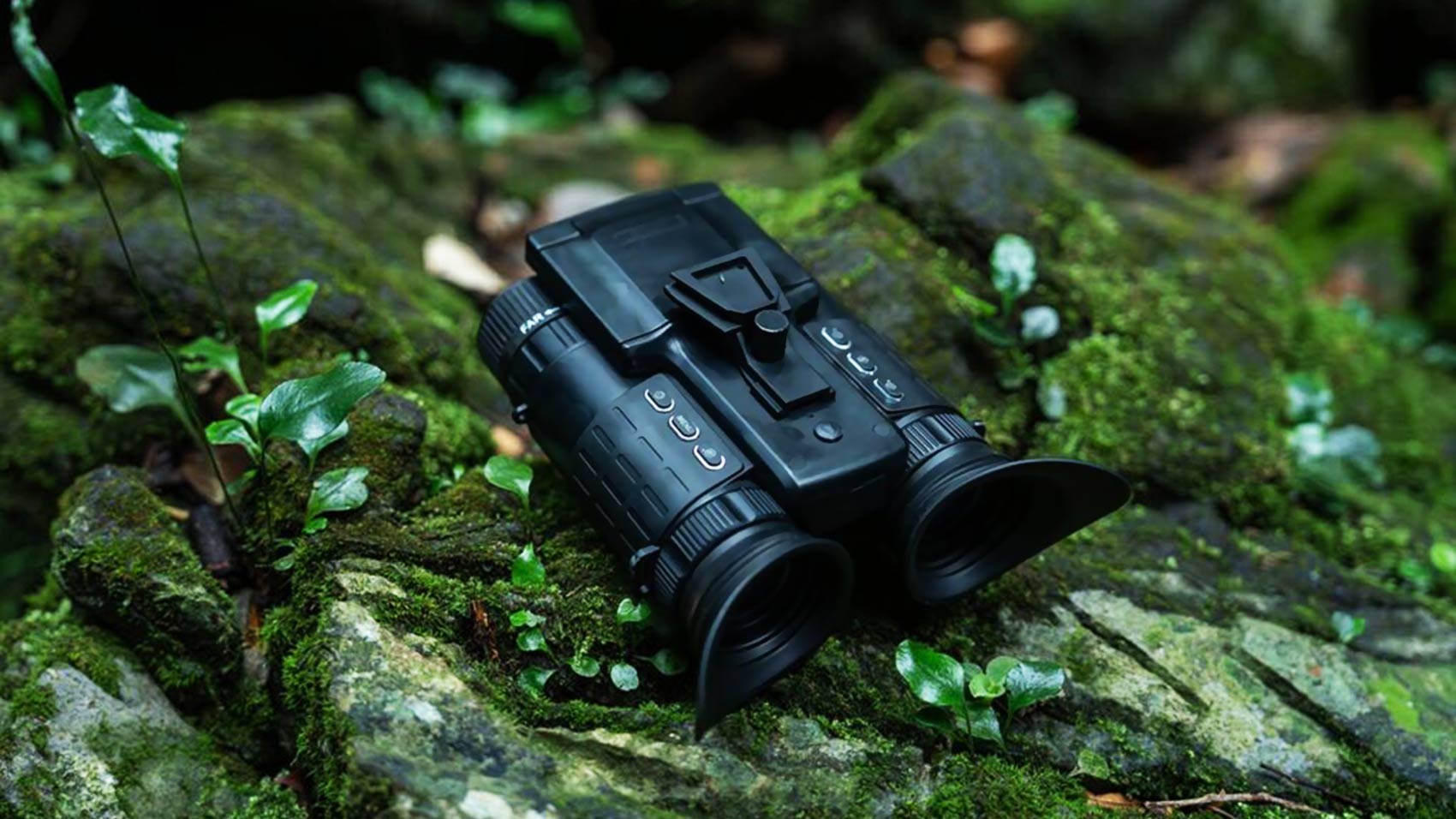
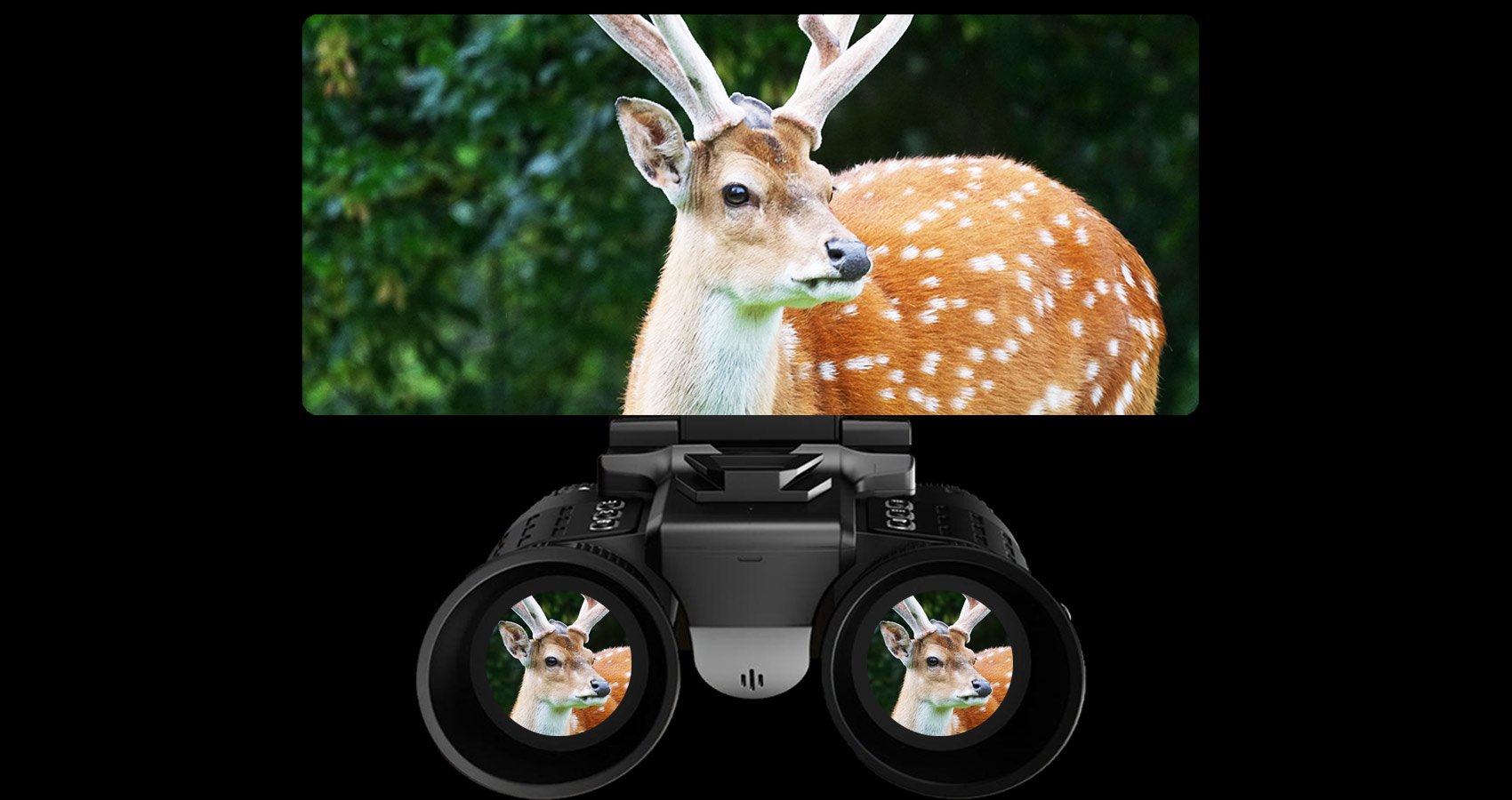
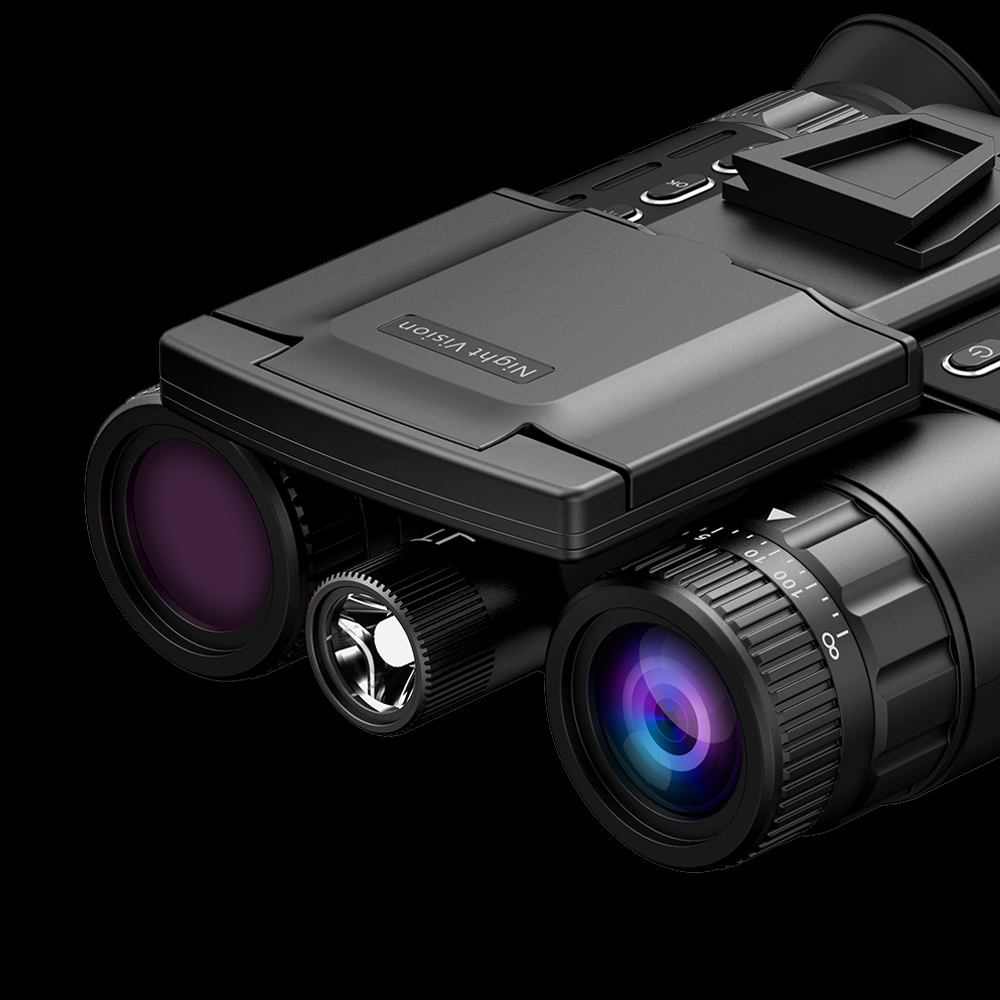
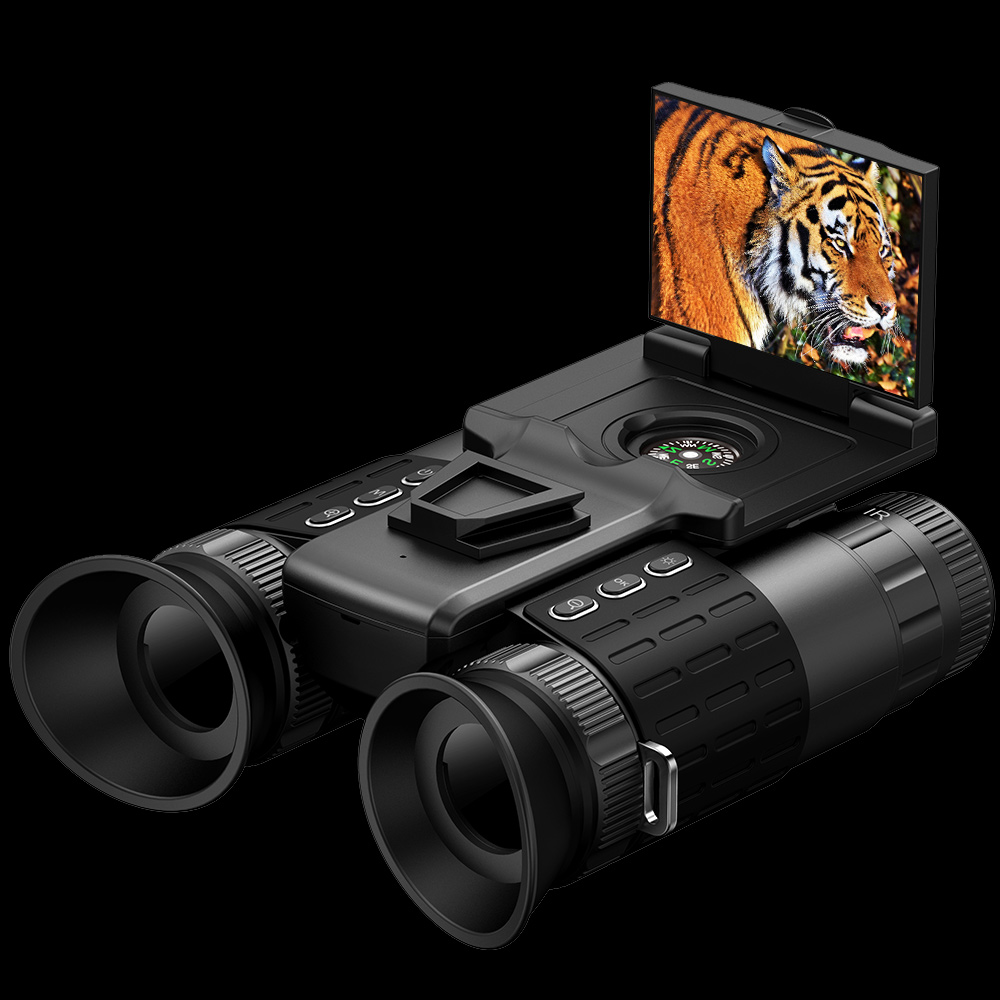
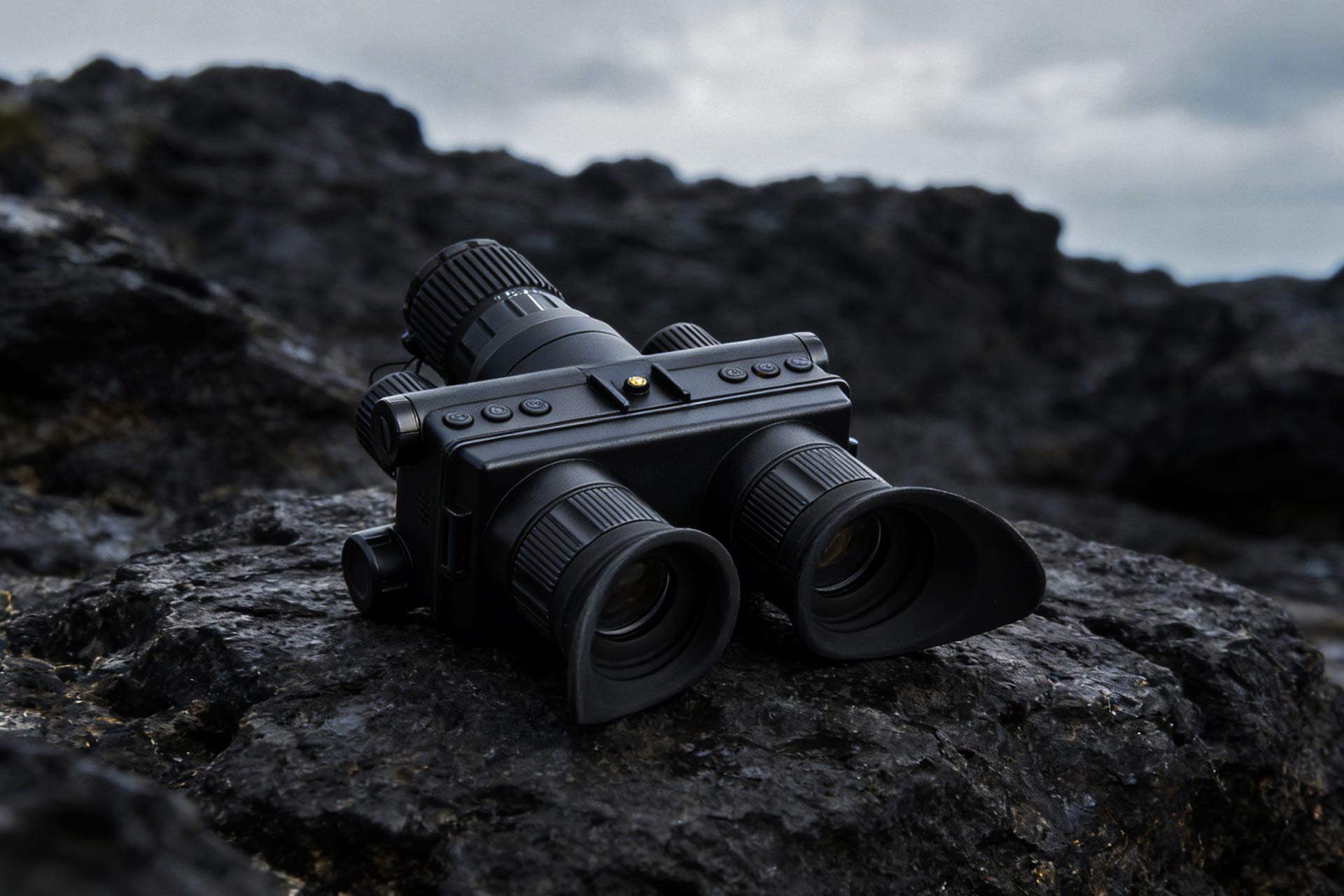
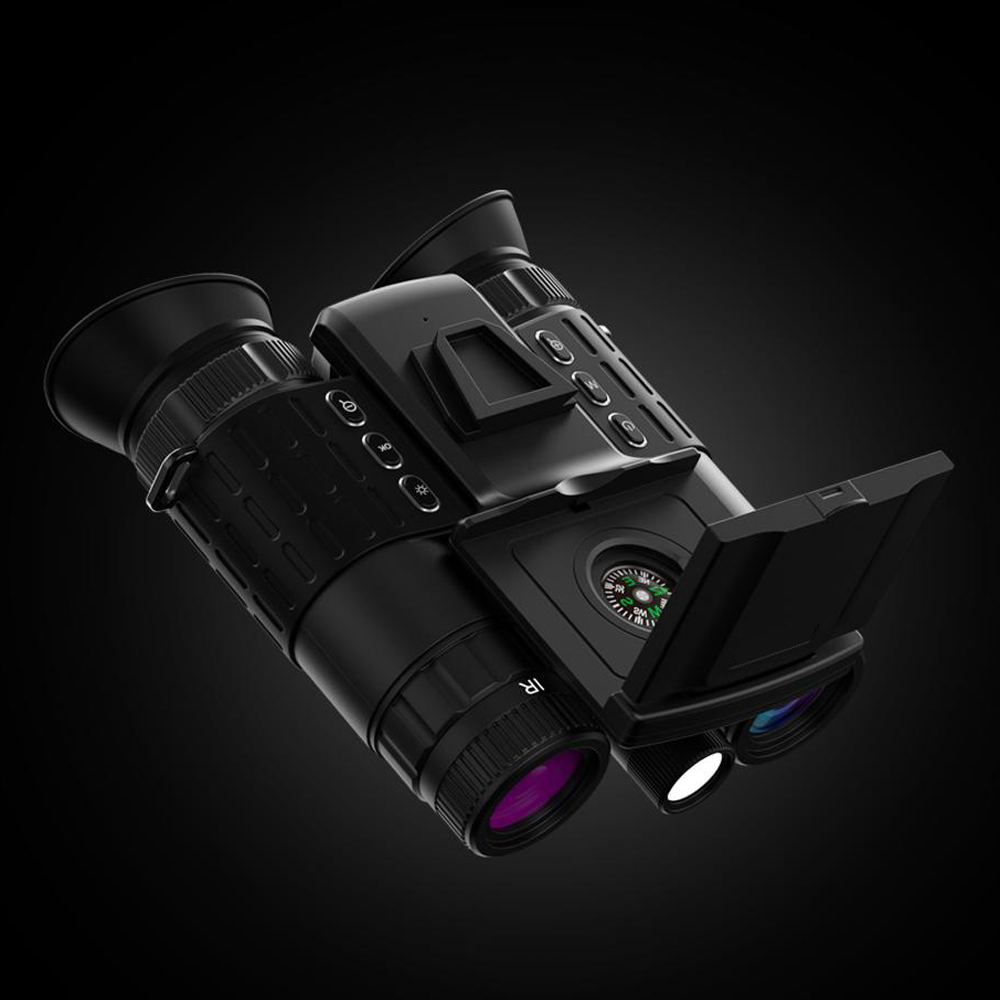
Here, farm monitoring means a person using handheld optics to observe a visible part of the property at a particular time. Digital night binoculars provide a displayed view, often with infrared illumination and recording. They do not continuously watch every entrance, detect every event, or replace a fixed monitoring system.
The word “best” should describe suitability for the job. A compact device that is ready at the back door may suit frequent short checks. A different model might suit long stationary observation from a sheltered position. Start by defining the work, then compare the features that influence that work.
A Farm Owner’s Buying Checklist
| Decision | Evidence to collect | Practical acceptance check |
|---|---|---|
| Viewing task | Required landmarks and visible detail | Can you interpret the actual gate or yard? |
| Weather exposure | Written rating and model-specific limitations | Does the permitted use fit your sheltered route? |
| Battery reserve | Runtime conditions and charging instructions | Can the unit cover the planned checks? |
| Shared use | Focus controls and adjustment instructions | Can the next person reset it easily? |
| Storage | Case fit, port covers, and drying instructions | Is the device ready at its usual storage point? |
| Ownership support | Current warranty, returns, and service process | Do you know what to do if a fault develops? |
Key Takeaways
- List observation points before comparing models.
- Require written weather specifications for the exact product version.
- Plan charging around the whole evening’s checks.
- Distinguish a live observation tool from unattended surveillance.
- Include storage and support in the purchasing decision.
Build the Routine Around Your Property
A smallholding owner might check the yard after feeding, glance toward a field entrance later, and make one final observation before bed. These checks can be brief but separated by several hours. If the device stays switched on between them, the battery may be depleted when it is needed most.
Map the route in daylight. Choose stable, permitted viewing positions with a clear line of sight. Note the landmarks that matter: a closed gate, the visible approach to a building, or activity beside a fence. Avoid promising yourself that a handheld view can confirm everything happening behind buildings or vegetation.
Write a short observation record when something needs follow-up. Include the time, location, weather, and what you could actually distinguish. “Movement at the far hedge, identity uncertain” is more useful than confidently naming an indistinct shape. When another person takes over, the record gives them a concrete place to begin.
Choose an appropriate viewing position
A sheltered doorway can work well, provided the infrared beam has a clear path. Viewing through glass can introduce reflections, especially with the device’s illuminator on. A position beside an open doorway may be more useful than pressing the binoculars against a window. Keep yourself on stable ground and put the device down before moving.
Bright yard lights, reflective signs, and nearby fence rails can dominate the image. Test the position at night before judging the product. Changing the angle by a small amount can make the important area easier to see without changing the equipment.
Weather Resistance Is an Ownership Question
A product’s appearance does not establish its resistance to dust or water. Ask for the exact rating and the conditions under which it applies. The IEC 60529 standard defines the IP enclosure-protection system. A stated IP code concerns particular protection tests; it does not automatically establish resistance to impact, condensation, chemicals, or every farm environment.
Check whether covers must be closed, whether accessories change the permitted exposure, and how the manufacturer describes cleaning. A charging port with its cover open may not offer the same protection as a fully closed unit. Do not infer that an unlisted model shares the rating of another product in the range.
Storage deserves equal attention. A wet device placed immediately into a closed case can trap moisture. Follow the manufacturer’s drying instructions, keep optics away from abrasive dirt, and avoid leaving equipment where tools can strike it. A consistent clean storage point makes repeated use easier and helps you notice damage before the next check.
Make Battery Handover Predictable
Assign one person to confirm charge status before the first evening round. After each session, switch the unit off or use a tested power-saving setting. Place it in the same location with the cable and case, so the next person does not have to search for a charger at the last minute.
Keep the charging input dry and follow the specified charger, cable, and temperature limits. Use only the battery arrangement approved for the model. The CPSC’s warning about loose 18650 cells is relevant when comparing replaceable-battery designs: matching the physical size alone is not a sound selection method.
When evaluating runtime, imitate your real sequence of checks, including recording and playback. A unit that meets a single short demonstration may still need recharging between evenings. Note infrared settings and temperature so you can understand changes in performance instead of treating every shorter session as a defective battery.
Compare the Product and the Support Behind It
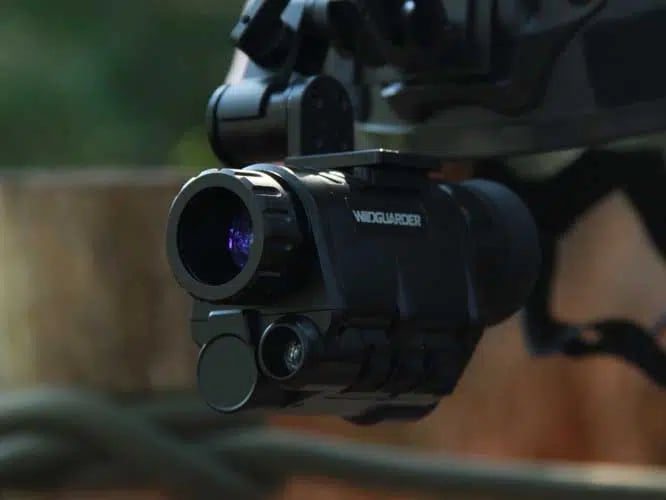
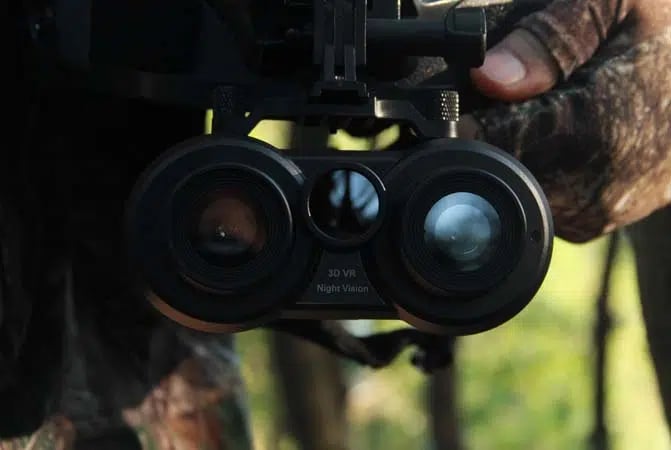
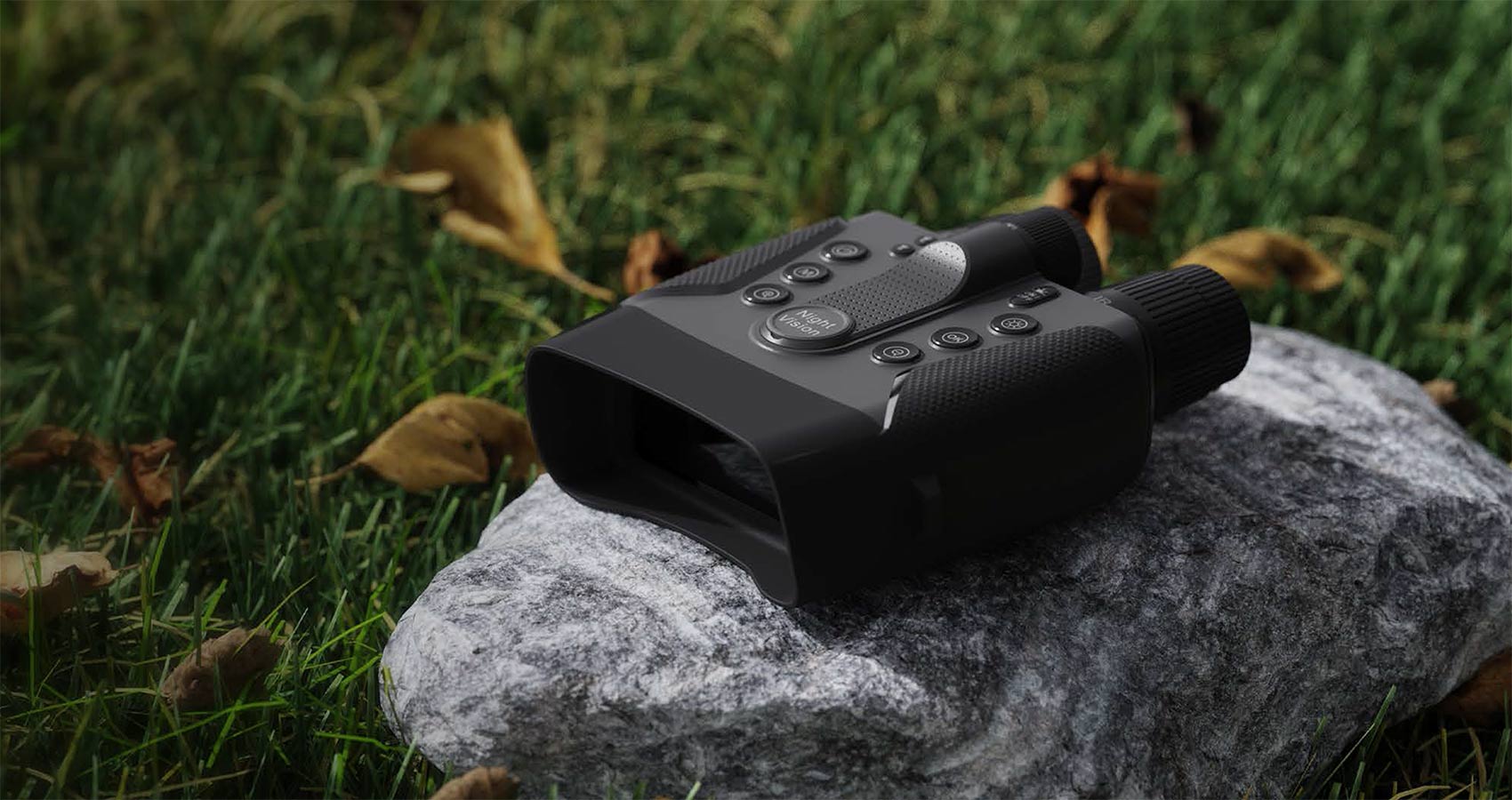
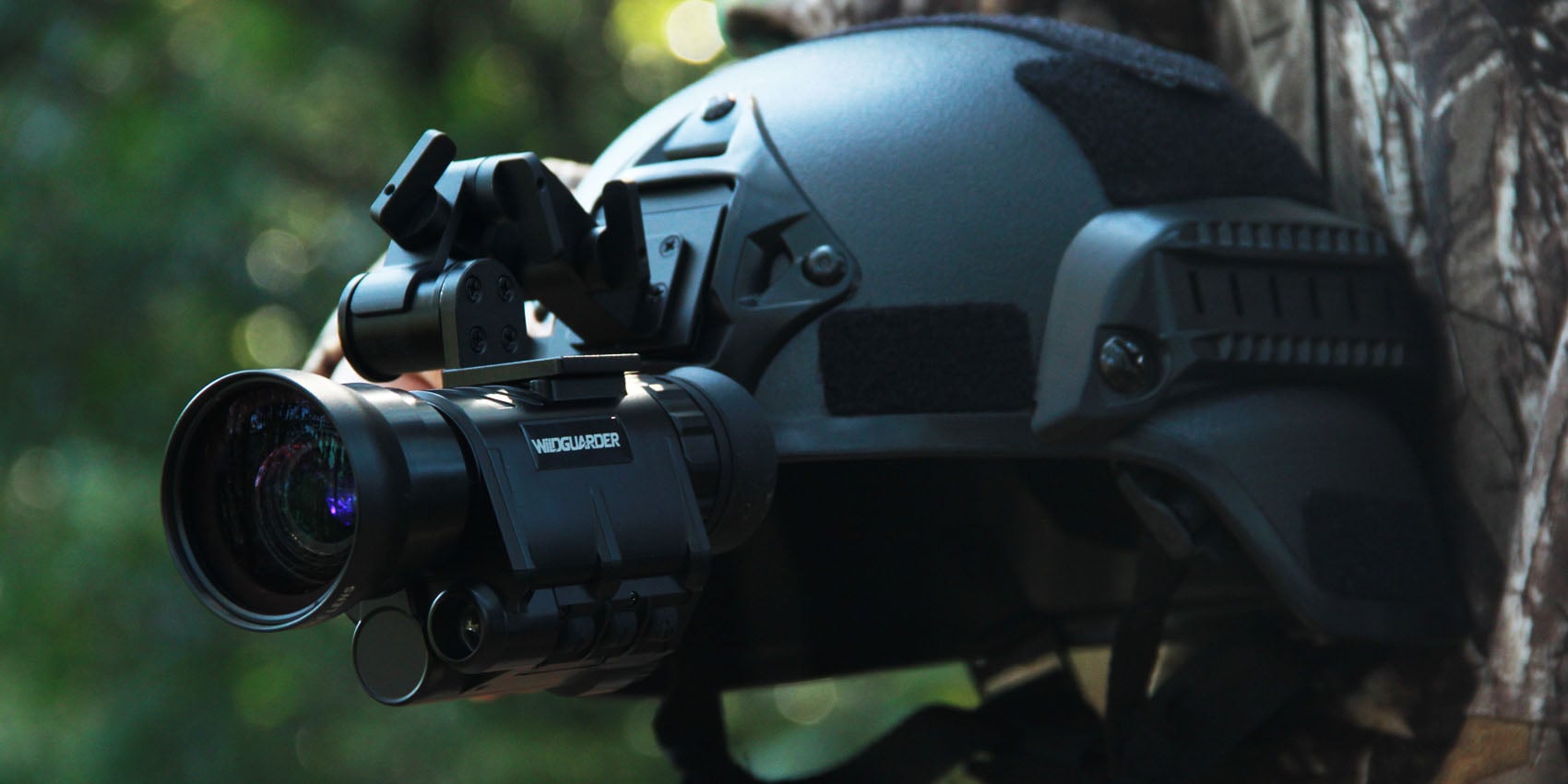
The WildGuarder WG9500 and WG9600 are examples to investigate within the brand’s range. Use their current pages to identify the exact model and viewing design, then ask for documentation relevant to your route. Do not transfer a weather specification, battery claim, or accessory compatibility statement from one model to the other.
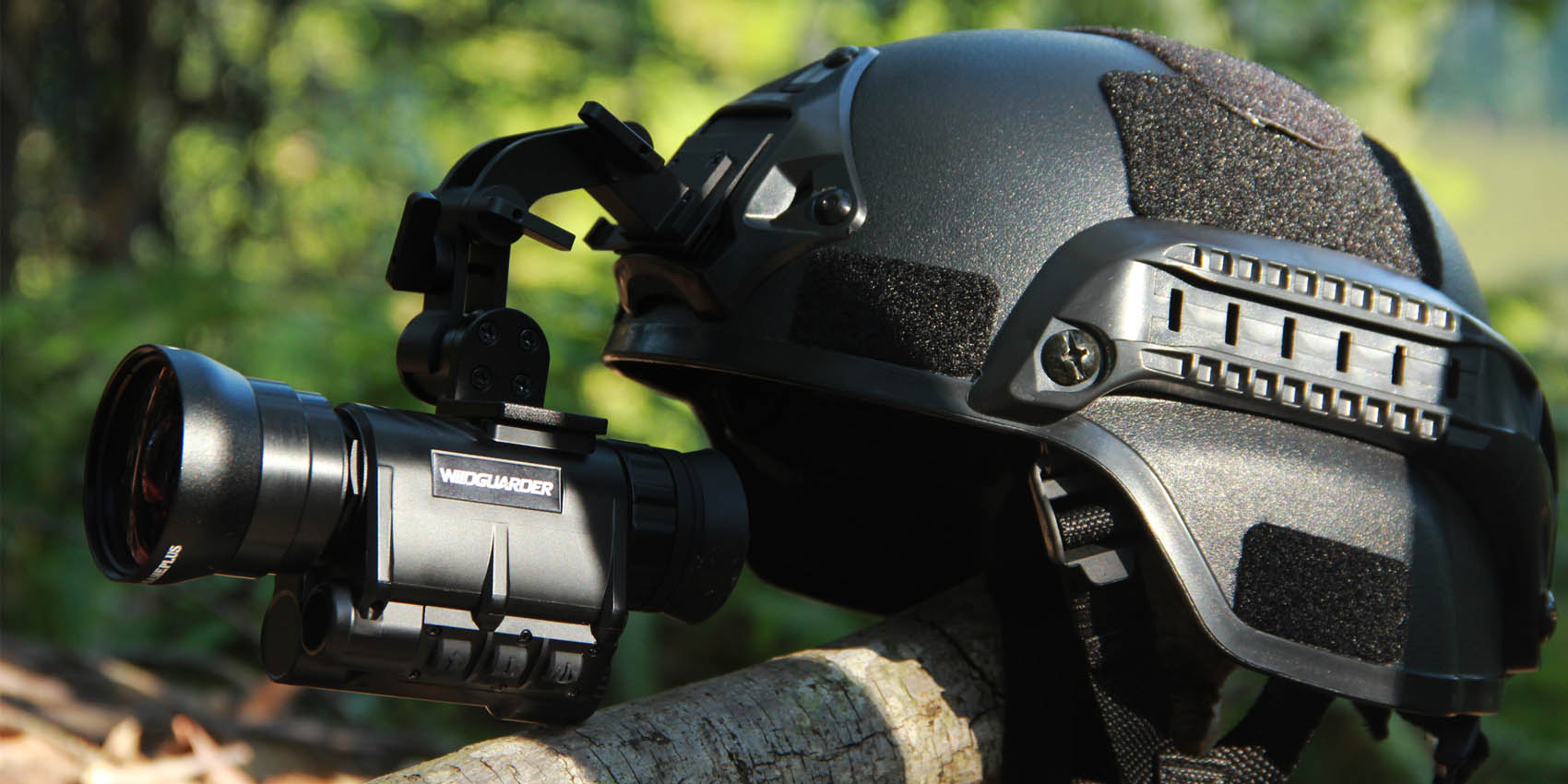
WildGuarder’s catalog spans night vision binoculars, night vision goggles, range finders, trail cameras, thermal imagers, and solar panel accessories. That range can support different observation tasks, but each device has a distinct role. A trail camera records activity when you are absent; handheld binoculars let you inspect the scene when you choose to look.
Before ordering, send WildGuarder product support a concise description of the property and intended use. State the observation distances, whether you will record, where the unit will be stored, and the likely exposure. Specific questions produce more useful answers than asking which model is universally best.
Read the current return conditions and request written warranty details for the selected model. Ask what information is required for a claim and whether batteries or accessories have separate terms. Include any necessary protective case, compatible storage card, or charging equipment when comparing the complete purchase cost.
Use an Acceptance Check After Delivery
First confirm the model, included items, and manual. Practice the controls indoors, then inspect known landmarks from your chosen positions. Evaluate the task under ordinary conditions before deliberately seeking more difficult scenes. Preserve original packaging and follow the seller’s conditions for evaluation.
During the first week, note whether the controls remain intuitive, the charge routine works, and the device returns to storage ready for the next person. These small operational details determine whether the binoculars become useful equipment or remain in a cupboard. Keep questions about a suspected fault separate from limitations already described in the manual.
FAQ
Can night vision binoculars clearly identify predators during predator observation?
Sometimes, if the image contains enough reliable detail. Distance, posture, vegetation, and illumination can make identification uncertain. Record the uncertainty and use the farm’s normal response procedure rather than deciding from eye shine or a vague silhouette alone.
What warranty should I expect on night vision binoculars?
Look for clear written terms covering the exact model, claim procedure, and exclusions. Do not assume a general store banner resolves every question about batteries, water exposure, or accessories. Confirm anything material to your intended use before ordering.
Which features are worth paying more for in digital night vision binoculars for property monitoring?
Pay attention to controllable illumination, straightforward focusing, documented weather protection, dependable power, and usable support. Recording may be valuable when you need a reviewable observation. Features deserve extra cost when they solve a specific problem on your route.
How do I choose digital night vision binoculars for long-range observation?
Define the detail you need at the farthest checkpoint and request original footage under comparable conditions. Compare lens behavior, illumination, handling, and support together. A maximum advertised distance alone cannot establish whether you can interpret a particular subject.
Are budget digital night vision binoculars good enough for long-range observation?
They may suit detecting activity at a known boundary, but detailed recognition can be more demanding. Test a representative scene and decide whether the remaining uncertainty is acceptable for the task. Avoid assuming digital zoom supplies missing optical information.
Can I use a regular binocular case for digital night vision binoculars?
Yes, if the case supports the device securely, protects its controls and lenses, and accommodates the shape without pressure. Confirm the fit with the strap and accessories you carry. A case does not increase the binocular’s own water-protection rating.
Do I need premium digital night vision binoculars for nighttime nature observation?
Not necessarily. Frequent comfortable use at modest distances can matter more than premium features. Choose around actual viewing conditions, control quality, and ownership needs. Spend more only where the improvement is relevant and supported by evidence.
What matters most when comparing digital night vision binoculars for nighttime nature observation?
Usable detail, comfortable viewing, simple focus, and a routine that avoids disturbing wildlife are central. Consider how long each session lasts and where charging happens. A balanced device that is consistently ready often serves better than one selected by a single specification.
Conclusion
For farm monitoring, the best purchase fits a repeatable route, a documented exposure limit, and an ordinary charging routine. Use the checklist to compare the night binoculars in the WILDGUARDER Official Store. Choose the model that helps you answer your property’s everyday observation questions with the least uncertainty.
Related Reading
- How Long Night Vision Binos for Cabin Security?
- Why Digital Night Vision Binoculars Recording Drains Battery: What Outdoor Users Should Know
- Infrared Night Binoculars Compared: A Practical Side-by-Side Guide
- Night Vision Binocular IR Range Explained: How to Read Real-World Limits
- Understanding Night Sight Binoculars: What to Look For Before You Buy
- Binoculars and Night Vision Value Guide: Features That Matter Most
- Binoculars with Night Vision Explained: What It Means and How to Choose
- What to Look for in Night Sight Binoculars: What Outdoor Users Should Know
- How to Choose Cell Trail Camera for Backyard Wildlife Monitoring
- Binocular Night Vision Device Compared: Which Option Fits Your Use Case?